Why your upstairs stays hot in Texas summers

Step 1 of 3: Equipment

Heat rises, and in a Texas summer it has nowhere good to go. Your attic sits above the second floor, and by mid-afternoon it can run far hotter than the air outside, baking down through the ceiling into the rooms below. The upstairs return duct is also usually shorter or pulls less air than the one downstairs, so the system doesn't pull as much warm air out of the upper floor to begin with. Add rooms with more windows catching afternoon sun, and the imbalance grows. A single thermostat downstairs reads a cooler temperature and tells the system it's done, while upstairs keeps climbing. If the gap is new or getting worse, it often points to something specific: a duct losing airflow, insulation that's shifted, or a system no longer moving enough air to keep up with the heat load upstairs.

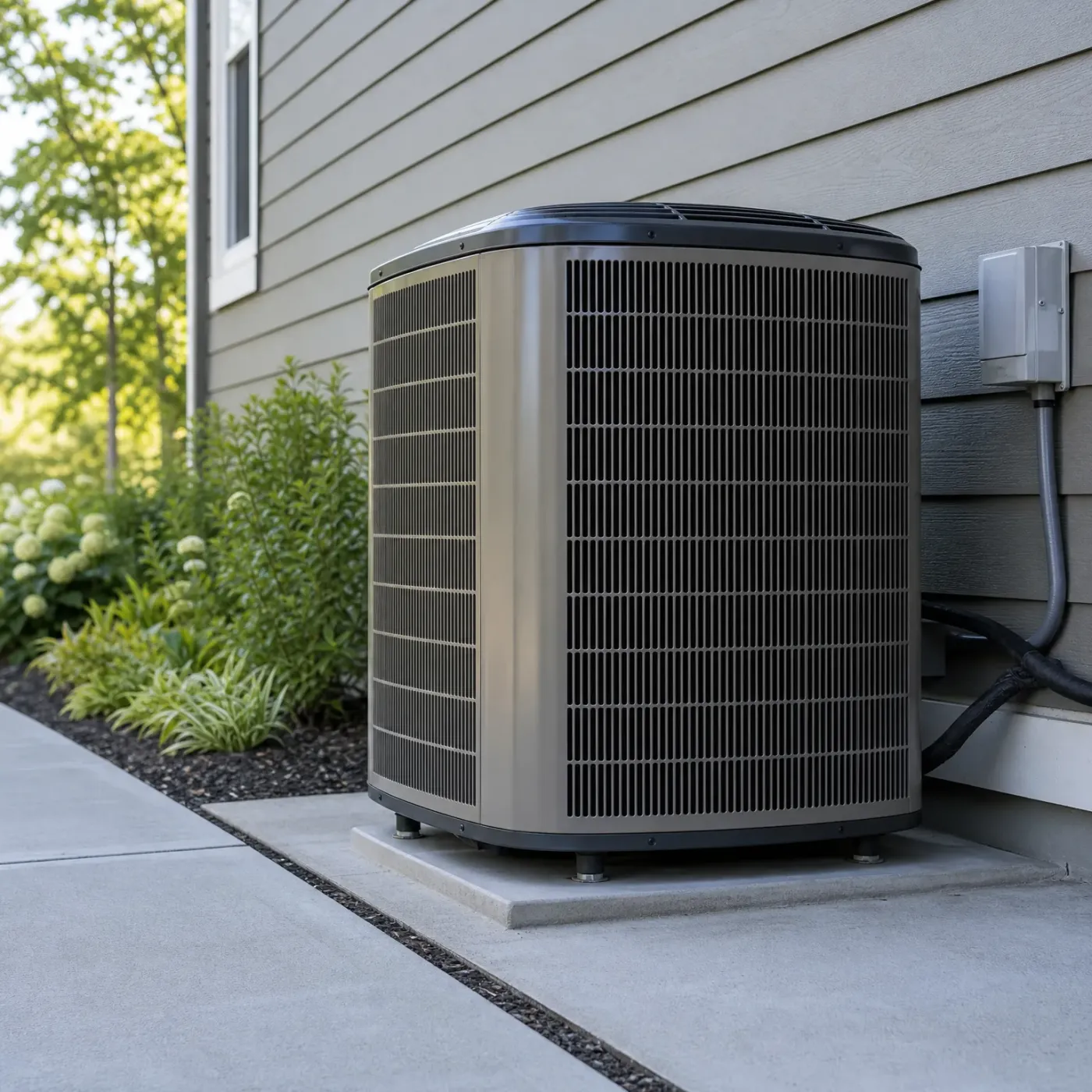
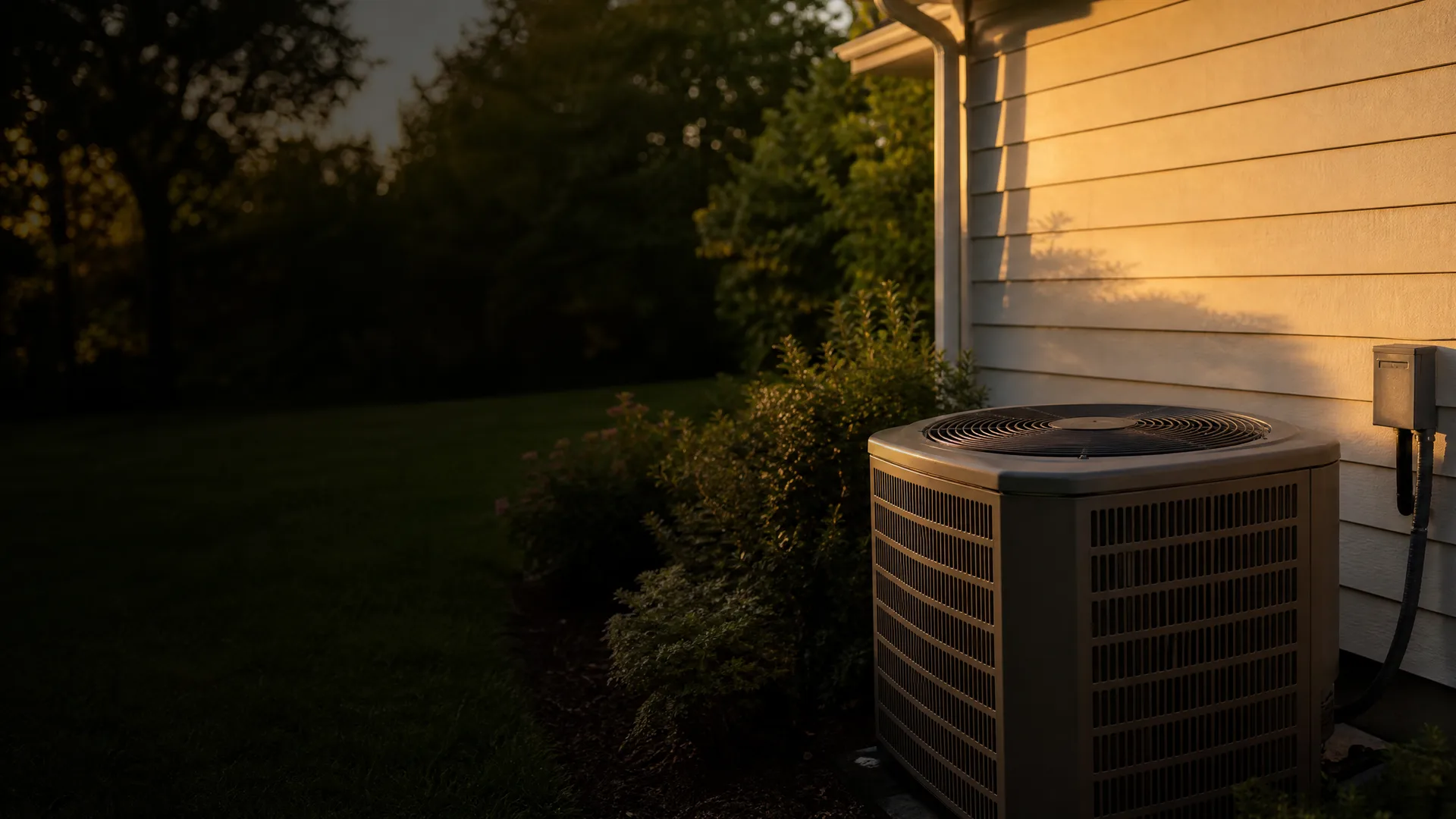
An outdoor air conditioner condenser unit beside a light-colored lap-sided house with an electrical disconnect box on the wall, surrounded by shrubs and lawn in low evening light.

You're out back around seven, grass still warm underfoot, and the light's gone that flat gold color it gets before dark. The condenser by the fence has gone quiet. You notice it because the hum you don't usually think about is missing, and the fan blades behind the grille are sitt­ing still. Upstairs, you already know what you'll find. The vents will be moving air that isn't cold, the thermostat ticking past the number you set it to. You stand there a second, hand not quite touching the metal, the unit just sitting in the heat doing nothing.

One System or Two Thermostats

One AC for Two Floors

  • One thermostat downstairs reads the temperature where it sits, so the system shuts off once the living room hits 72 even if upstairs is still 80.
  • Cool air drops and warm air rises, so the air coming out of the vents upstairs is fighting the same heat that's trying to climb the stairwell all day.
  • The ducts feeding the second floor usually run through the attic, and that air can pick up heat before it ever reaches the room.
  • Return air upstairs often pulls from a single grille near the stairs, so the system is sampling the coolest part of that floor, not the hottest bedroom.
  • A system sized for the whole house splits its airflow between two floors, and the upstairs branch is often the smaller, weaker run.

A Second System or Zoning

  • A dedicated upstairs unit or a zoned system lets the second floor run on its own thermostat, calling for cooling on its own schedule.
  • Zoning adds dampers inside the ductwork that a contractor sets to send more air upstairs when that zone calls for it and less when it doesn't.
  • A second system sized for just the upstairs square footage can push harder against attic heat gain than a shared system splitting its output two ways.
  • Two thermostats means the room where someone's sitting decides when the system runs there, instead of one reading for the whole house.
  • This is a project a licensed contractor has to design around your attic, ductwork and electrical panel, not something added in an afternoon.
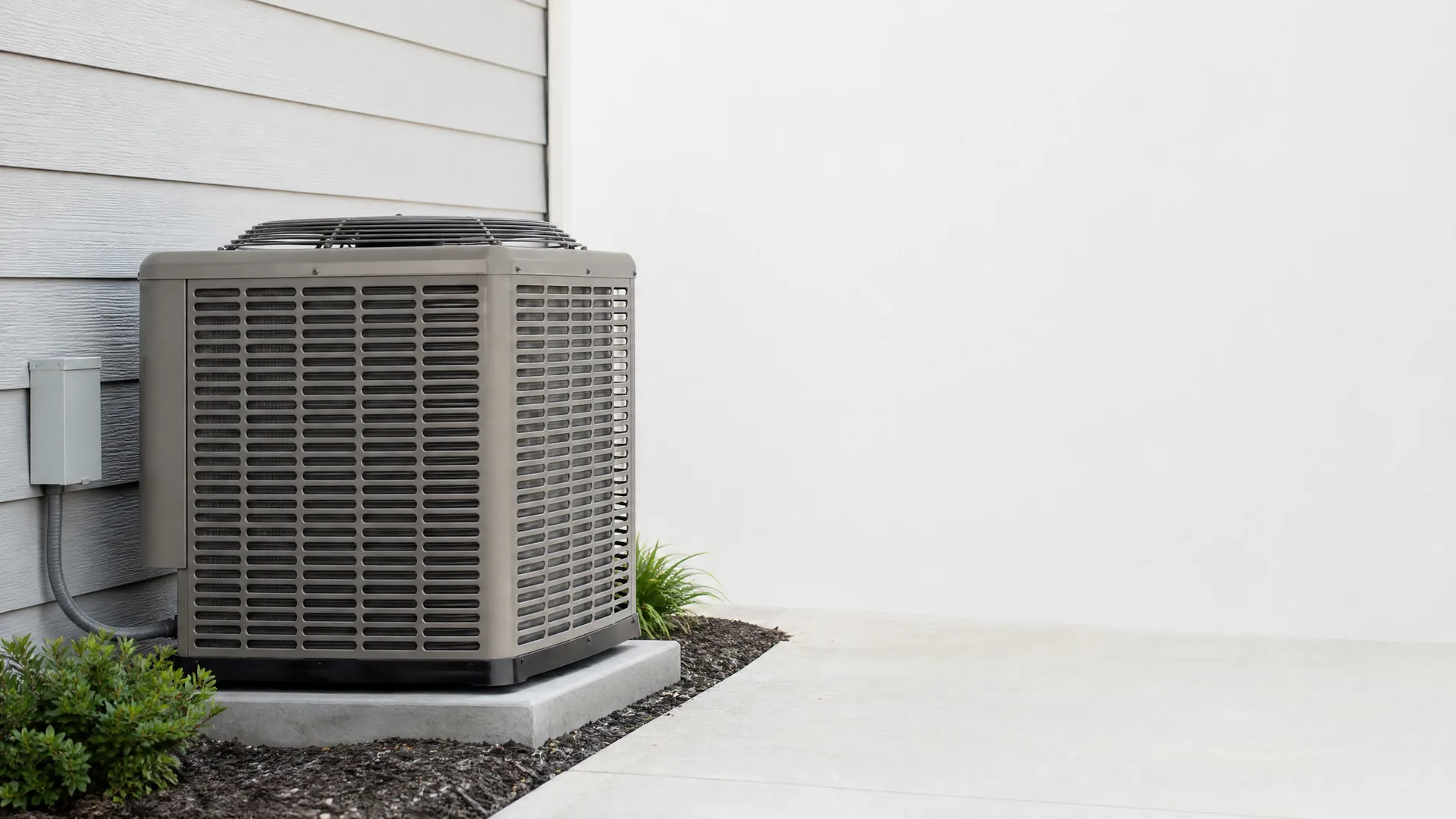
An outdoor air conditioner condenser unit on a concrete pad beside a house with light horizontal siding, with a small electrical disconnect box on the wall, mulch and shrubs at left, and a plain white wall and concrete slab at right.

One Duct Run, Longer Trip

The supply duct feeding the upstairs rooms runs farther from the air handler than the one feeding downstairs, usually up through the attic itself. Air loses some of its cooling push over that distance, especially where the duct passes through attic heat before it ever reaches a register. By the time it reaches a bedroom at the far end of the hall, it's not as cold as what left the unit.

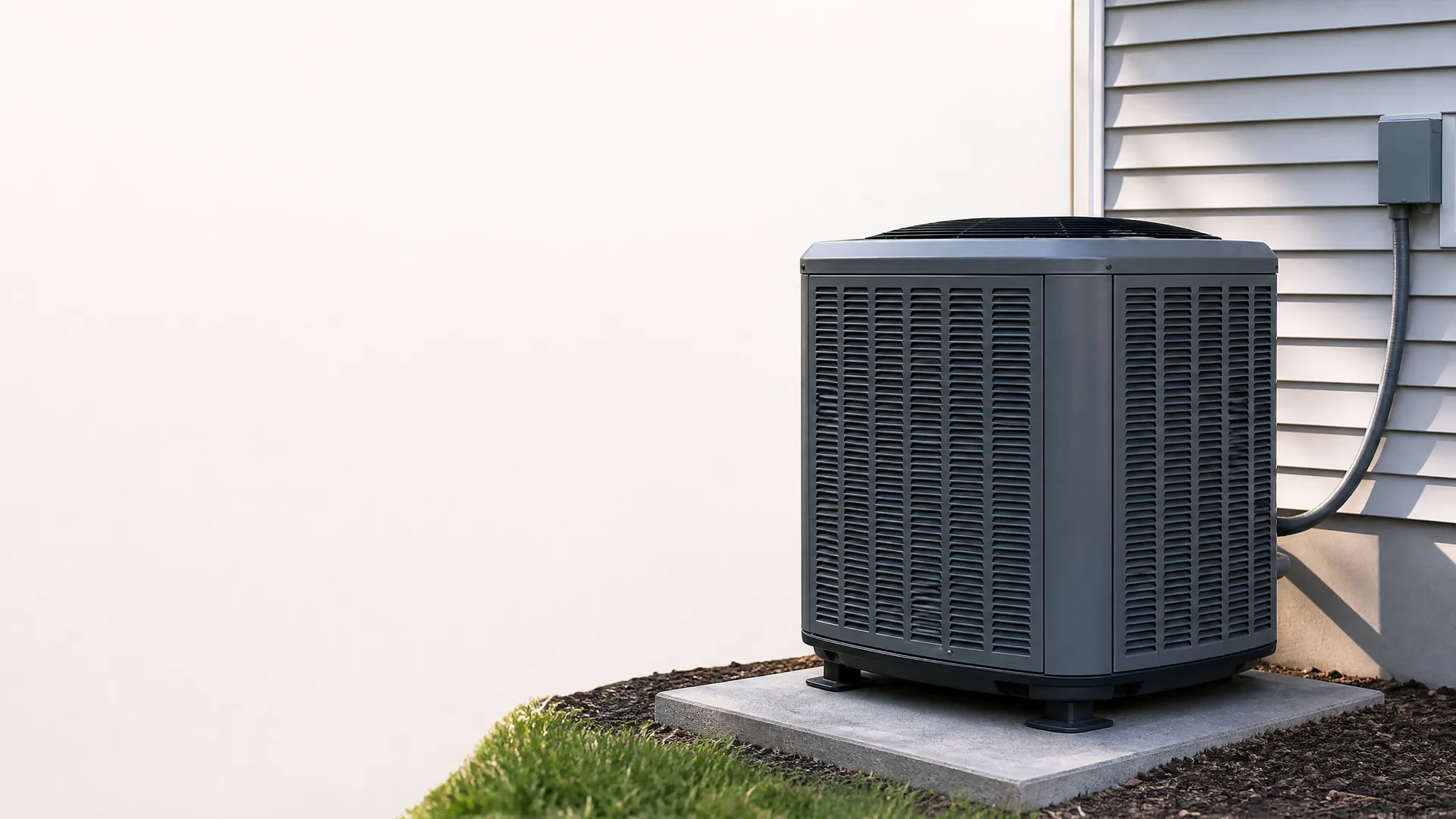
A dark gray outdoor air conditioner condenser unit on a concrete pad beside a house with horizontal siding and a plain light wall, with mulch and grass in the foreground and a conduit and electrical box on the wall.

Return Air Rarely Matches Supply

Most two-story homes have fewer return vents upstairs than supply vents, sometimes just one for the whole floor. That return has to pull hot air out of every upstairs room through a single opening, while cold air is pushed in through several. The imbalance means the system is always fighting to remove more air than it can take back in, and upstairs settles into a slower, weaker exchange than the floor below.

Power costs 15.40 cents per kilowatt-hour statewide

At 15.40 cents per kilowatt-hour, every extra degree your upstairs unit has to fight costs you more than it should. A system working overtime against attic heat runs longer to hit the same temperature, and that extra runtime shows up on your bill before anyone looks at the duct run or the thermostat.

EIA-861 2025 statewide residential average

Let It Run Hot All Summer

You keep the upstairs door shut, point a fan at the bed, and figure that's just how the second floor is. The unit still turns on every afternoon and runs long into the evening because it's fighting attic heat the whole time. Nothing about that wears it out faster on its own, but a system that's already struggling to keep up has less room to cover for a failing capacitor or a dirty coil when one actually shows up. You won't know there's a problem until the day it can't keep up at all.


Get The Imbalance Looked At

A duct run that's too long, a return that's choked off, or a system sized for the downstairs alone are all things a technician who works on these setups can actually find. Some of it gets fixed outright. Some of it gets evened out so the upstairs isn't always losing the fight to the attic above it. Either way, you stop guessing and start knowing what's actually working against you. A local contractor who sees this same layout all summer knows where to look first.

A smiling man in a navy long-sleeve shirt sits at a wooden table in a kitchen and dining area, with a ceramic mug, a potted plant, and a sliding glass door behind him.
A smiling bearded man in a green henley shirt stands at a kitchen island with a gray mug, looking off to the side, with a dining area and shelves blurred behind him.
A smiling bearded man in a navy sweater sits at a white kitchen island with a ceramic mug, with open shelves, potted plants and a range hood behind him.
A smiling man in a dark olive long-sleeve shirt sits in a kitchen beside a counter with a dark mug, with a dining table, sideboard and hallway visible in the blurred background.
An outdoor air conditioning condenser unit on a concrete pad beside a house with horizontal lap siding, with a gray electrical disconnect box and conduit on the wall and green shrubs and trees to the left.

Finding a pro stops being your job

The pro who reaches out is licensed in Texas.

Get the air conditioner repair search off your mind today.

Get a licensed local pro

There's no charge for the request.

A man in a blue T-shirt sits on a light gray sofa, laughing while looking at an open laptop in the foreground, with a framed picture, lamp and potted plant behind him.
A bearded man in a blue and brown plaid flannel shirt stands indoors looking out a window at snow-covered trees, with a ceramic mug on the windowsill.

A Closed Vent Upstairs

Closing the vents in rooms you don't use seems like it should help, sending more cool air to the rooms that need it. It does the opposite. Your system is built to push a certain amount of air through the ductwork, and closing vents raises the pressure in that ductwork instead of rerouting the air somewhere useful. The blower works harder against that pressure, and the upstairs rooms that are still open get less airflow than before, not more. Over time that extra strain on the blower is the kind of thing that leads to a service call anyway. Leave the vents open and let the airflow balance the way the system was designed to run.

A Return Vent That's Blocked

A dresser pushed against the upstairs return vent, or a door kept shut most of the day, cuts off the one path warm air has to get back to the system. The return is how the air handler pulls hot air out of the room to cool it again. Block that path and the room's air just sits there, getting hotter while the thermostat downstairs has no idea anything is wrong. This one is easy to check yourself. Walk the upstairs rooms, find the return grille in the floor or wall, and make sure nothing is sitting in front of it or closed off around it.

An outdoor air conditioning condenser unit on a concrete pad beside a house with horizontal lap siding, with an electrical disconnect box and conduit on the wall, mulch and a green shrub to the right, and a concrete walkway in the foreground.
Before you get your air conditioner repair
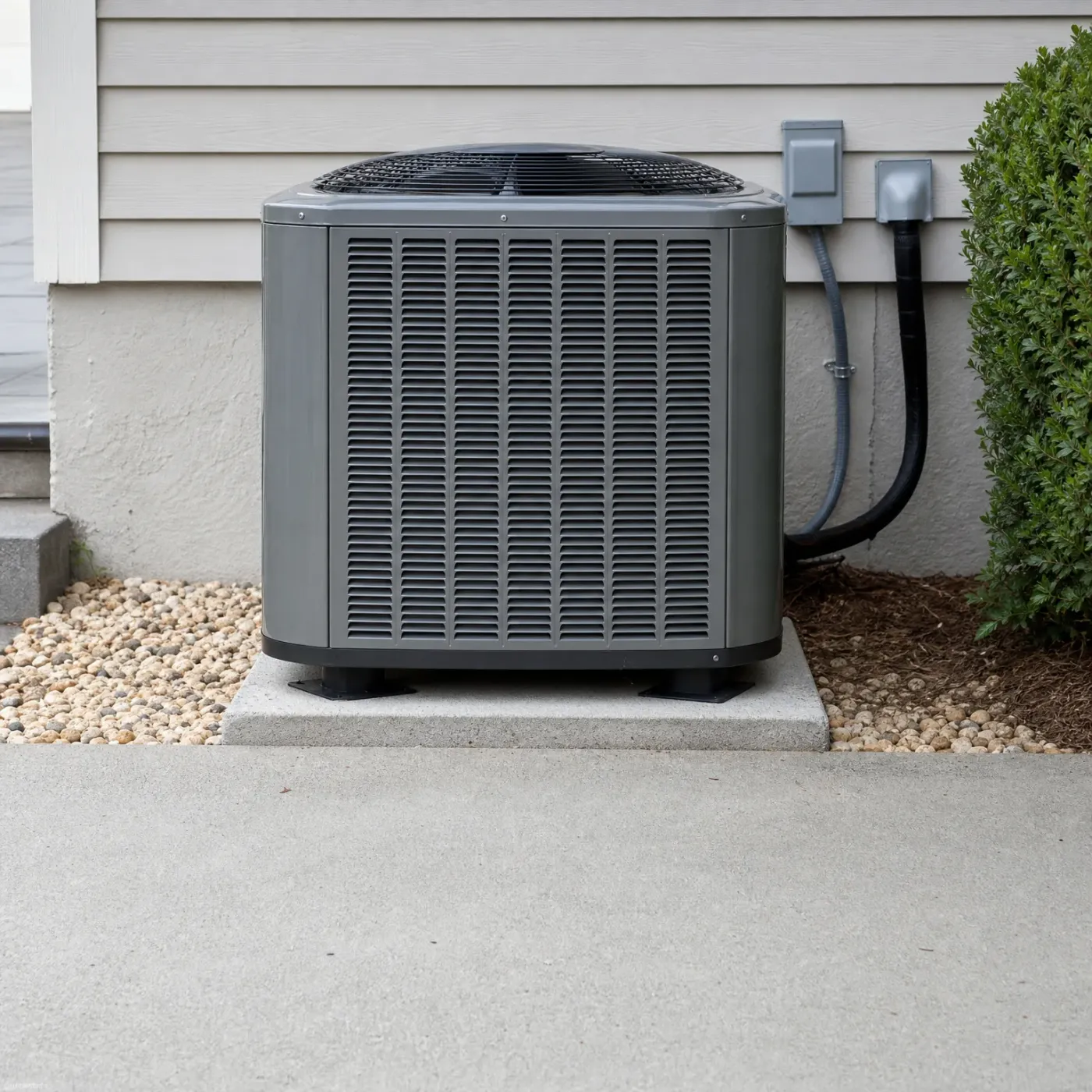
A gray outdoor air conditioner condenser unit on a concrete pad beside a house with horizontal siding and a stucco foundation, with a disconnect box and conduit on the wall, decorative gravel, mulch, and a shrub nearby.
After you get your air conditioner repair
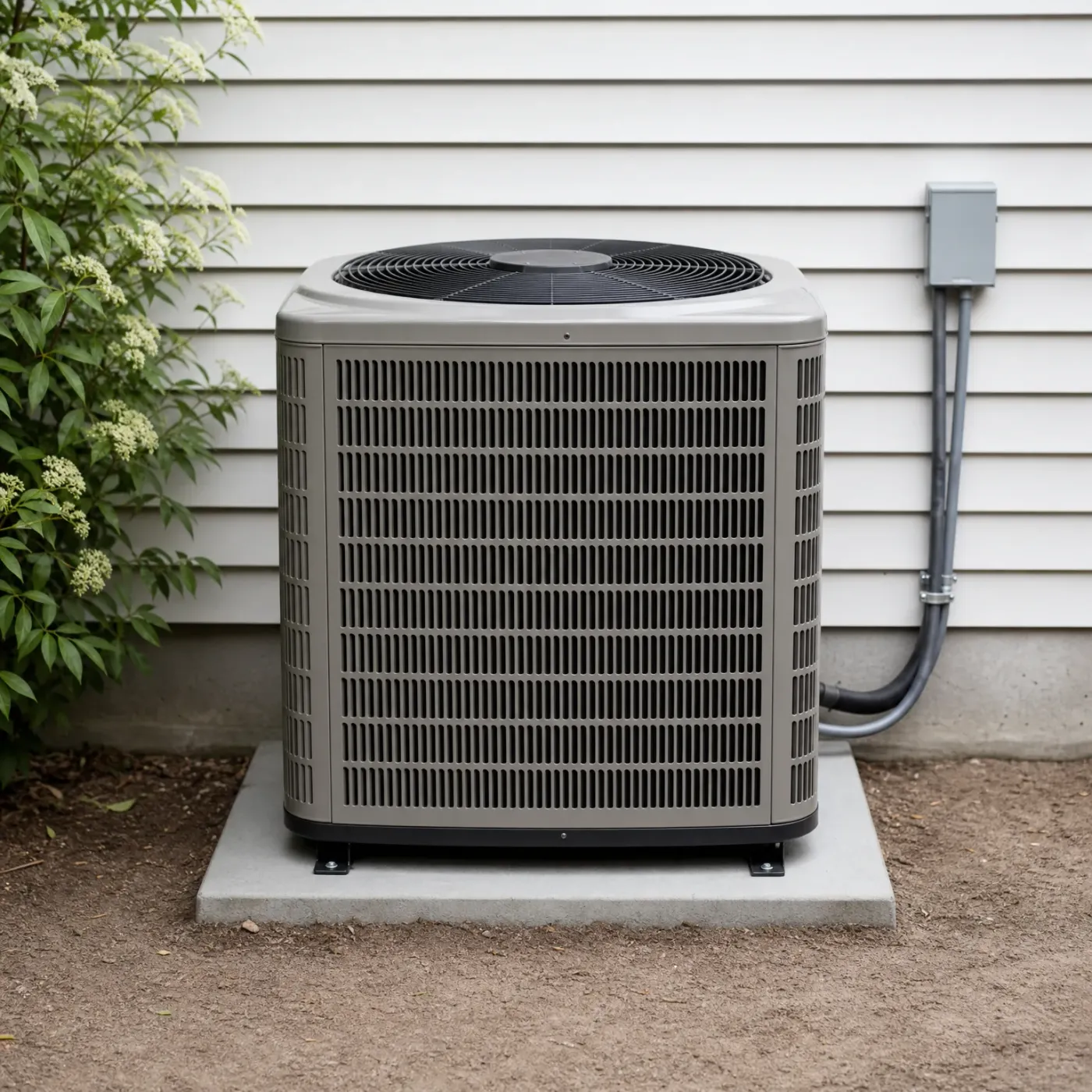
A gray outdoor air conditioner condenser unit on a concrete pad beside a house with horizontal lap siding, with a flowering shrub at left and a disconnect box with conduit on the wall at right.

Running the Way It Should

The condenser outside sits clean, humming along on its pad. It's keeping up with the attic heat pressing down on the upstairs rooms, cycling on and off at a normal clip instead of grinding through the afternoon. Catching a problem before it spreads keeps it running like this.

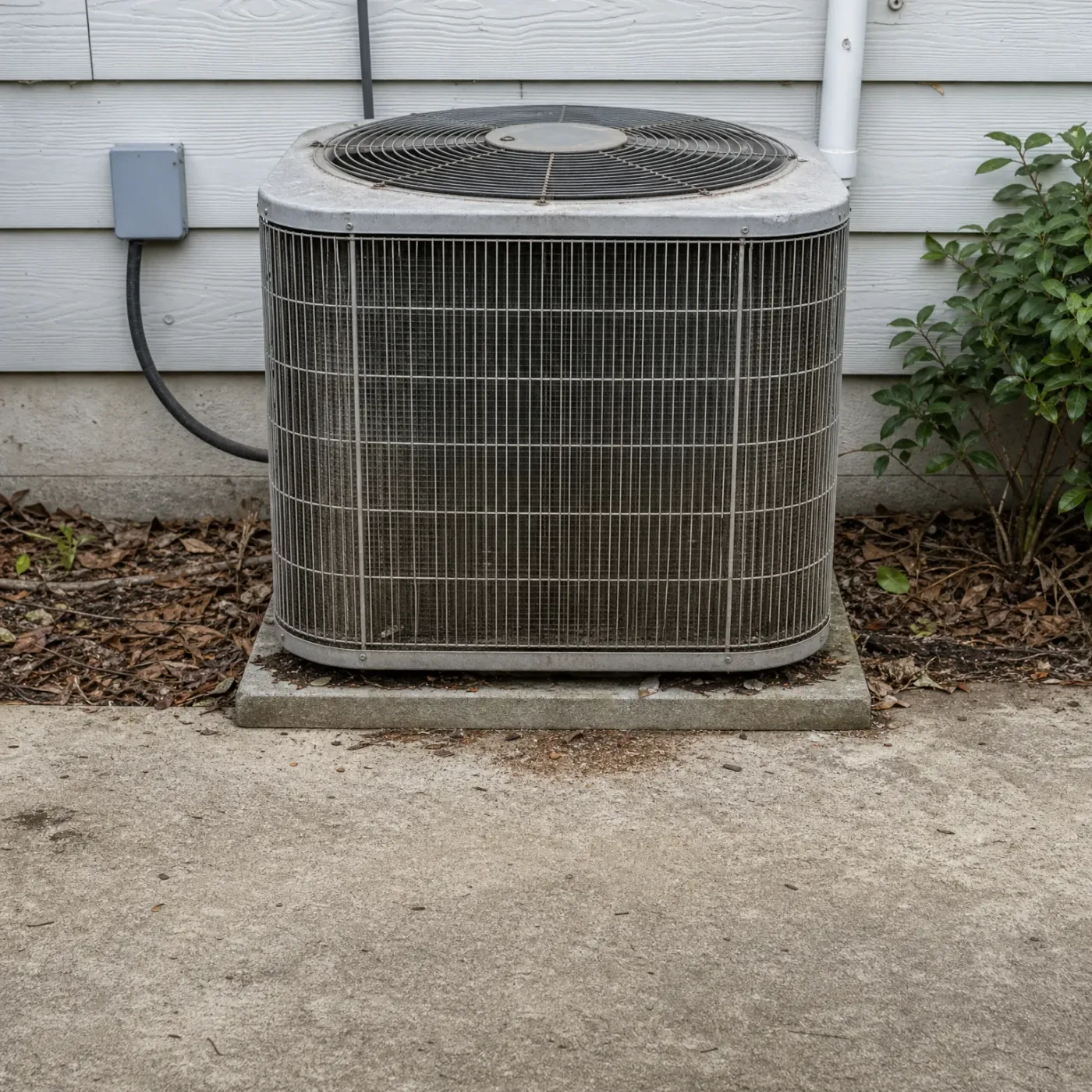
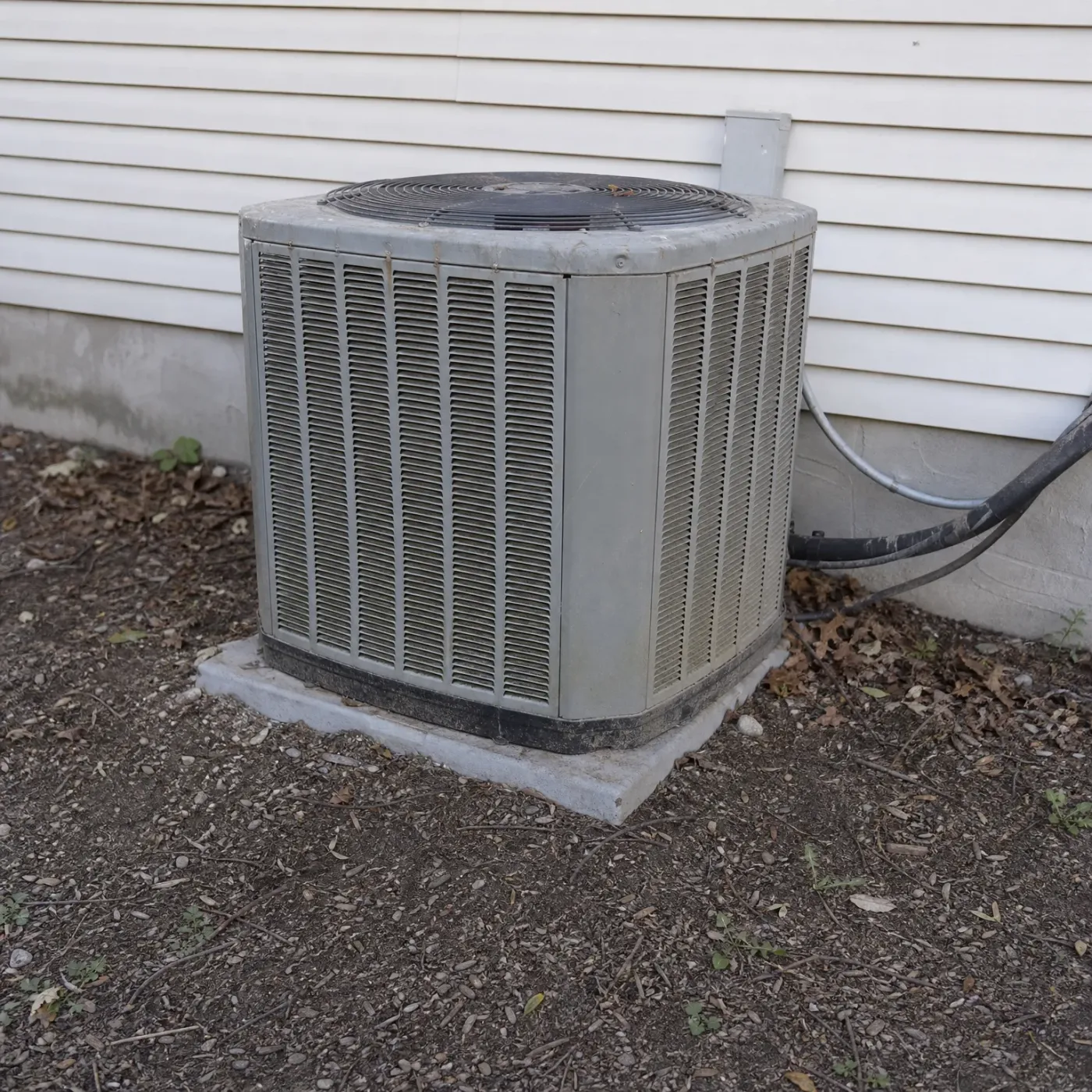
An outdoor air conditioner condenser unit on a concrete pad beside a house with light horizontal vinyl siding, surrounded by bare dirt, gravel and dry leaves, with refrigerant lines and conduit running along the wall.

Losing the Fight

Leaves and dirt pile up around the base, refrigerant lines running bare along the wall. A unit in this shape struggles to keep up even on a mild day, and against an attic running well past 100 degrees upstairs falls further behind by the hour. A repair now stops it from failing outright.

What's going on in your upstairs bedroom right now

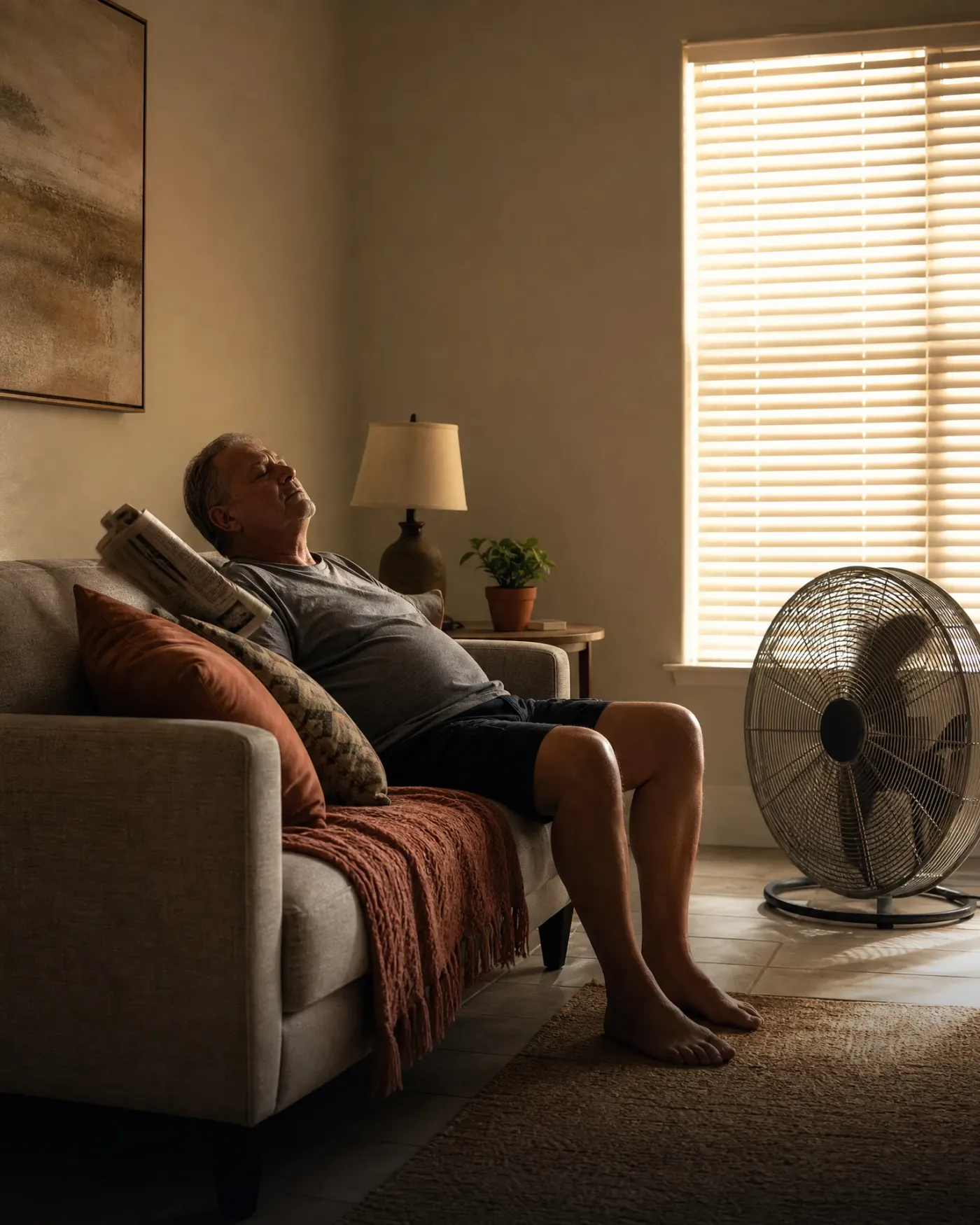
You walk up the stairs and feel it before you reach the top. The air gets heavier, warmer, like you've stepped into a different house. The thermostat downstairs might say 72, but the room where you sleep is closer to 80. You might notice the vent blowing air that feels barely cool, or a faint musty smell if moisture's been sitting in that room longer than it should. Maybe you've started closing the door and running a box fan at night just to make it tolerable. Left alone, a system that's constantly straining against attic heat wears down faster than one that isn't, and the parts fighting hardest, the compressor, the fan motor, are the ones that end up failing first.

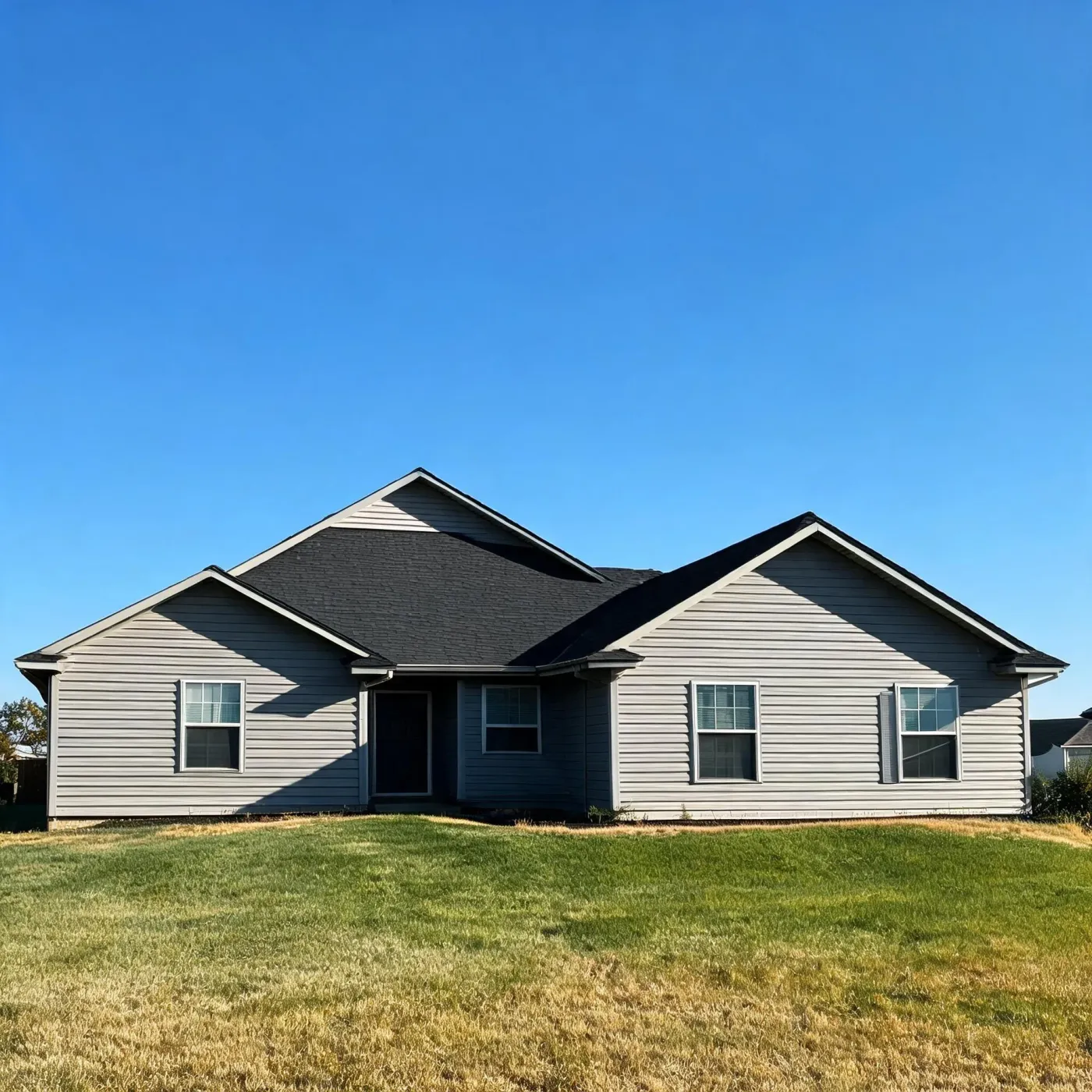
A single-story house with gray vinyl siding, dark shingled gable roofs, and white-trimmed windows, set behind a partly dry green lawn under a clear blue sky.

A National Weather Service dew point reading of 68°F is what that air feels like going into your system. Upstairs, where the heat already presses down from the attic, that moisture makes your air conditioner work two jobs at once, pulling out the wet along with the warm, instead of just cooling the room. A unit that's lost some charge or has a coil going dirty can still chase the thermostat on a dry day. It falls behind fast on a muggy one, and the upstairs rooms are the first to show it, staying sticky and warm well after the downstairs feels fine.

NASA POWER T2MDEW county cells weighted by homes

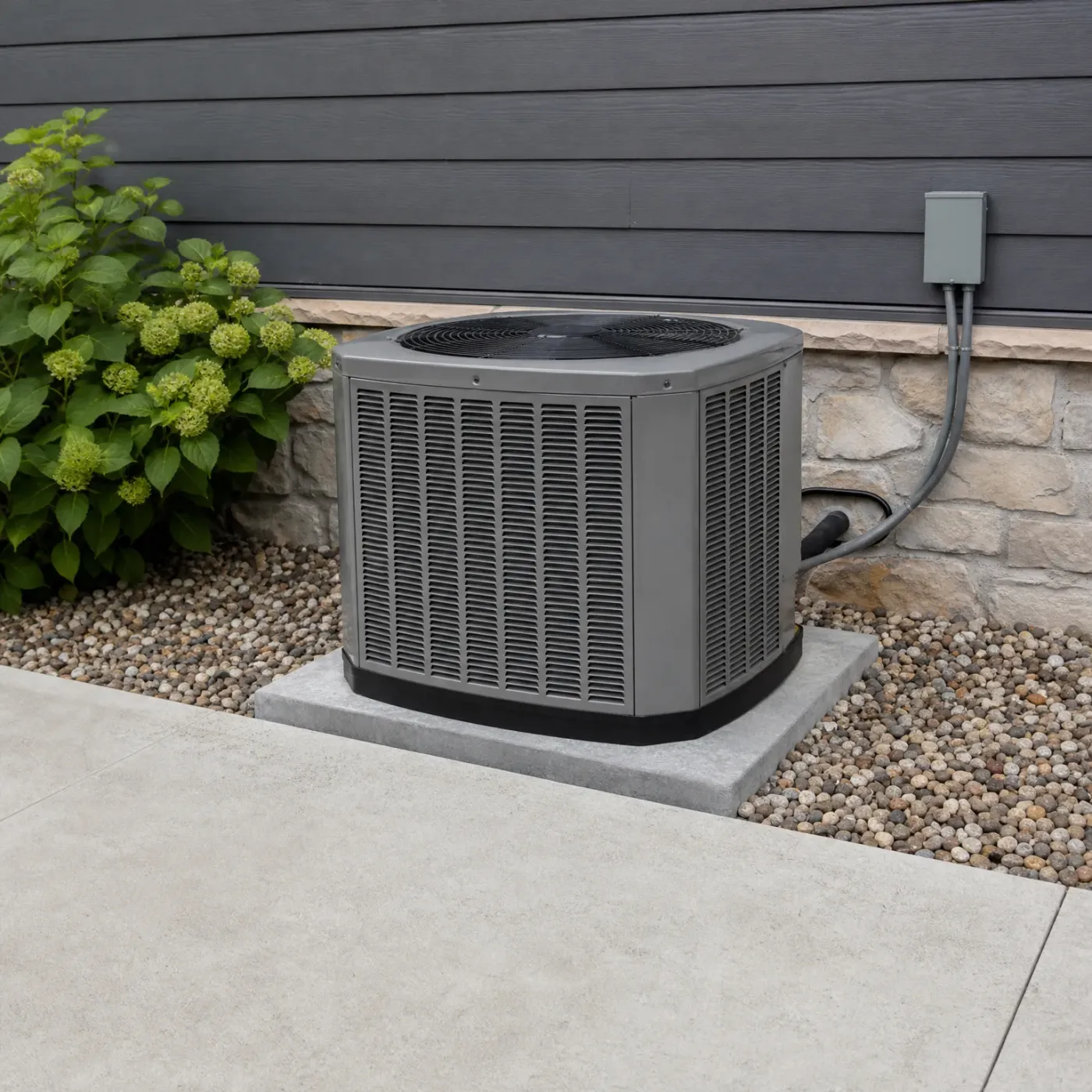
A gray outdoor air conditioner condenser unit on a concrete pad beside a house with dark horizontal siding and a stone base, surrounded by gravel, with a flowering shrub at left and a concrete walkway in front.
A condenser cycling normally keeps pace with the attic heat bearing down on the rooms above it, even on the hottest afternoon.
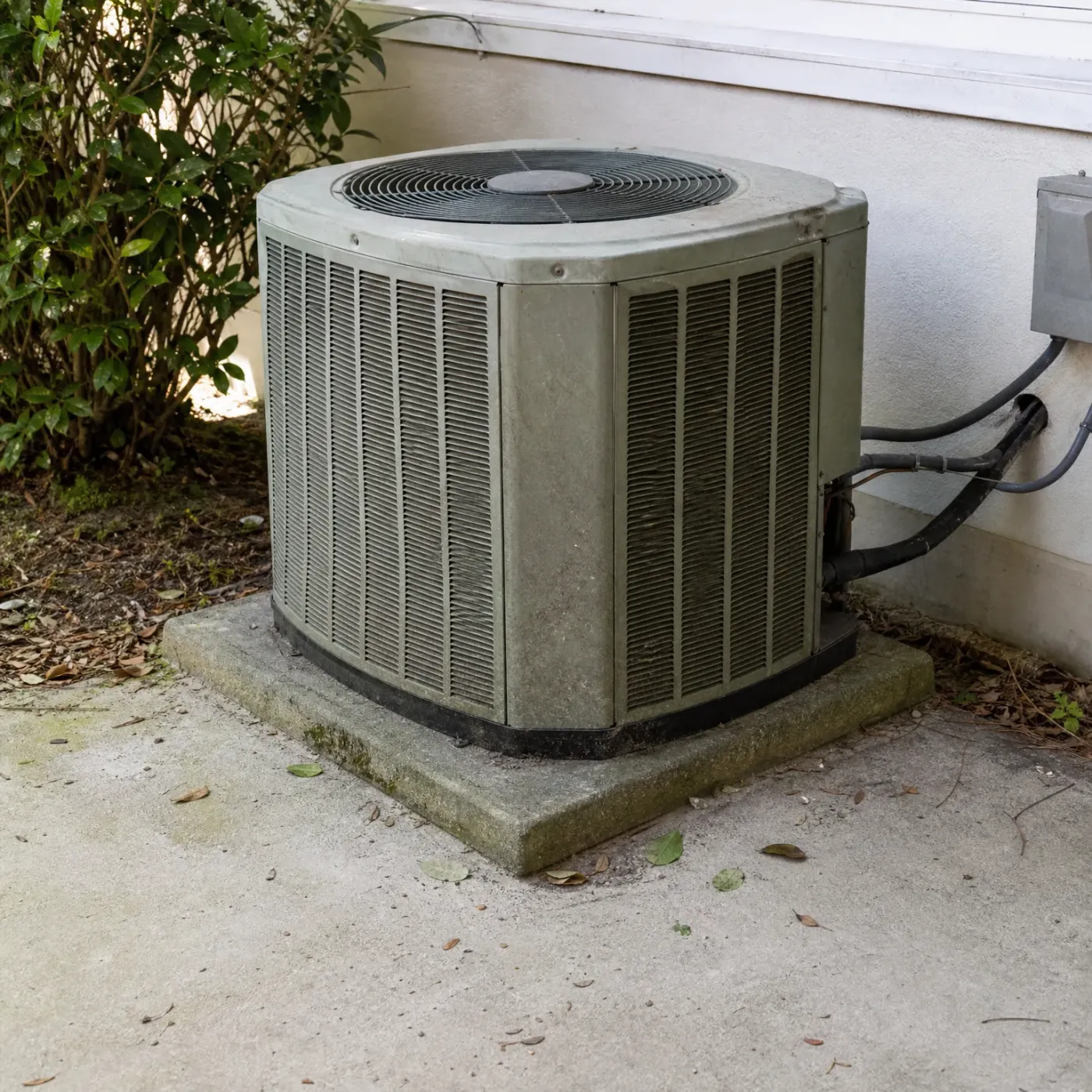
An outdoor air conditioner condenser unit sits on a concrete pad beside a stucco wall, with refrigerant lines and conduit running to the wall and a shrub to the left.
Grime packed into the fins and a casing left to weather mean the unit works harder and still loses ground upstairs.

Why Upstairs Stays Hot

  • Upstairs stays hot because attic heat presses down while the one thermostat downstairs never feels it.
  • A longer duct run and a weaker return upstairs mean that floor was always going to lag behind.
  • None of that gets fixed by a fan in the doorway or a vent closed down the hall.
  • A local contractor who works on Texas attics every summer knows which of these causes shows up first in a system like yours.
  • One contractor takes the call, so you're not fielding quotes from three companies while your upstairs bakes.
  • Sending the request is the last thing on your list; finding someone who can look at it is theirs now.

Attic heat pressing down, a duct run that's longer than the one downstairs, a return that can't pull its share, and a thermostat that only knows what the living room feels like. That's the upstairs problem, and it was built into the house before you moved in. A fan in the doorway doesn't change any of it. Closing a vent down the hall doesn't either, and it can make the room you're trying to cool even worse off. What actually moves the needle is having someone look at the system itself, the condenser outside, the airflow through that long upstairs duct, the return that's supposed to be pulling air back in.

That's where a contractor who knows Texas attics earns their keep. Someone who's been up in these attics every summer for years has seen this exact pattern enough times to know where to look first, whether it's the duct run, the return, or the unit itself struggling to keep pace. You're not starting from zero explaining what's wrong. You're handing it to someone who's probably already fixed this same problem on a house two streets over.

Send the request and one local contractor gets it, not three or four companies competing for your afternoon. No juggling calls, no repeating yourself to a different voice each time. You've done the part that was yours to do, which was noticing the problem and asking for help. Finding the right person for it is on them now. Your upstairs will still be hot tonight, but the work of getting someone out to look at it isn't sitting on your list anymore.

A dark wood cabinet with a paneled door and a ceramic pot of green foliage on top stands in a beige-walled room with white baseboard, a window at left, hardwood floor, and a patterned area rug.
A dark wood glass-front cabinet holding folded towels, woven baskets and a ceramic vase stands in a bathroom corner beside a window, with a potted fern and stacked towels on top and a freestanding tub partly visible at left.
A woven basket holding a green cushion and a cream fringed knit throw sits on a wood floor in a room corner beside a window and a dark wooden cabinet.
Corner of a room with a dark wood cabinet topped by a round vase, a linen curtain at a window, white baseboard, oak plank flooring with sunlight patches, and a woven jute rug in the foreground.
A dark wood sideboard against a pale wall holds a shallow stone bowl and a round ceramic vase with leafy branches, with sunlight from a curtained window falling across the wall, wood floor and woven rug.

Let someone else find the pro

Only one pro gets your request, so you hear from one company.

I'm done searching

You only hire the pro if you want to.