One request and it's handed off
Why your AC unit is buzzing in Texas
A buzzing AC is never nothing. It can be a failing capacitor, a loose part in the outdoor unit, or a contactor starting to go, and in Texas heat that unit doesn't get a day off to show you more. This page gets into what the sound usually means and what to check. Send the form and let a local contractor take the finding-out off your hands.
Hand it overA buzzing sound from your AC usually comes from the outdoor unit, and it almost always points to something electrical. A capacitor that's wearing out will buzz as it struggles to start the compressor or fan motor. A contactor with pitted contacts buzzes as it tries to close the circuit. Sometimes it's simpler: a fan blade hitting a loose panel, or a wire vibrated loose against the cabinet. In Texas, the outdoor unit runs for hours at a stretch through the summer months, and that long runtime is hard on parts that are already weak. A capacitor that buzzes today can leave the compressor not starting at all within days. The compressor is the expensive part to replace, so a buzzing sound now is worth having looked at before it turns into a system that won't cool your house at all.
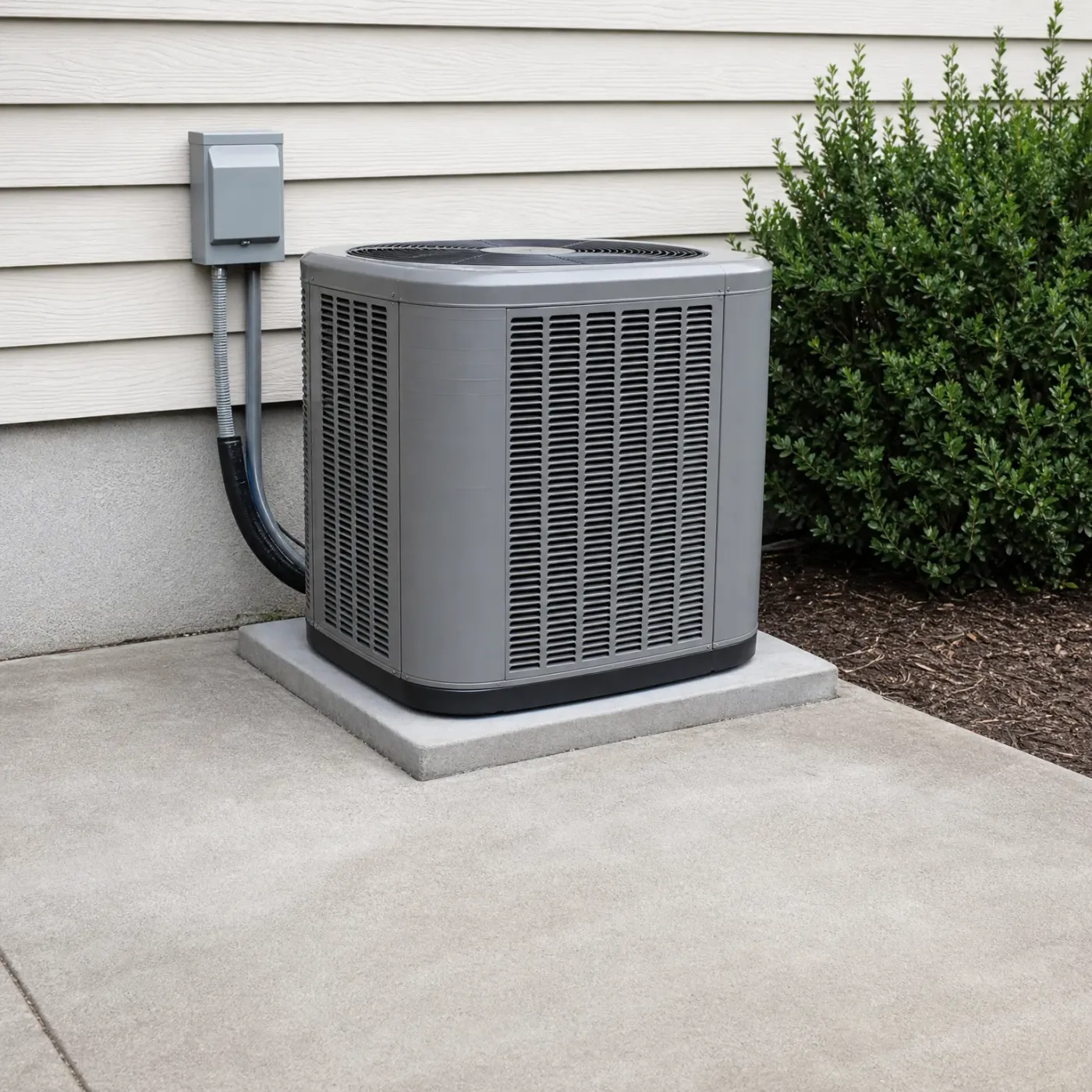
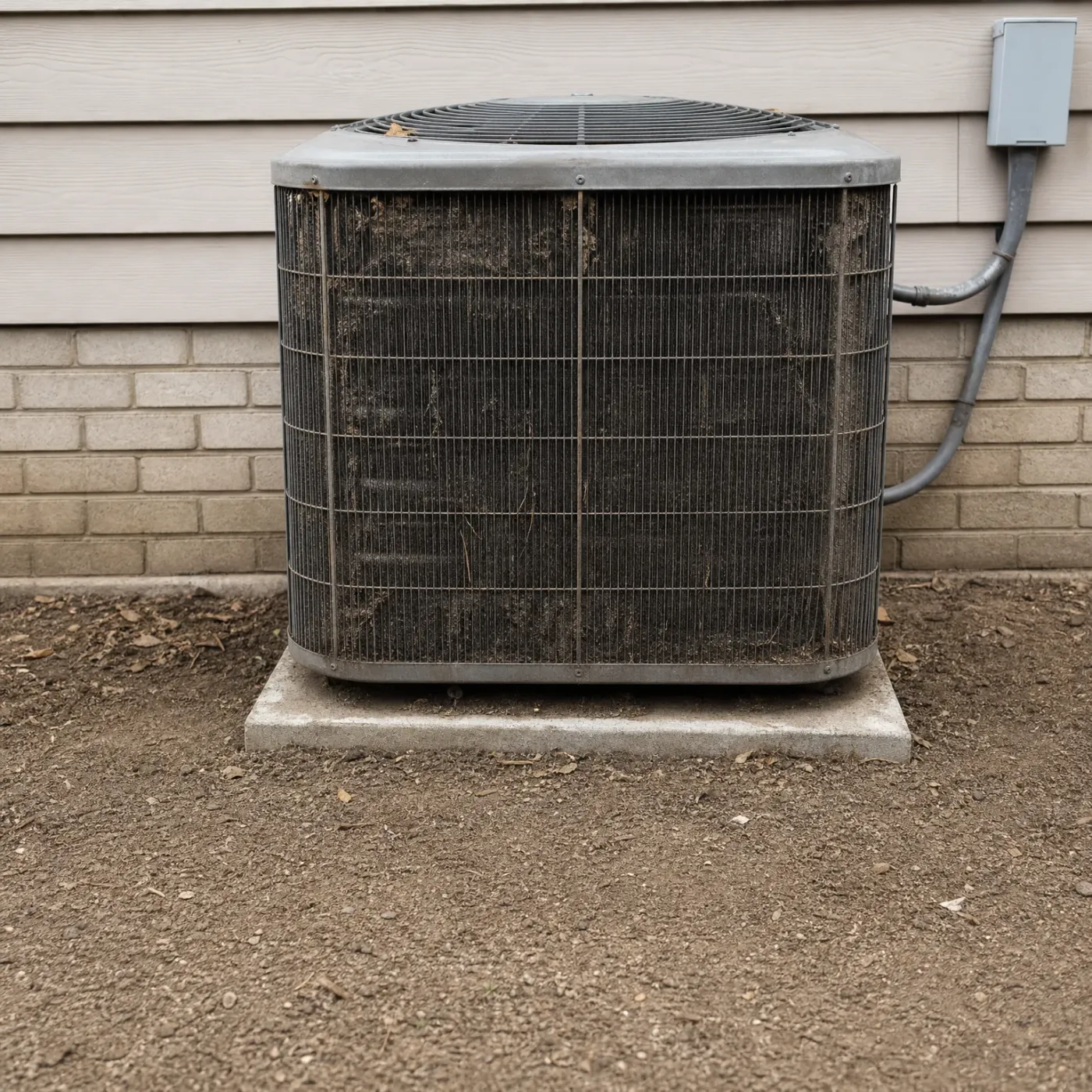
Most of what you hear traces back to the outdoor unit and the parts that start it up. The capacitor gives the compressor and fan motor the push they need to get going, and as it wears down, that push gets weaker. The compressor still tries to start, pulling harder than it should, and that strain is what reaches your ears as a buzz. The contactor works alongside it, closing a circuit every time the thermostat calls for cooling. Once the contacts inside get pitted, they don't close clean anymore, and you get a buzz each time the system cycles on. Not every buzz is electrical, though. Sheet metal panels on the cabinet can work loose over time and vibrate against the fan motor housing, sounding just like a bad part even when nothing electrical is wrong. A fan blade that has slipped on its shaft will wobble and clip the housing as it spins, and that sound rises and falls with the fan speed. Refrigerant lines running against the cabinet or a wall nearby can rattle the same way every time the compressor kicks on and off.
How the buzz actually starts
- A buzzing capacitor usually sits inside the outdoor unit, wired to both the compressor and the condenser fan motor.
- When a capacitor weakens, the compressor pulls harder to start, and that extra draw shows up as a hum or buzz before the unit even gets going.
- A contactor is the switch that closes every time your thermostat calls for cooling, and pitted contacts buzz each time that switch closes.
- Loose sheet metal panels on the outdoor cabinet vibrate against the fan motor's housing and can sound exactly like an electrical buzz.
- A fan blade that has come loose on its motor shaft will wobble and strike the inside of the housing, producing a buzz that rises and falls with the fan speed.
- Refrigerant lines that run against the cabinet or a nearby wall can rattle and buzz as the compressor cycles on and off.




Done looking for an air conditioner pro

The pro who reaches out is licensed in Texas.
No charge to send it. You decide if you hire them.
Running the unit hides the damage
A buzzing noise doesn't stop your AC from cooling, so it's easy to let it ride. But a capacitor that's buzzing because it's weak will keep drawing more current to do the same job, and that extra draw is what wears out a compressor early. A contactor with pitted contacts gets worse each time it cycles, not better. In Texas, the unit might run close to around the clock on the hottest days, which means more cycles and less time for a failing part to rest between them. The sound is the early warning. What happens next is the part failing outright, usually on the day you need the unit most.
A local tech knows what to listen for
Someone who works on AC units in Texas all summer has heard this particular buzz before, on a unit like yours, in heat like this. They know a capacitor buzz sounds different from a contactor buzz, and both sound different from a loose panel or a fan blade catching on housing. That's diagnosis before the cover even comes off. Once your request goes out, it goes to one licensed contractor local to you, not a handful of companies competing for the job. You explain the problem once, to someone who already has a good idea what they're going to find before they get there.
Power costs 15.40 cents per kilowatt-hour statewide
At 15.40 cents per kilowatt-hour, a buzzing AC costs you more than the noise. A weak capacitor or dirty coil makes the compressor and fan motor pull harder to do the same job, and that extra draw shows up on your bill before it shows up as a breakdown.
EIA-861 2025 statewide residential average
What That Buzz Is Telling You
- A buzz almost always traces back to one electrical part: a weak capacitor, a pitted contactor, or a motor working too hard.
- The outdoor unit is where the sound starts, and it runs through every muggy Texas afternoon without a break.
- A dirty coil makes the fan motor and contactor strain, which turns into the buzz you hear from inside.
- The noise itself doesn't stop the AC from cooling, so it's easy to ignore until the part it's wearing out fails.
- A capacitor or contactor left to buzz keeps drawing more current, and that shows up on your bill before the unit quits.
- A licensed local contractor who works on these systems every summer can tell which part is buzzing before it stops running.
A buzzing AC in Texas almost never means nothing. Most of the time it's a capacitor losing strength, a contactor with pitted contacts, or a motor straining to do a job it used to do quietly. The sound starts in the outdoor unit, and that unit works through long muggy stretches without a break, which is exactly when a weak part gives out. A dirty coil adds to the strain, forcing the fan motor and contactor to work harder than they should, and that extra effort is what turns into the buzz you notice from inside the house. None of this stops the AC from cooling right away, which is why it's easy to let the noise ride for a while. But a part that's buzzing is a part drawing more current than it needs to, and that extra draw costs you on the power bill before it ever costs you the whole system. Left alone, the same part that's buzzing today is usually the one that fails outright later, often on the hottest afternoon it's working the hardest. A licensed contractor who works on these systems every summer can listen to that sound and usually knows which part is behind it before taking the panel off. Getting it looked at while it's still just a noise is a smaller job than getting it looked at after it stops.


Air Conditioner Repair
It's off your list after this
Only one pro gets your request, so you hear from one company.