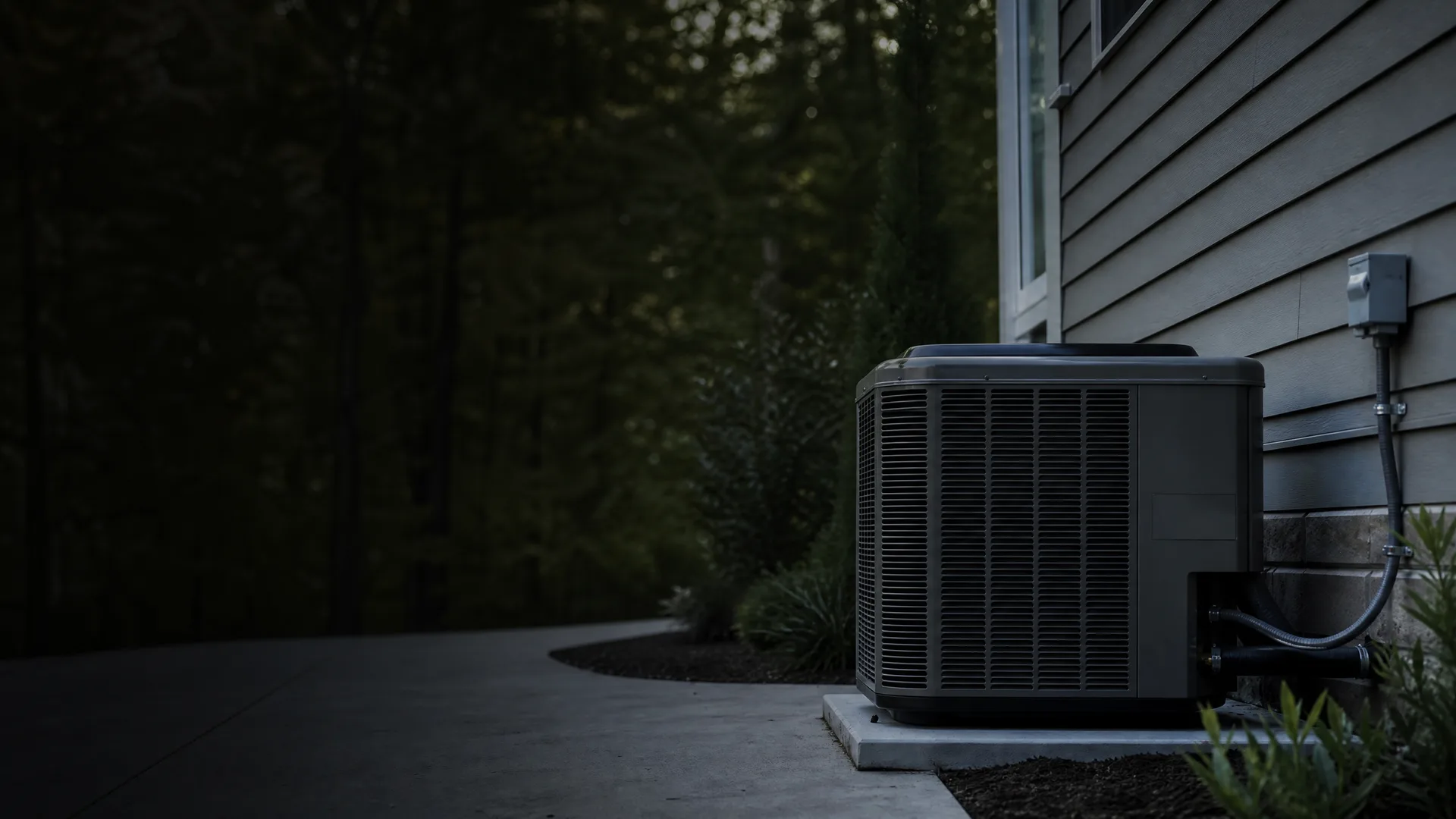
Tell a local repair pro what your air conditioner is doing.
Your outdoor unit is dead quiet when it should be running, and inside the house the air is getting warmer by the hour. In a Texas summer that's not something you want to wait out.
A fan that won't turn can mean a few different things. Sometimes it's the capacitor that gives the motor its push to start. Sometimes the motor itself has failed. Sometimes a bad contactor is keeping power from reaching the outdoor unit at all, so the fan never gets the signal to move. Each of those is a different repair, and guessing at it from the driveway usually costs more than just having someone look.
What matters right now is getting a contractor out to look at the unit itself, not working through a list of possible parts on your own. Someone licensed to work on it can open the panel, test the motor and the capacitor, and tell you in person what actually stopped.
That's what this page connects you to. Fill out the form and you'll be matched with a contractor who handles AC repair in your area, someone who already knows what a dead fan in a Texas summer means and how fast that matters. They'll reach out to you directly once you're matched.
You don't have to figure out which part failed before you ask for help. That's the job of the person coming to look at it, not yours. Once you send the form, the work of finding someone is off your plate. You can stop checking the breaker and poking at the unit and let someone who does this for a living take it from here.
The heat isn't going to let up, so the sooner the unit is looked at, the sooner the house starts cooling down again. That part is straightforward. Send the form, and let the contractor handle the rest.
Why isn't my AC outdoor fan spinning?
You go outside and the condenser unit is just sitting there, not a sound, while the compressor might be humming or the whole thing is silent. Either way the house is heating up and you want to know what's keeping that fan from turning before you decide what to do next.
A bad capacitor, a failed motor or a tripped breaker are the usual causes
Most of the time the capacitor has gone weak and can't give the motor the push it needs to start turning. You might hear a hum from the unit but see no movement, which points right at this. A seized or burned out fan motor will do the same thing, just with no restart in it no matter how many times the system cycles. Less often it's a tripped breaker or a wire that's come loose at the disconnect box outside. With the fan not moving, the outdoor unit can't release heat, so the compressor runs hotter than it should. In Texas heat that adds up fast, and a system left running this way can end up with a bigger repair on top of the one it already has.
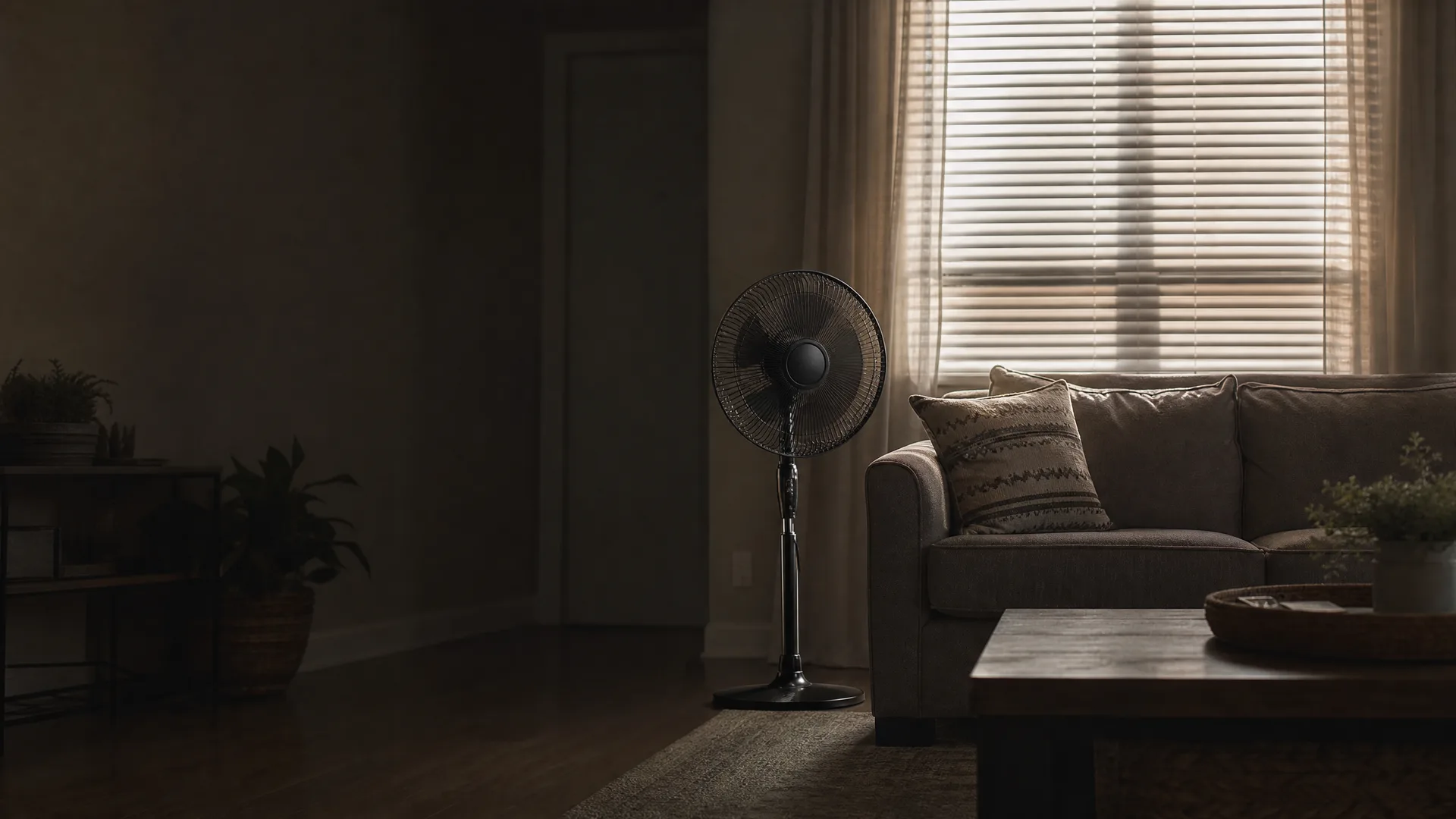
By three in the afternoon the blinds are shut against the sun and the floor fan next to the couch is doing what it can. It's July, and the house has that thick, still feel that no amount of moving air really cuts. You already walked out back once to check on the unit. Quiet. You keep thinking you'll go check again, like it might have started on its own.
The kids are parked in front of the TV, not complaining yet, but you know that won't last once the rooms upstairs really heat up. You've sent word out for someone to come look at it. For now there's nothing left to do but sit with the fan and wait for your phone to ring.
Send it once and finding someone is no longer on you.
No fee to send it, and nothing to sign.
What are you noticing right now in your house
The vents are still pushing air, but it's not cold anymore, just room temperature or close to it. The thermostat says it's running and the number keeps climbing instead of coming down. You've probably gone out back a second time to look at the unit, and it's still not turning. Some units hum or click without the fan moving, others are completely silent. Either way, the compressor inside that unit can overheat and fail if it keeps trying to run with no fan pulling air across it. That turns a fan problem into a much bigger repair, and in the meantime the house keeps climbing past the temperature you set it to.
1
Thermostat calls for cooling and sends power to the contactor.
2
The contactor closes and energizes both the compressor and the fan motor.
3
A bad capacitor or seized motor keeps the fan from starting.
4
The compressor runs alone, building heat with no air moving over the coil.
Is it the motor or something around it
Fan motor itself
The motor hums or buzzes but the blade doesn't turn, or there's no sound at all coming from the unit.
A fan motor that's seized or burnt out won't start even when the capacitor and contactor are both fine.
You might smell something faintly burnt near the outdoor unit if the motor windings have failed.
Sometimes the blade will spin if you nudge it by hand, which points to a motor that's close to failing rather than one that's already dead.
This is a straight swap for a contractor once it's confirmed, since a failed motor doesn't get repaired, it gets replaced.
Everything feeding the fan
A weak or blown capacitor won't deliver the jolt the motor needs to start spinning, even though the compressor may still run.
A stuck or failed contactor can leave the fan without power entirely while other parts of the system act like nothing's wrong.
Debris, a dead bird's nest, or a tree branch jammed in the fan blade can physically stop it from turning.
Tripped breaker or a blown low-voltage fuse can cut power to just the outdoor unit while the indoor blower keeps running.
A bad run capacitor often shows up as the compressor humming on its own while the fan sits still, which is a useful clue for whoever comes out to look at it.
Running the way it should
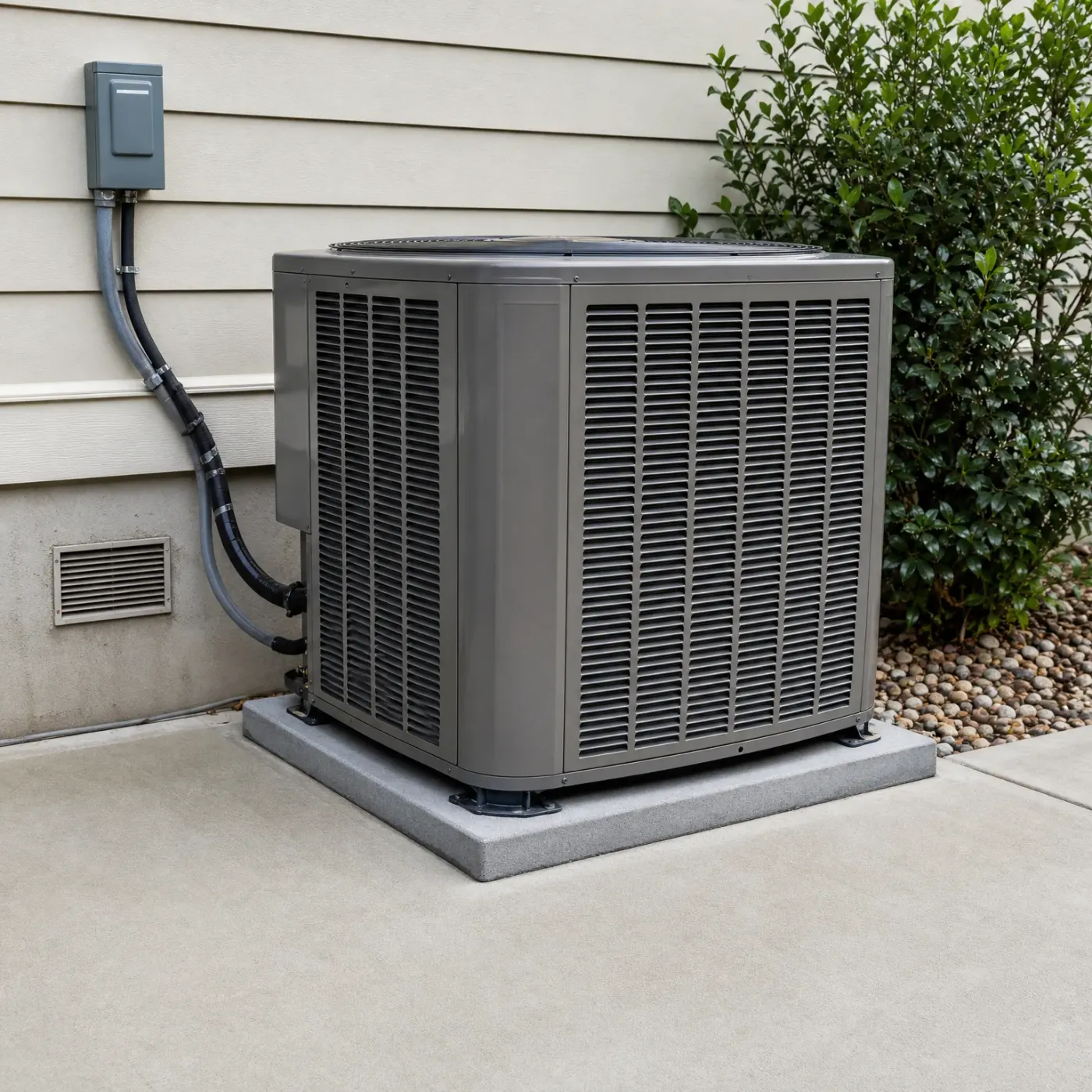
The unit outside should be moving air you can feel from a few feet away, with the fan blade a blur on top. The lines running up to the disconnect stay cold to the touch, and the pad underneath stays clean. No grinding, no clicking, just a steady hum.
Dirty and worn down
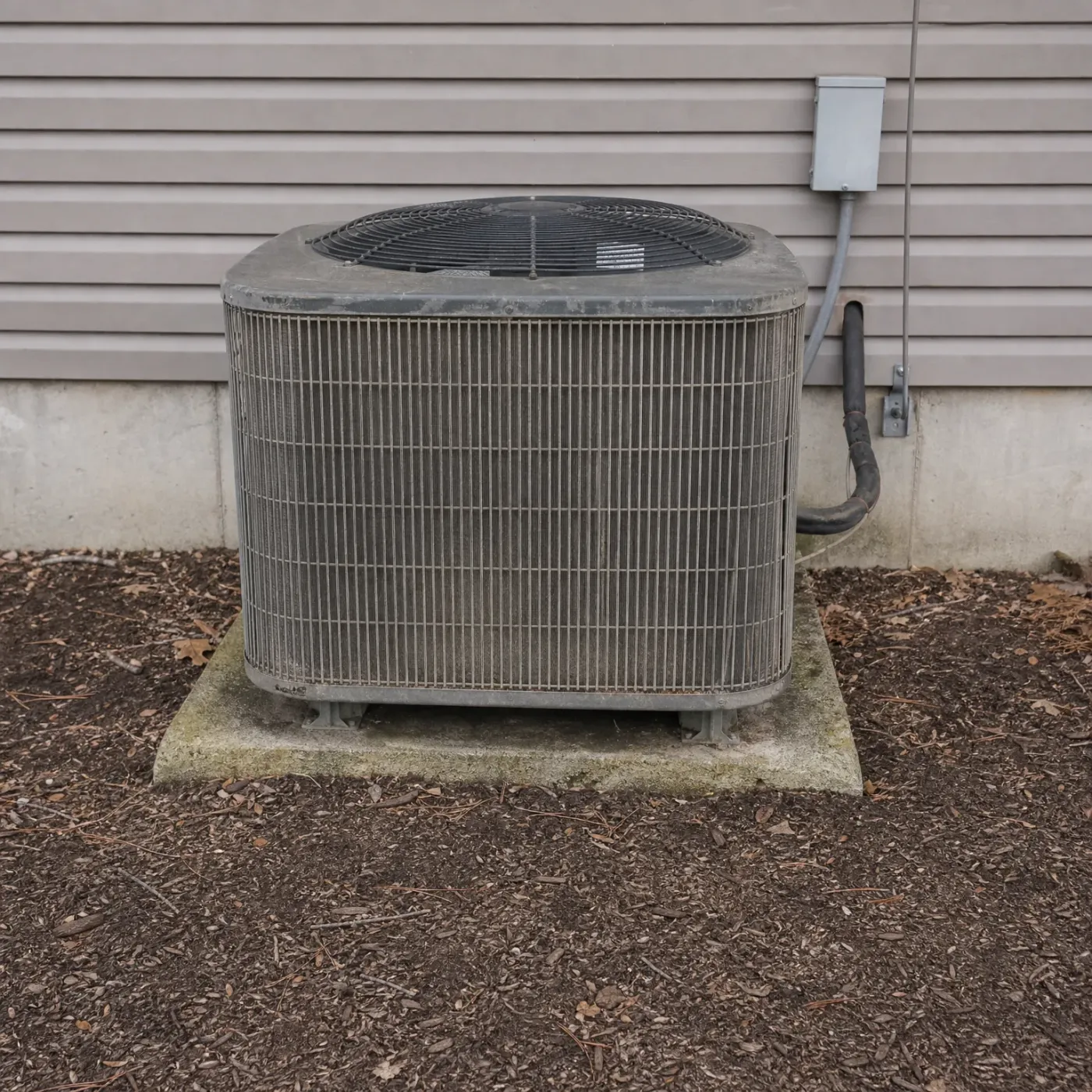
Coil fins caked with dirt and grime choke off airflow long before a fan motor ever fails. A unit left like this runs hotter and harder for years, and that strain is what wears out a capacitor or seizes a motor bearing. By the time the fan stops, the coil usually tells the rest of the story.
Summer air here holds a dew point around 68°F, according to NOAA climate normals, and that's what makes the air feel heavy instead of just hot. That moisture load is exactly what your outdoor fan is built to fight. It pulls air across the condenser coil to carry heat out of the refrigerant, and the wetter the air, the harder that coil has to work to shed it. When the fan stops, that heat has nowhere to go. The compressor keeps running and building pressure with no airflow to cool it, and inside the house you'll feel the air go from cool to warm faster than it would on a drier, milder day.
NASA POWER T2MDEW county cells weighted by homes
A fan that won't spin almost always comes down to the capacitor, the motor, or the contactor, and none of those are things to guess at from the back patio. The compressor can keep running without the fan, and that builds heat inside the unit fast, so the longer it sits like that the more it risks taking the compressor down with it. You don't need to know which of the three it is before you ask for help. A licensed contractor who works on these units in Texas heat will check the capacitor first, then the motor, then the wiring, and go from there. Once you send the form, that search is off your plate. Someone local gets matched to your situation and reaches out, and you can stop standing in the backyard listening for a sound that isn't coming. The house will still be warm for a bit. But you're no longer the one trying to figure out why.
Get the right pro for your air conditioner
Send the request today and let an air conditioner pro reach out to you.