 Skip the calls
Why your AC compressor won't kick on in Texas
Answer a few questions instead of calling shop after shop.
You go to the thermostat, push the temperature down, and nothing happens. No hum from outside, no click, no fan. In a Texas summer that gets your attention fast, because the house starts climbing within the hour.
A compressor that won't start usually comes down to a few things: a tripped breaker, a bad capacitor, a failed contactor, or a safety switch that's shutting the system down on purpose because something else is wrong. Some of these a contractor can diagnose in minutes. None of them get better on their own, and running the system repeatedly while it tries and fails to start can damage the compressor further.
What usually eats up the afternoon isn't the repair, it's finding someone who can do it. Searching for AC repair companies near you, calling two or three, explaining the same symptoms each time, waiting to hear back, then trying to figure out which quote actually covers the problem you have. That's an hour or more before anyone's even looked at your unit, and it's happening while your house sits in the heat.
Here, you describe what's going on once. That gets matched to a licensed contractor working in your area, someone who deals with compressor failures all summer and knows the usual suspects for your kind of unit before they pull the panel off. You're not fielding calls from five different companies trying to win the job. It's one contractor, already headed your way.
The answer to what's actually wrong with your system is below. Once you know what you're dealing with, the button on this page is how you stop handling it alone.
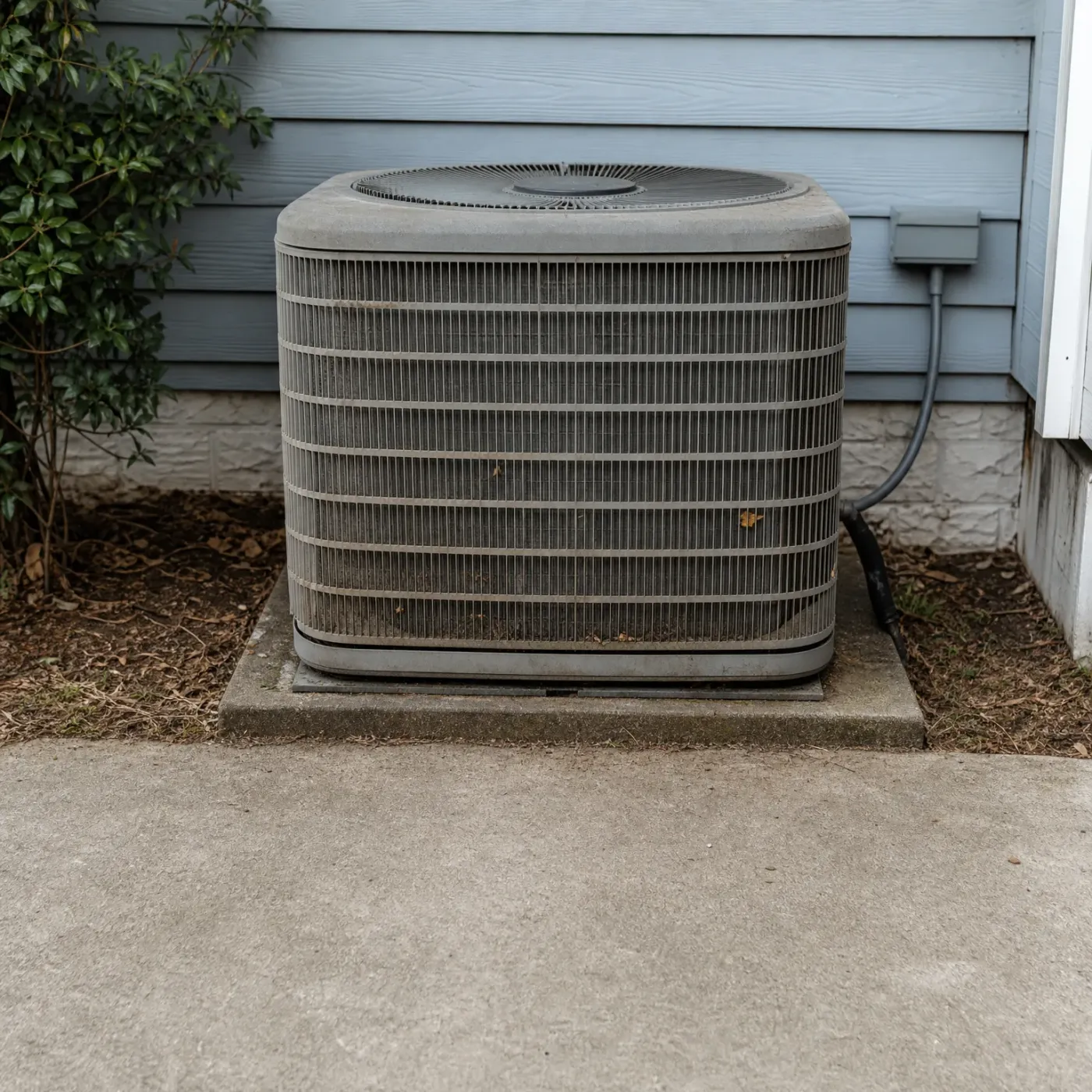
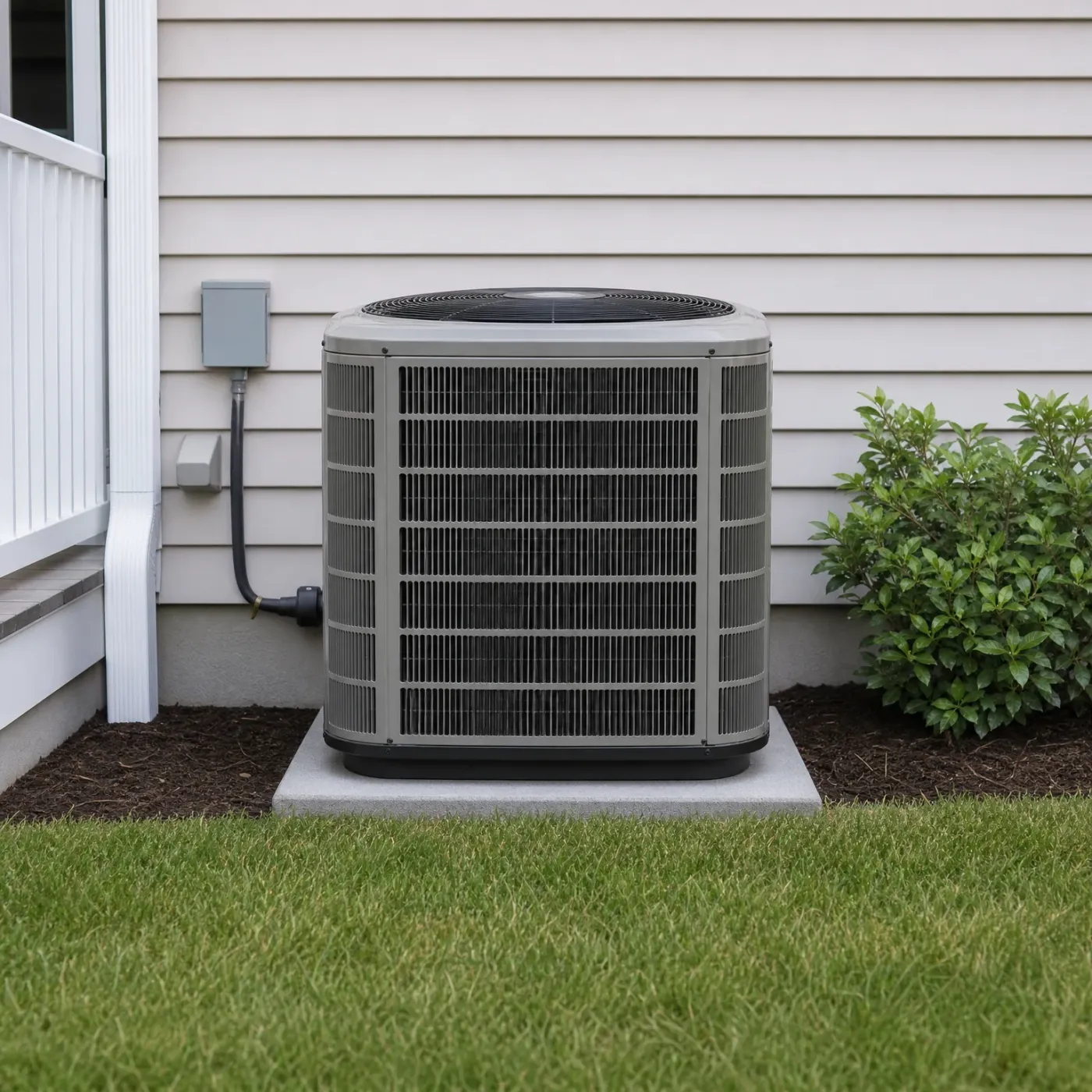
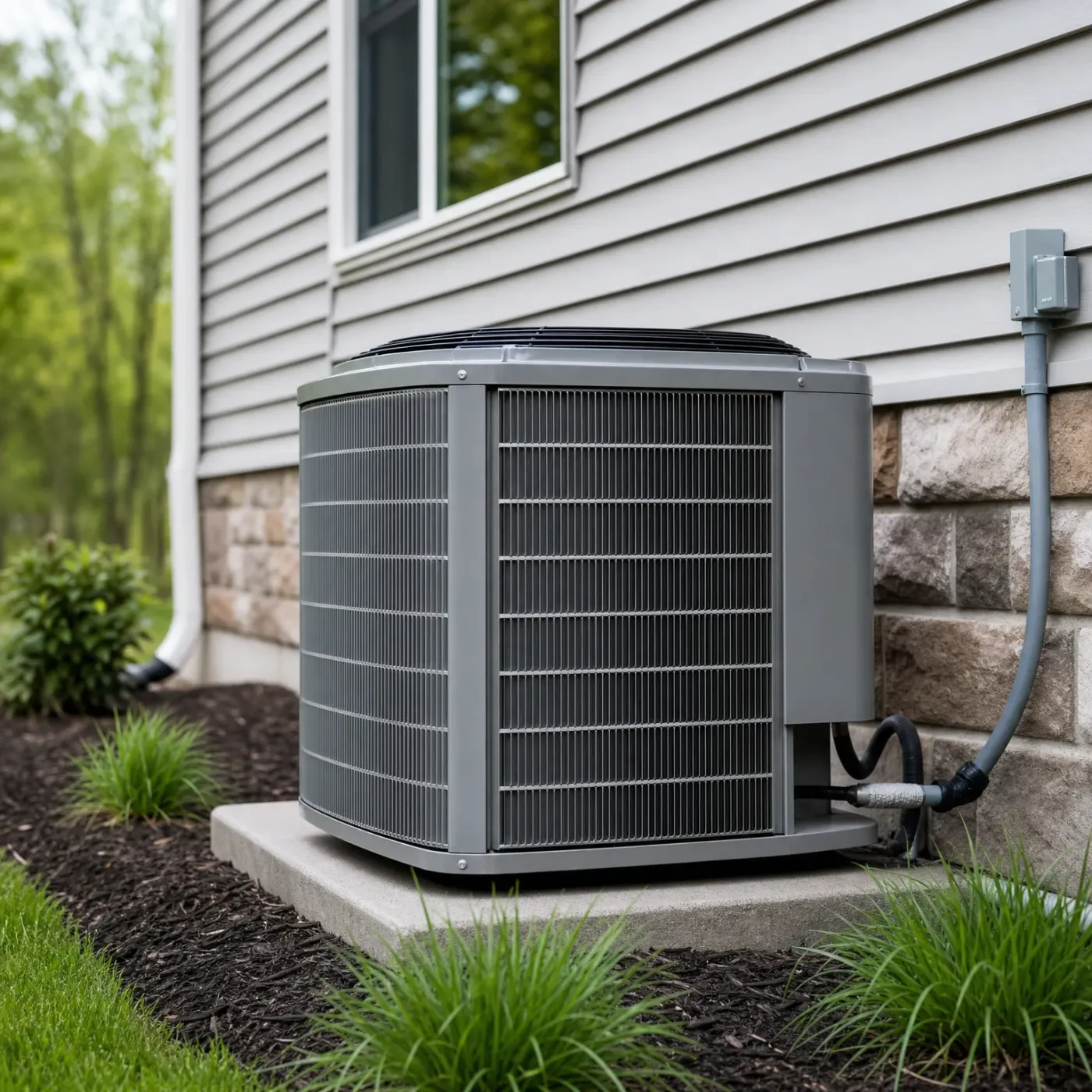
A compressor that won't start usually comes down to one of a few things. The capacitor that's supposed to give it the jolt to start spinning has gone weak, which is common after years of Texas summers running the unit hard. A safety switch inside the unit may have tripped because the compressor got too hot or the refrigerant pressure is off. Sometimes the contactor, the relay that sends power to the compressor, has burned or stuck from constant cycling. Low refrigerant from a slow leak can also keep it from starting, since the system senses the pressure is wrong and shuts the compressor out rather than let it run damaged. The fan outside may still spin while the compressor stays silent, which tells you the power is reaching the unit but the compressor itself isn't responding. Any of these leaves your house gaining heat with no way to answer it until the part gets replaced or the pressure gets corrected.
Power costs 15.40 cents per kilowatt-hour statewide
At 15.40 cents per kilowatt-hour, a compressor that's straining to start before it finally gives up pulls more power than one running clean. If yours has been short-cycling or humming without starting, that shows up on the bill before it shows up as a full breakdown.
EIA-861 2025 statewide residential average

Thermostat calls for cooling and sends power to the contactor.
Contactor closes and sends power to the compressor and capacitor.
Capacitor delivers the jolt that starts the compressor motor spinning.
A weak capacitor or stuck contactor stops the compressor cold.
Skip calling around
Your request goes to one pro, not a list of companies.
Describe your air conditioner job once, to one pro.
Sending the form costs nothing.




A dew point in the high 60s is what makes Texas air feel heavy even before the temperature climbs. Averaged over the summer, it sits at 68°F here, and that moisture load is part of why the compressor has to work as hard as it does. The unit isn't just dropping the temperature, it's also wringing water out of the air that keeps coming back in around doors, windows, and vents. That extra demand is part of what wears down a capacitor over the years or trips a safety switch. When the compressor won't start on a day like that, the humidity in the house climbs fast, and things feel damp and sticky well before the temperature itself feels unbearable.
NASA POWER T2MDEW county cells weighted by homes

A compressor that won't start has a reason, and it's one a contractor can find
A capacitor, a contactor, a safety switch tripped shut. One of those is why your outdoor unit sits silent while the thermostat keeps calling for cooling. None of it fixes itself, and running the system over and over trying to force it to start just adds wear to a motor that's already struggling.
You don't need to figure out which part it is before you call someone. That's the diagnosis, not the search. A licensed local contractor who works on these units every summer can test the capacitor and the contactor on the spot instead of you guessing from a list online, calling three different companies, explaining the same silence and the same humming noise each time, and sorting through quotes that all sound different. Request the repair once, and one contractor who knows this equipment follows up with you directly.


Air Conditioner Repair
Describe it once

- Describe your air conditioner job, and a local pro who handles it gets in touch.
- Say what's going on with your air conditioner, and a pro who works on them reaches out.

- Once you send the form, finding a pro is off your list.
- After you send the request, you're done searching.

- Explain the job once and skip repeating it on every call.
- Skip searching for an air conditioner pro and answer a few questions instead.

- Only one pro gets your request, so you hear from one company.
- Your request stays with one local pro.