

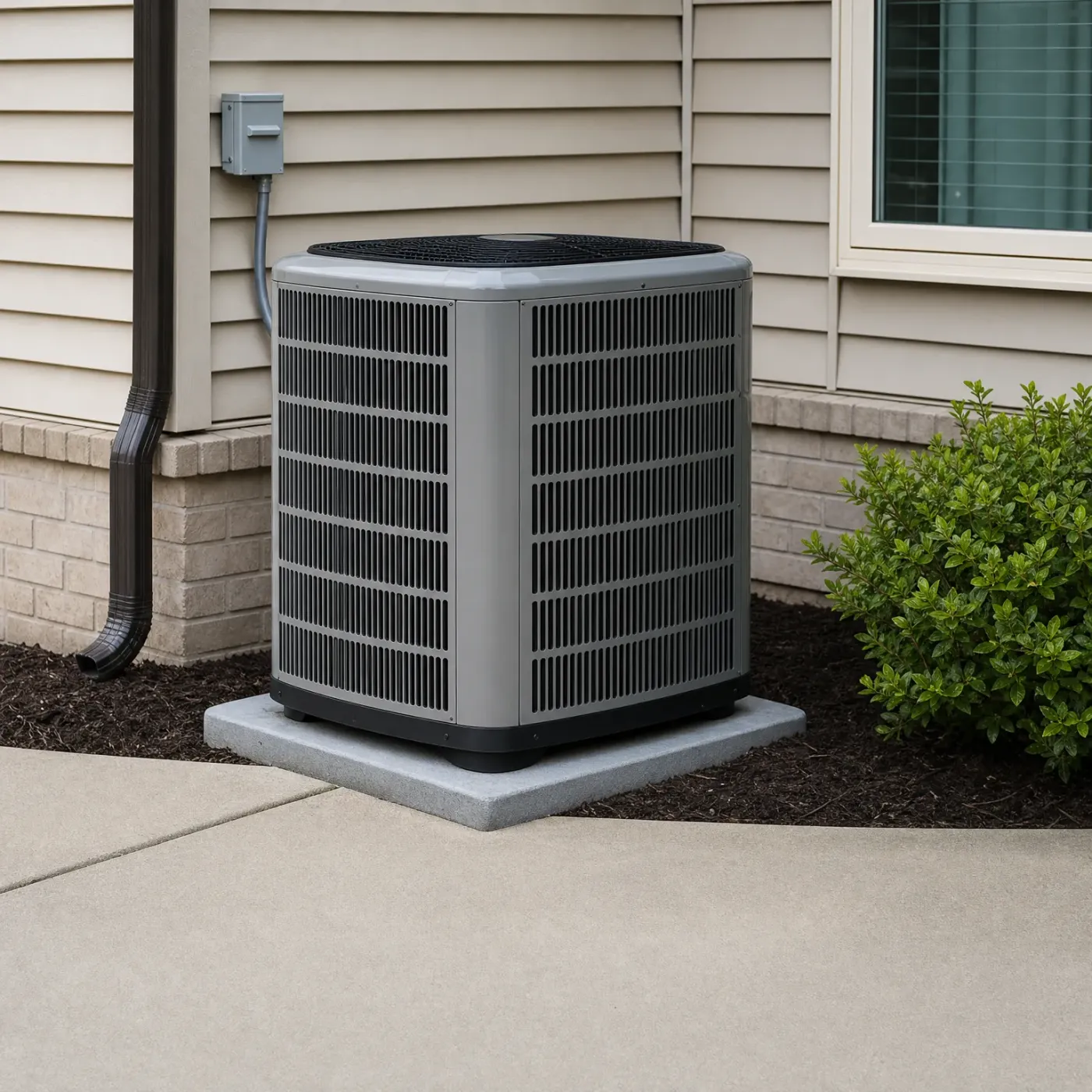
Running clean
A condenser with open fins and clear airflow around it can move heat out of the house the way it's supposed to. The coil breathes, the fan pulls air through without a fight, and the system has a real chance on a hot afternoon.
Your AC loses the fight on the hottest days because it was sized to keep up with heat, not heat plus the kind of humidity Texas summers carry. A central air conditioner has to pull moisture out of the air before it can cool it, and on a muggy afternoon that takes most of its capacity, leaving less left over to drop the temperature. If the system is also low on refrigerant, running on a weak capacitor, or stuck with a dirty coil or a clogged filter, that gap gets worse fast. The thermostat might say it's trying, running almost nonstop, but the house still sits a few degrees above where you set it. That's not the unit being lazy. It's a sign something is working harder than it should to do a job it used to manage fine, and on the hardest days that shortfall shows up first.





You'll notice it first in the rooms farthest from the thermostat. The air still moves out of the vents, but it doesn't feel as cold, and the house holds a kind of stickiness no amount of fan use fixes. The unit outside may run almost nonstop from early afternoon into the evening and still lose a degree or two by dinner. That long runtime shows up on your power bill, and it puts more hours of wear on a compressor that was already working past what it was built to handle on a normal day.
If this is happening every summer, something is working against the system: a refrigerant charge that's low, a coil that's dirty, airflow that's restricted somewhere in the house. Finding that out yourself means calling around, explaining the same problem to a few different companies, and sorting through quotes that don't tell you much until someone's actually looked at the unit. Requesting service here instead puts you in touch with one licensed contractor local to your part of Texas, someone who sees this exact complaint every summer and knows where to look first.

A condenser with open fins and clear airflow around it can move heat out of the house the way it's supposed to. The coil breathes, the fan pulls air through without a fight, and the system has a real chance on a hot afternoon.
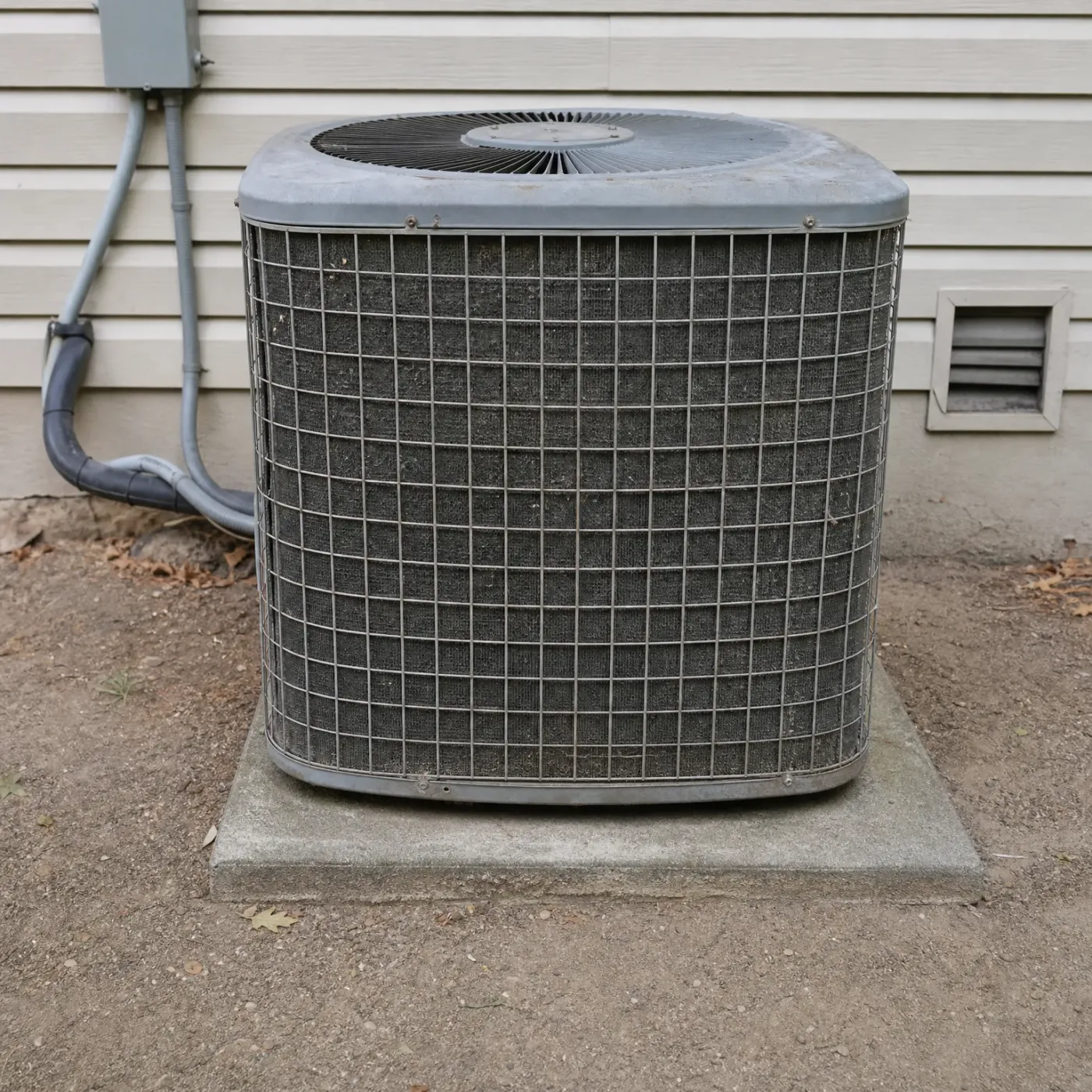
Caked dirt on the grille and fins blocks the airflow the unit needs to release heat outside. It has to run longer to do less, and on the hottest days it may not bring the house down to the thermostat's setting at all.
By two or three in the afternoon, you've noticed the air coming out of the vents just doesn't feel as cold, even though the system never shut off. It's not your imagination, and it's not the thermostat lying to you. Something about the afternoon heat load is different from what the system faced at nine in the morning, and it has to do with how a condenser actually sheds heat.
Your outdoor unit, the condenser, gets rid of heat by dumping it into the outside air. In the morning, that air might be 80 degrees. By three or four in the afternoon in Texas, it can be pushing past 100, and the ground and the siding around the unit have had hours to soak up heat too. The condenser is trying to push heat into air that's already hot, so it has less of a temperature difference to work with, and that makes the whole system work harder for the same amount of cooling. The compressor runs longer, the indoor coil has a harder time catching up, and the house loses ground exactly when the heat outside peaks.
Summer air in Texas carries a dew point around 68°F, averaged across June, July and August by NOAA. That's the number that tells you how heavy the air actually feels, not just how hot. At that dew point, your AC spends part of every cycle wringing water out of the air before it can drop the temperature at all, and on a packed afternoon that's extra work piled on top of the work it's already behind on. You'll see it as a longer run time and a system that never quite shuts off, even in rooms with the vents wide open. When that's what's happening, you want someone who works on AC systems in this kind of air all summer, not a search through company websites and a round of calls to find out who's free. One licensed local contractor takes the call, looks at what's actually failing, and you're not fielding a string of quotes from different shops to sort through on your own.
NASA POWER T2MDEW county cells weighted by homes
You've already read what's happening inside your system on a muggy afternoon. Figuring out which part of it is failing in your house is a different job, and not one you should have to do over the phone with five companies in a row. A contractor who works on AC systems in Texas heat all summer has seen what a condenser looks like after years of pulling moisture out of thick air, and what it looks like when a coil or a capacitor just can't keep up anymore. That's the kind of call this is: one contractor, local to you, who sees this exact failure every July and August and knows where to look first. You won't need to explain the humidity part. You already have. What's left is getting someone out to look at the unit itself, on a day it's struggling, before it quits on you entirely.
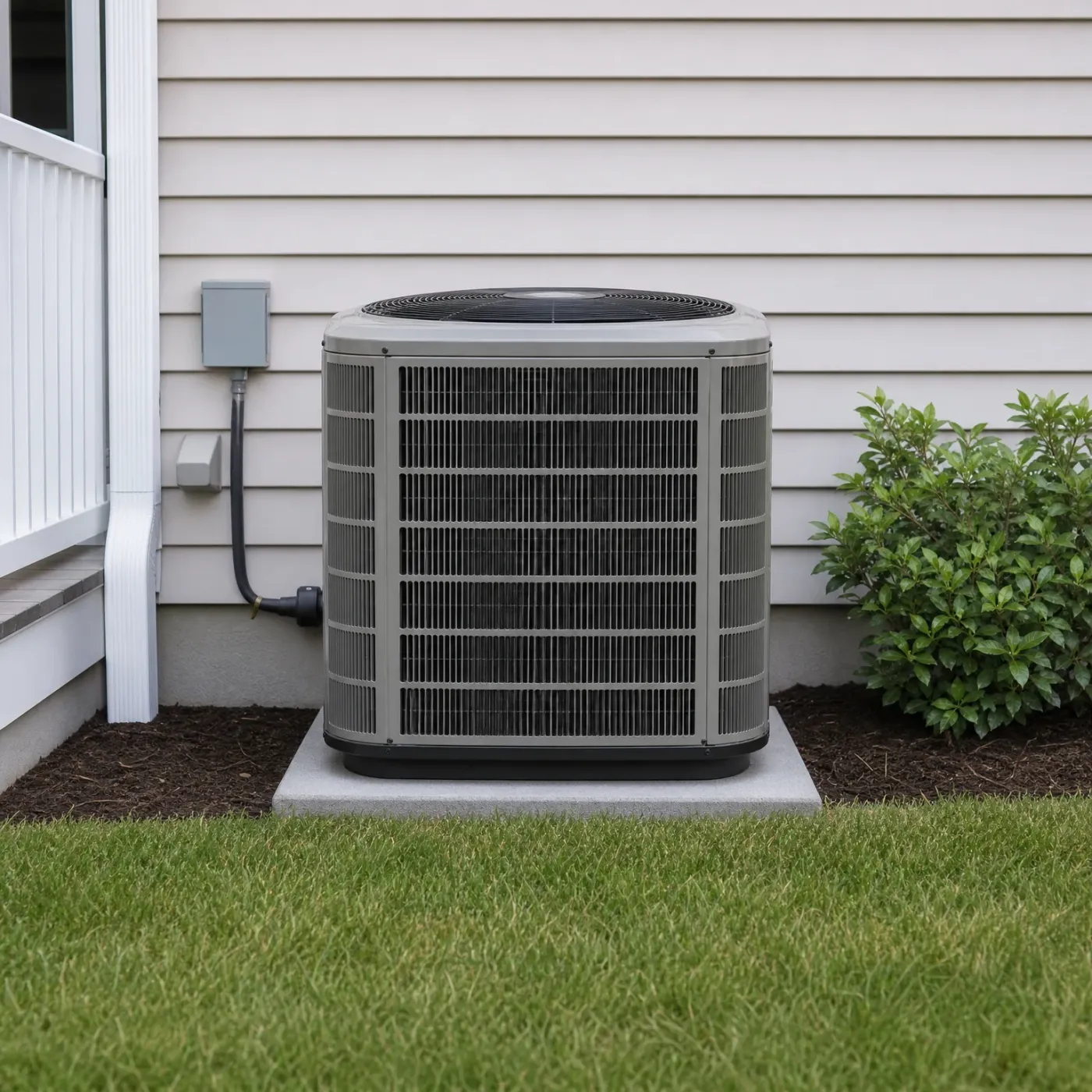
The fins on this unit are open, and the disconnect box and the shrub beside it aren't crowding the airflow. Air passes through the coil freely, so the system can actually move the heat it's pulling out of the house into the yard where it belongs.
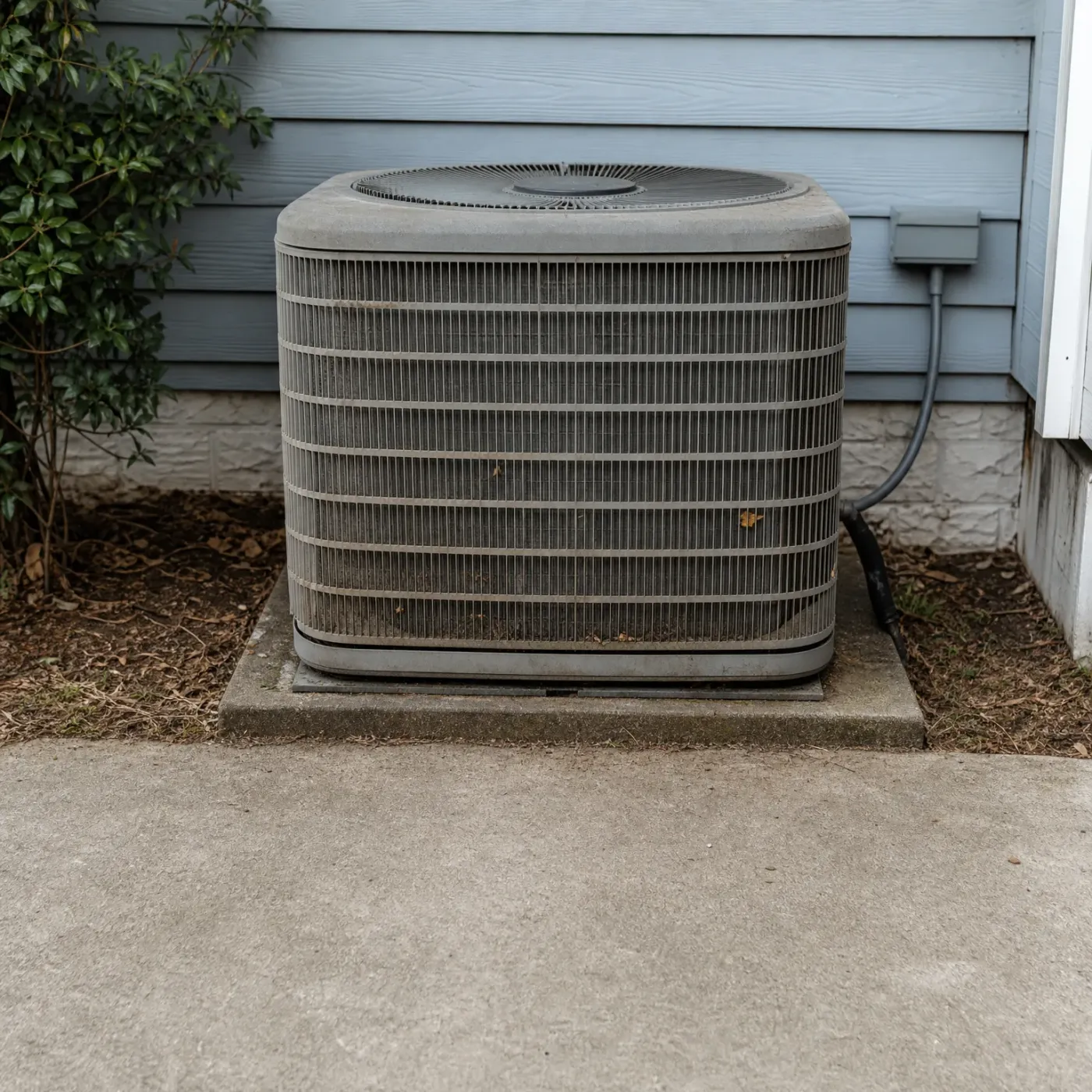
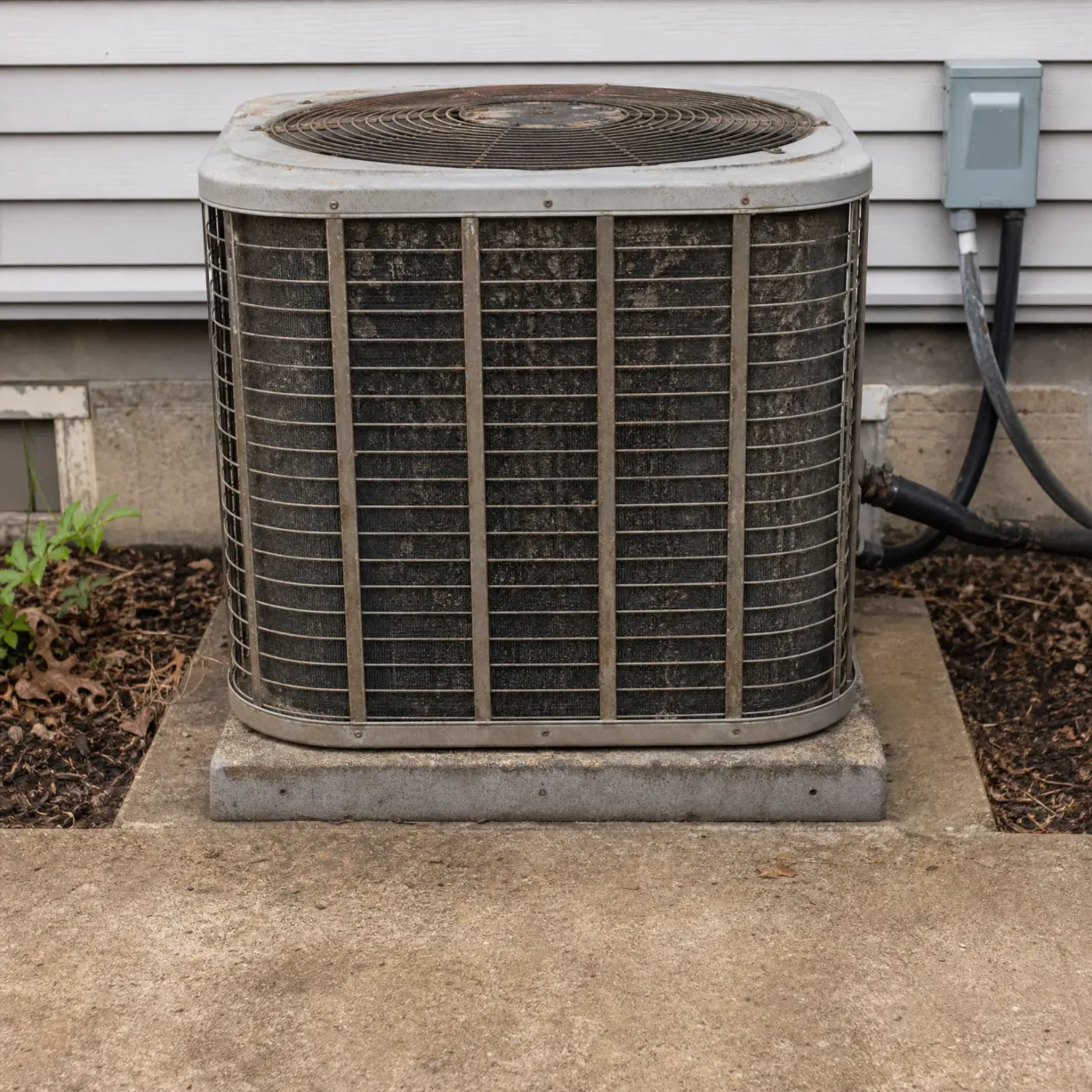
These coil guards are caked with dust, and the fan behind them is pulling air through a surface that's mostly blocked. The unit has to run longer to move the same heat, and on a hot afternoon it may not move enough. A contractor can clean and check it before it costs you a bigger repair.
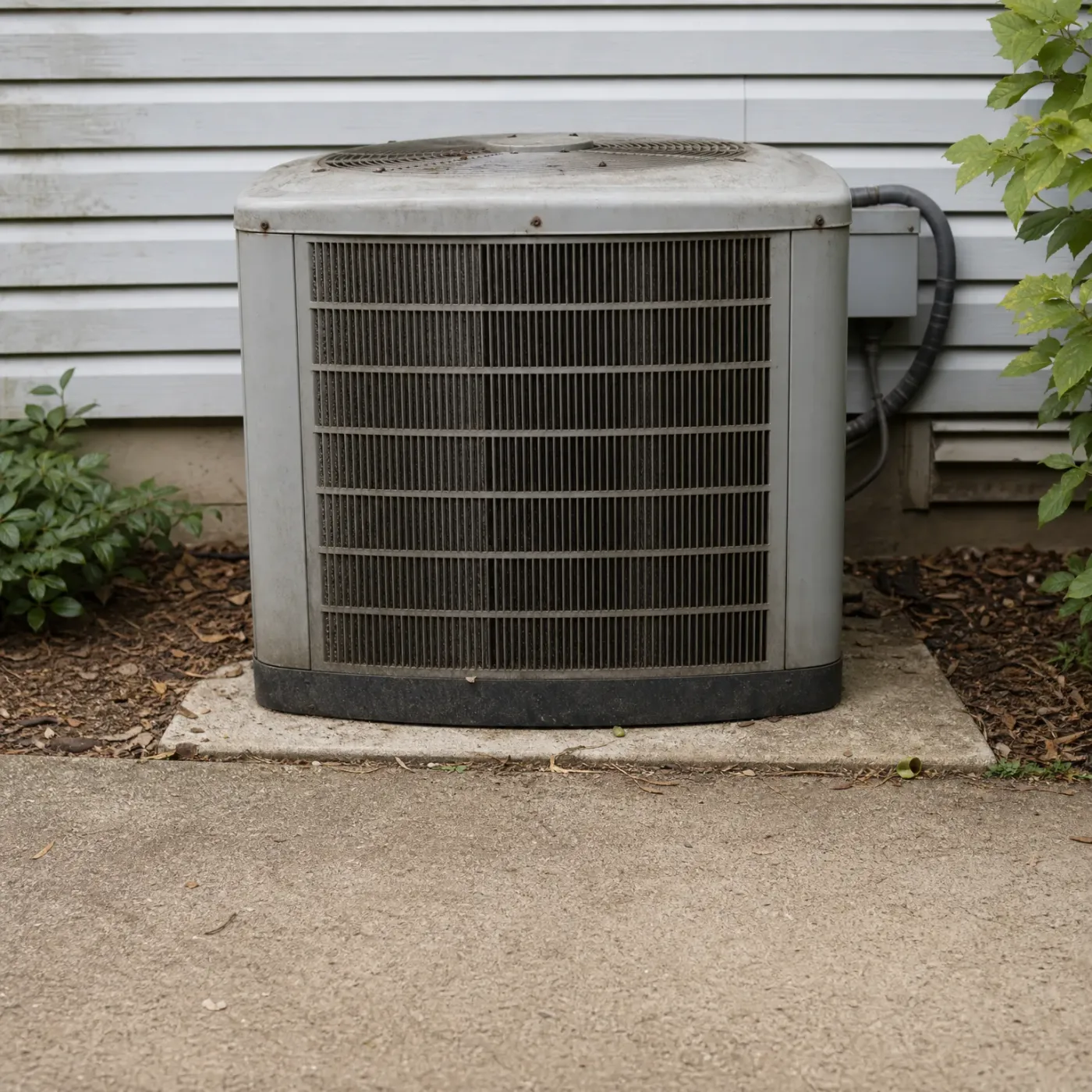
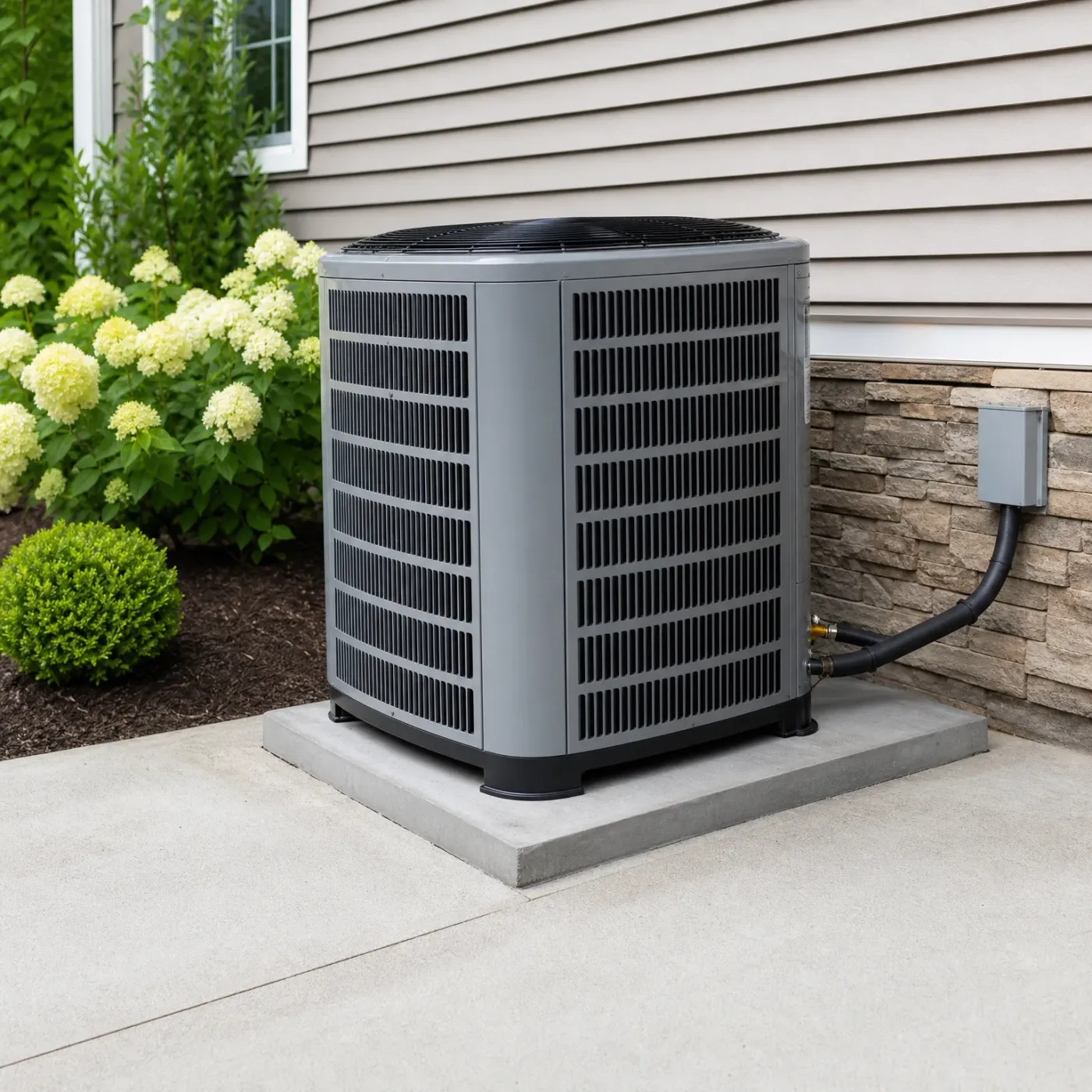
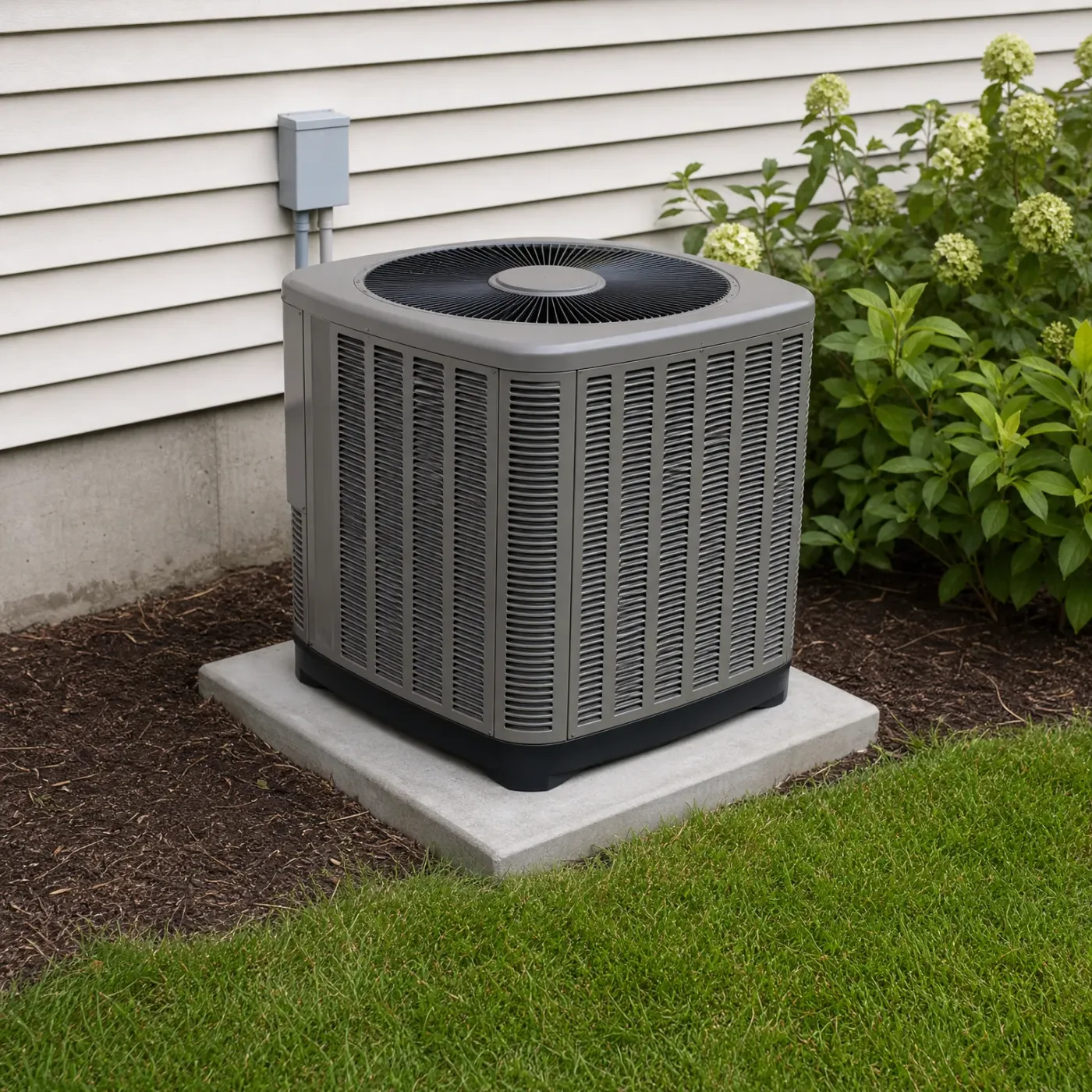
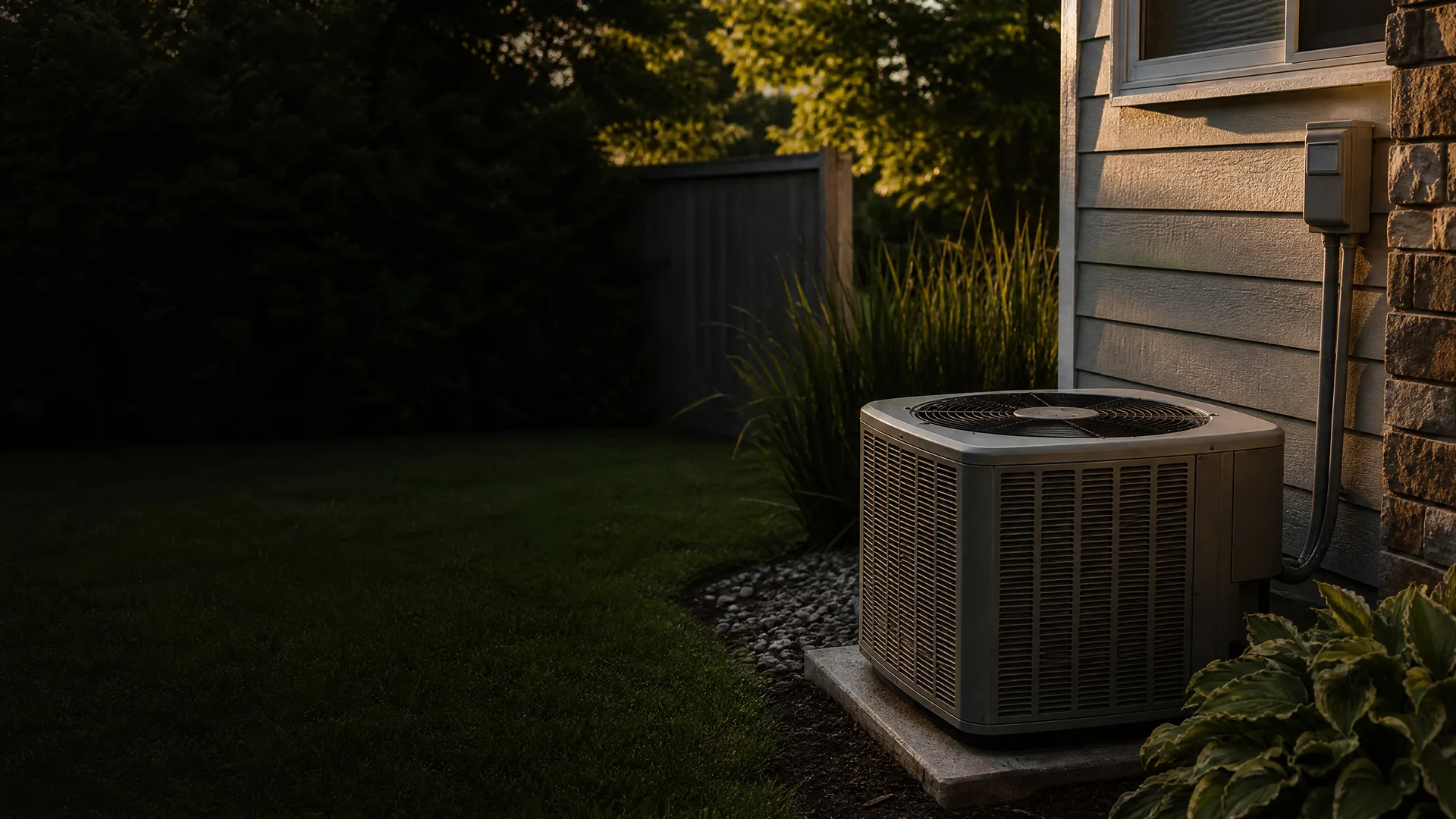
It's past seven and the light is going gold over the fence line, but the air hasn't let up. You walk out back to check on the unit because the house still hasn't cooled since lunch. The condenser sits there in the mulch, humming, but the fan behind the grille isn't turning. No air is moving off it at all. You crouch down and feel the top panel, warm to the touch, and somewhere inside the house you can hear the blower still running, pushing air that was never cooled. The cicadas haven't quit yet either. You stand back up, phone already in your hand.
At 15.40 cents per kilowatt-hour, every extra hour your AC runs fighting humidity shows up on the bill. A unit struggling to keep up doesn't just run longer, it pulls full power the whole time, so a repair that fixes the real problem pays you back every month it's hot.
EIA-861 2025 statewide residential average
A system that's only lost its edge still cools the house, just slower, and it'll hold the line until a tech gets to it on a normal service call.
A system that's lost the fight outright will run all day and lose ground anyway, and every hour you wait is an hour of full power spent on a house that's still too warm.


Heat alone doesn't explain why your AC falls behind. Texas summer air carries weight in the form of moisture, and your system has to wring that out before it can cool anything. That's the normal fight, the one every AC in this state runs from June through August. What turns a normal fight into a losing one is something specific going wrong inside the system, a condenser choked with debris or a refrigerant charge that's dropped. Once that happens, the house doesn't just cool a little slower. It stops recovering at all, and the thermostat setting stays out of reach no matter how long the system runs.
Figuring out which of those it is in your house isn't something you can tell from the thermostat or the power bill. It takes someone who's stood in front of a struggling system on a hot Texas afternoon before and knows where to look first. A contractor who works this equipment every summer in this climate has already seen what a dew point in the high 60s does to a coil that isn't breathing right, or a charge that's slipped low. That's the kind of call this leads to, one contractor, one visit, one answer about what's actually failing in your house, instead of a string of calls where you explain the same thing five times and end up with five different guesses. The house staying warm while you sort through that is the real cost of not knowing. Getting the right diagnosis the first time is what gets the system actually caught up.





Your request goes to one pro, not a list of companies.
It costs nothing to send, and you don't have to hire anyone.