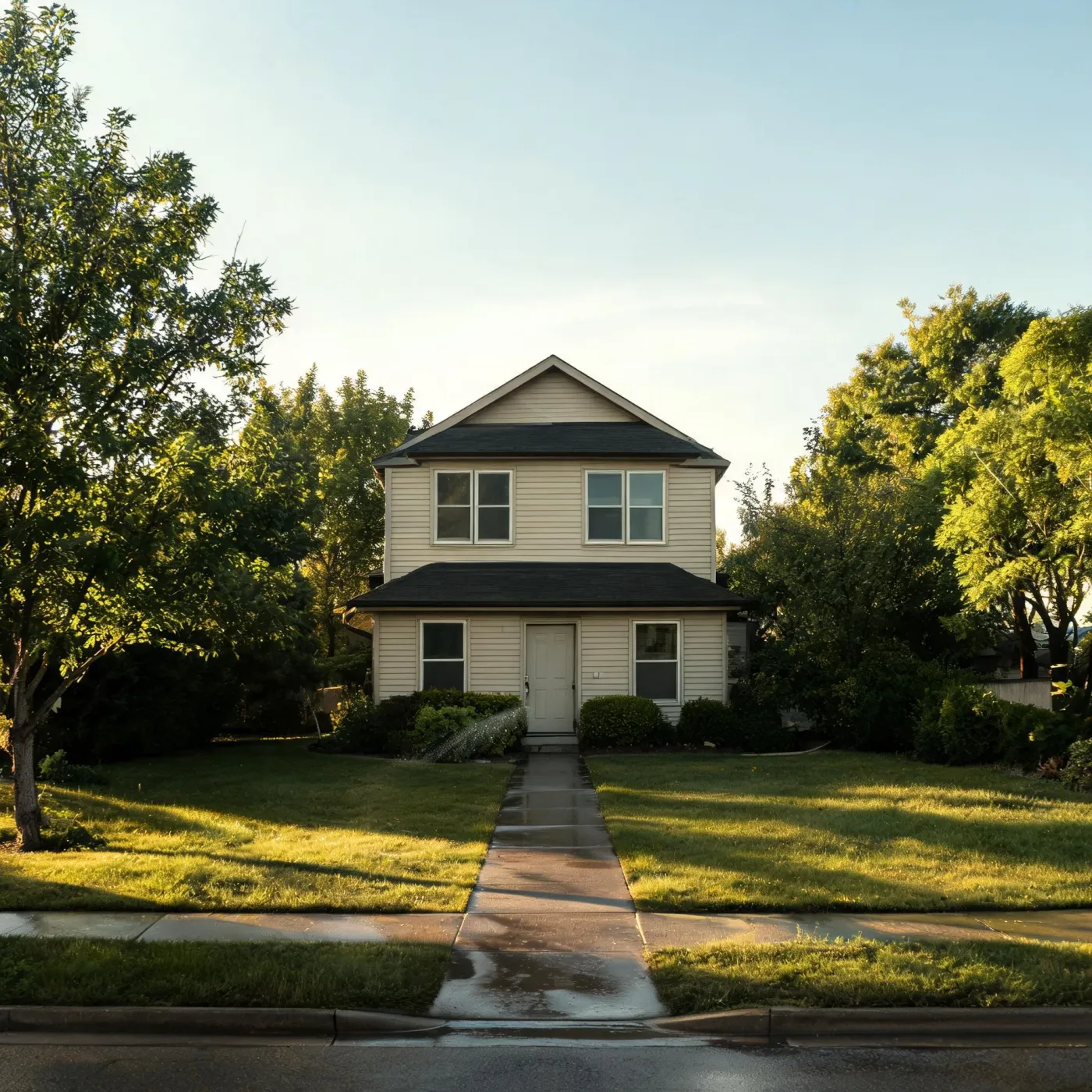
A local installer who puts in air conditioners gets your project.
A variable-speed AC runs at a low speed most of the day instead of switching fully on and off. In Texas, where the air is muggy as much as it's hot, that matters because a system that runs longer at low speed pulls more moisture out of the air than one that blasts cold air and shuts off. That changes how the house feels at the same thermostat setting.
Whether it's worth it for you depends on things specific to your house. The size of your current system, your ductwork, and how your home holds up against the heat all factor into whether you'd see the difference a variable-speed system is built to make. A contractor who looks at your actual setup can tell you that. A generic answer can't.
This is also not a small purchase, and not one to sort out by calling a handful of companies, explaining your situation to each one, and trying to compare quotes that are never quite built the same way. That's the part you don't have to do yourself. Answer a few questions about your home and your current system, and a contractor who installs these systems in Texas will reach out to you directly, already knowing what you're working with.
You still have the real decision ahead of you, the one about your specific house and your specific unit. But you don't have to spend your afternoon on the phone finding someone qualified to help you make it. That part starts with the button below.
A variable-speed AC is worth it for most Texas homes, because of what it does to humidity, not just temperature. A single-speed unit cools the air fast, hits the thermostat setting, and shuts off, often before it has pulled much moisture out of the room. A variable-speed system runs longer at a lower speed, moving air across the coil for hours instead of minutes, which pulls more water out of the air over the course of a day. In a place where the air itself feels heavy for months at a time, that difference shows up as a house that feels cooler at a higher thermostat setting, with less of that damp, clammy feeling when the AC cycles off. It also runs more evenly, without the hot-then-cold swing of a unit that's either blasting or off. For a system you'll live with through another long, humid summer, that steadier run is the main reason it pays off here.
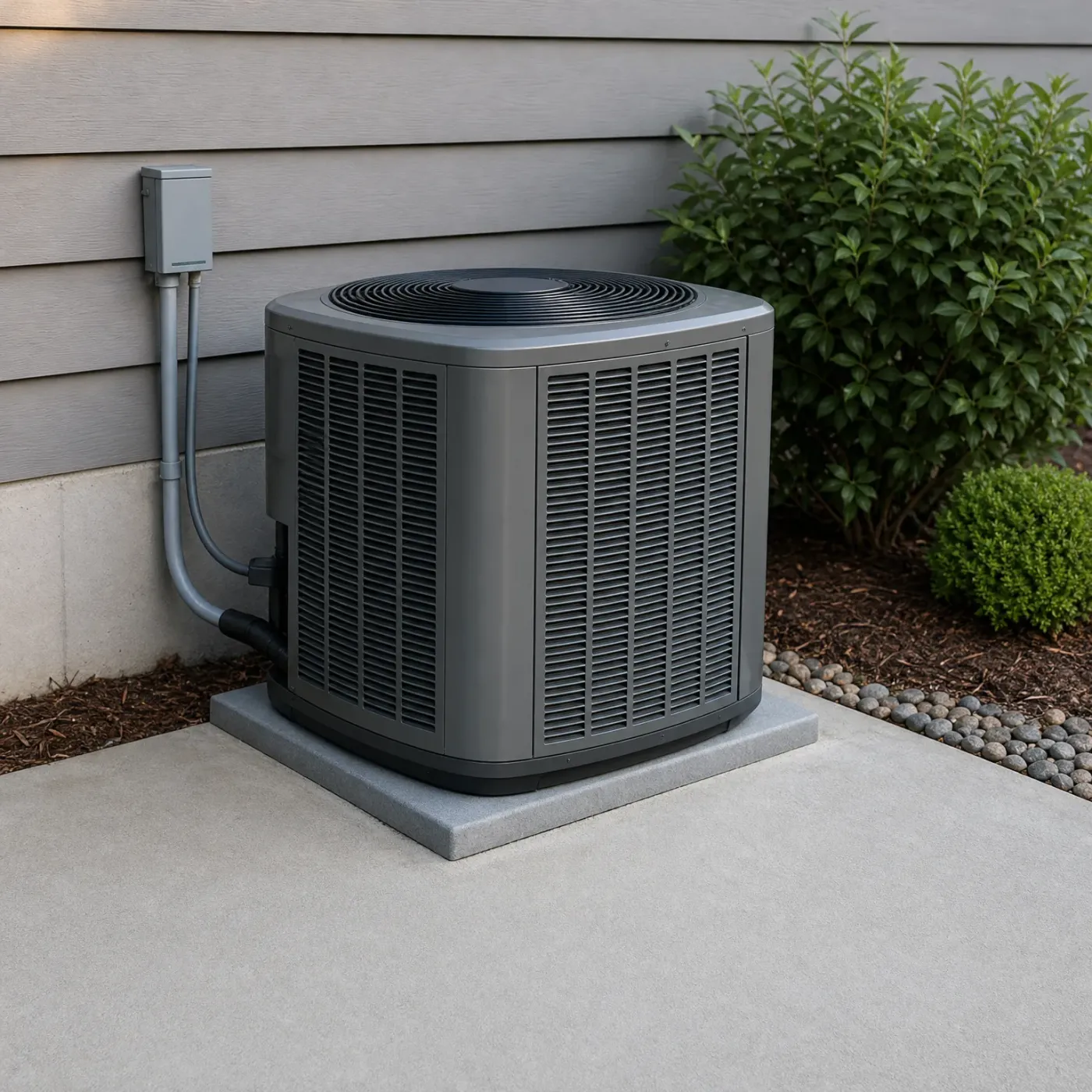
Before you get your air conditioner installationAfter you get your air conditioner installation
A single-speed air conditioner has one gear. The compressor kicks on at full output, cools the room, and shuts off once the thermostat is satisfied. A variable-speed system works differently. Its compressor can slow down to a fraction of full capacity and stay there for hours, so instead of short blasts of cold air, you get a steady, slower flow. The indoor blower matches that pace, which is why the air feels less like a gust and more like a constant draft. A communicating thermostat is what makes this possible. It tells the system exactly how much capacity to run based on how close the room already is to the set temperature, instead of just flipping a switch. The real payoff is what happens at the coil. Air moving slowly over the evaporator coil for a long stretch gives it more time to wring moisture out before that air ever reaches your living room. The outdoor fan adjusts too, which means the unit outside your window won't always sound the same.
How variable speed cooling actually works
A variable-speed compressor ramps between roughly 25 and 100 percent of full capacity instead of only running at one speed.
The indoor blower motor adjusts its speed to match the compressor, so airflow stays steady instead of blasting cold air in short bursts.
A thermostat with communicating controls tells the system how much capacity to run, based on how far the room is from the set temperature.
Running longer at low speed gives the evaporator coil more time to pull moisture out of the air passing over it.
A single-speed unit's compressor only has two states, full on or fully off, with nothing in between.
The outdoor condenser fan on a variable-speed system also adjusts speed, which changes how much noise it makes at different points in the day.
A single-speed system cycling on and off still gets the house cold on a 100 degree day, which is all some homeowners ask of it.
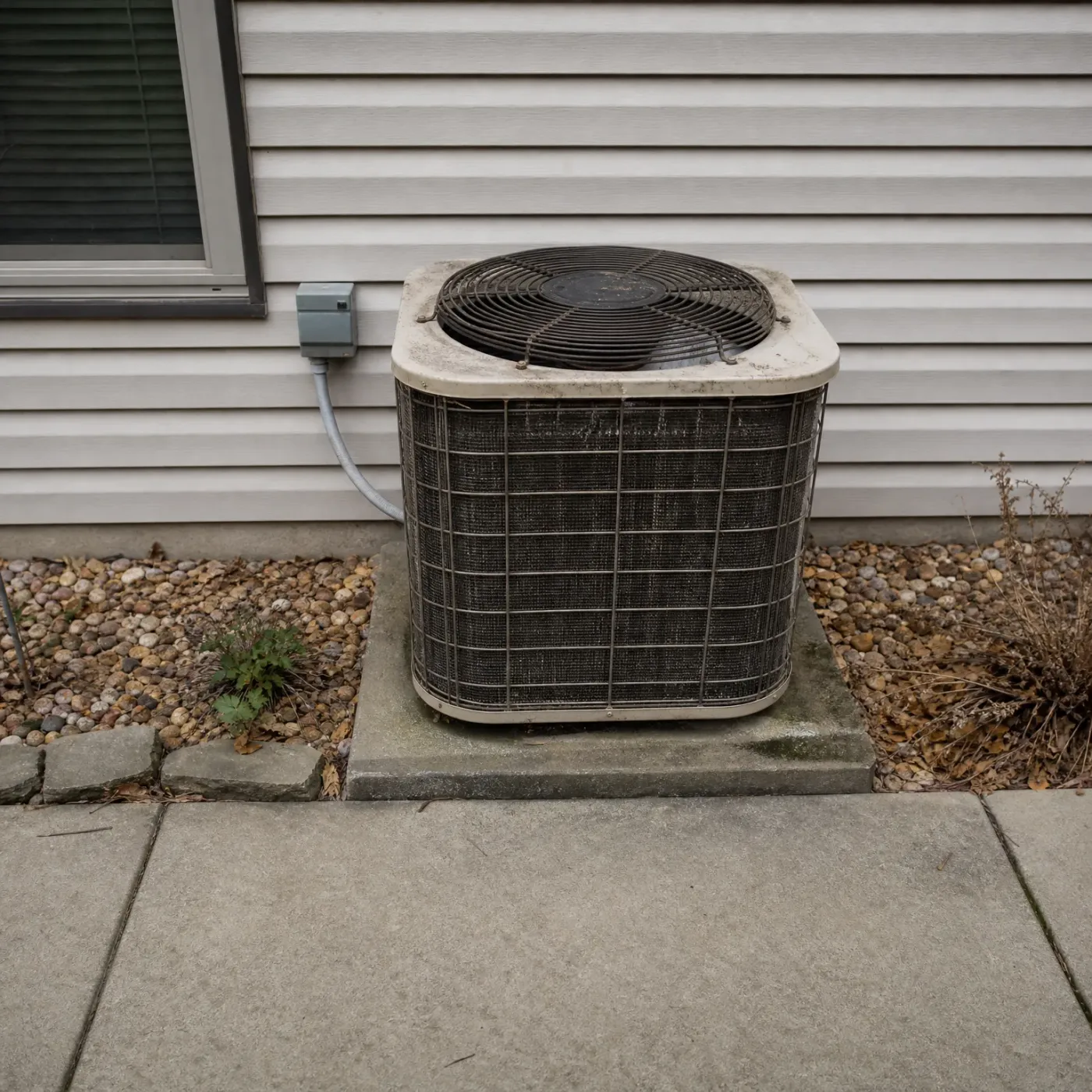
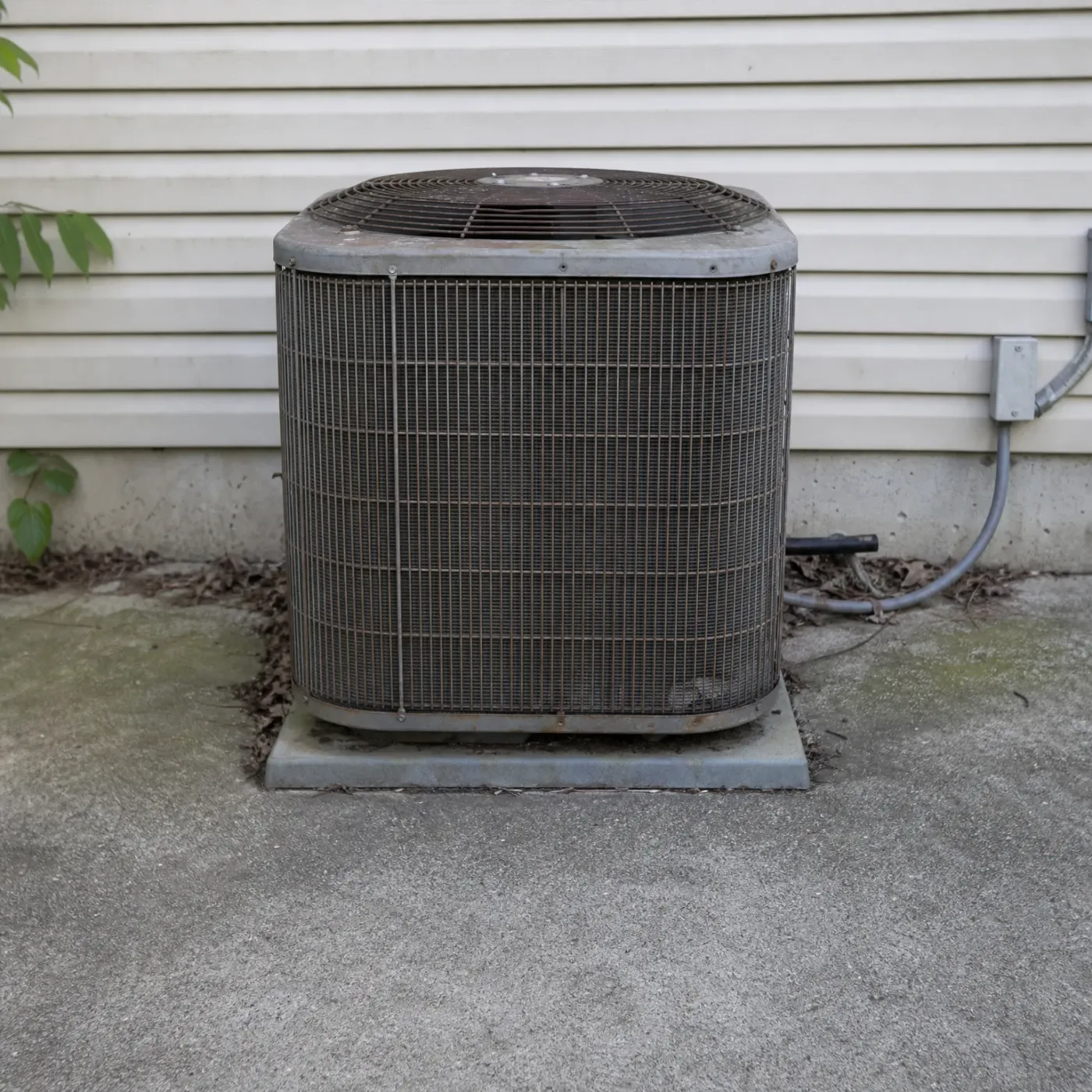
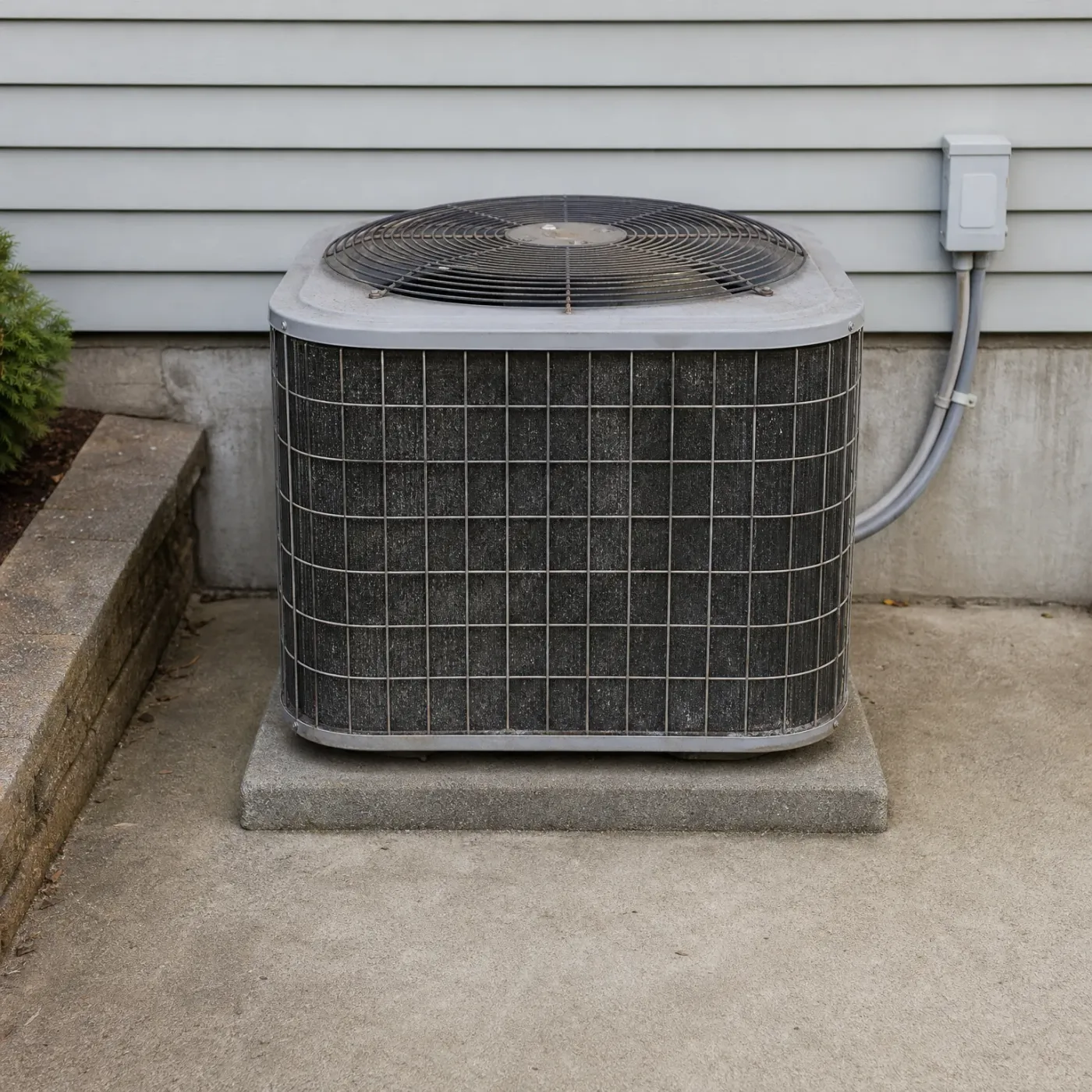
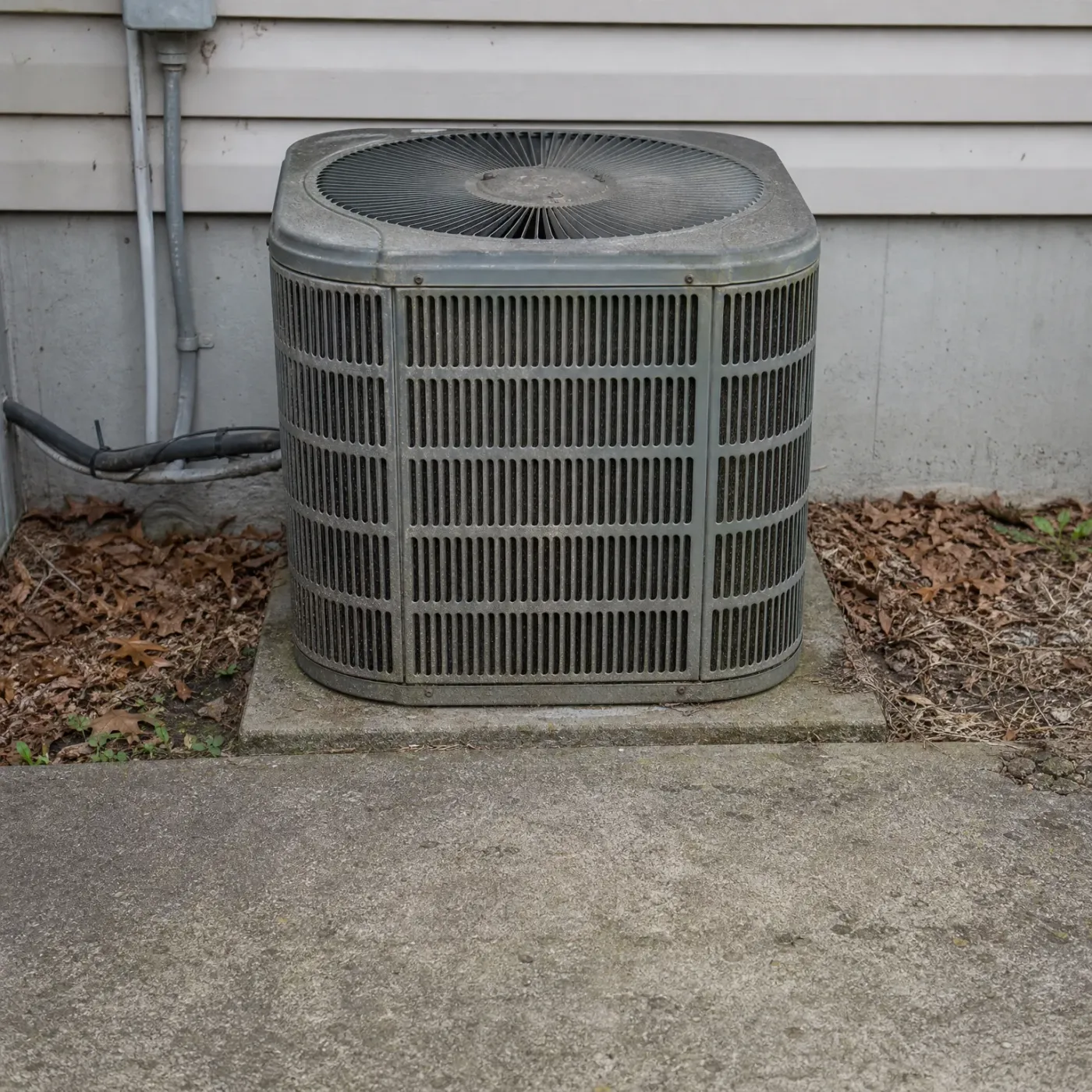
A single-speed unit that's run hard all summer shows it in the grille, the dirt, and the leaves it never had the airflow to clear.
Describe the project once instead of to every installer.
Asking costs nothing, and the choice to hire stays yours.
What a lower setting costs you
A single-speed system has one gear, so on a mild 80 degree day it still floods the house with full-blast cold air, then shuts off. You end up setting the thermostat higher just to avoid the house feeling clammy between cycles. A variable-speed system can hold at a low setting for hours, matching the heat coming in instead of overshooting it. That's why a lot of Texas homeowners find they're comfortable at a higher thermostat setting with variable-speed than they were running a single-speed unit lower.
What longer runtimes do to your bill
A compressor running at 25 or 40 percent draws less power than one running flat out, even if it runs for more hours total. Electricity here is priced like most of the country, so the savings come from how the equipment runs, not from a special rate. A single-speed unit pulls full power every time it kicks on, then stops. A variable-speed unit spends most of the day pulling a fraction of that. Whether that difference shows up on your bill depends on your home and how the system was sized for it.
Running as it should
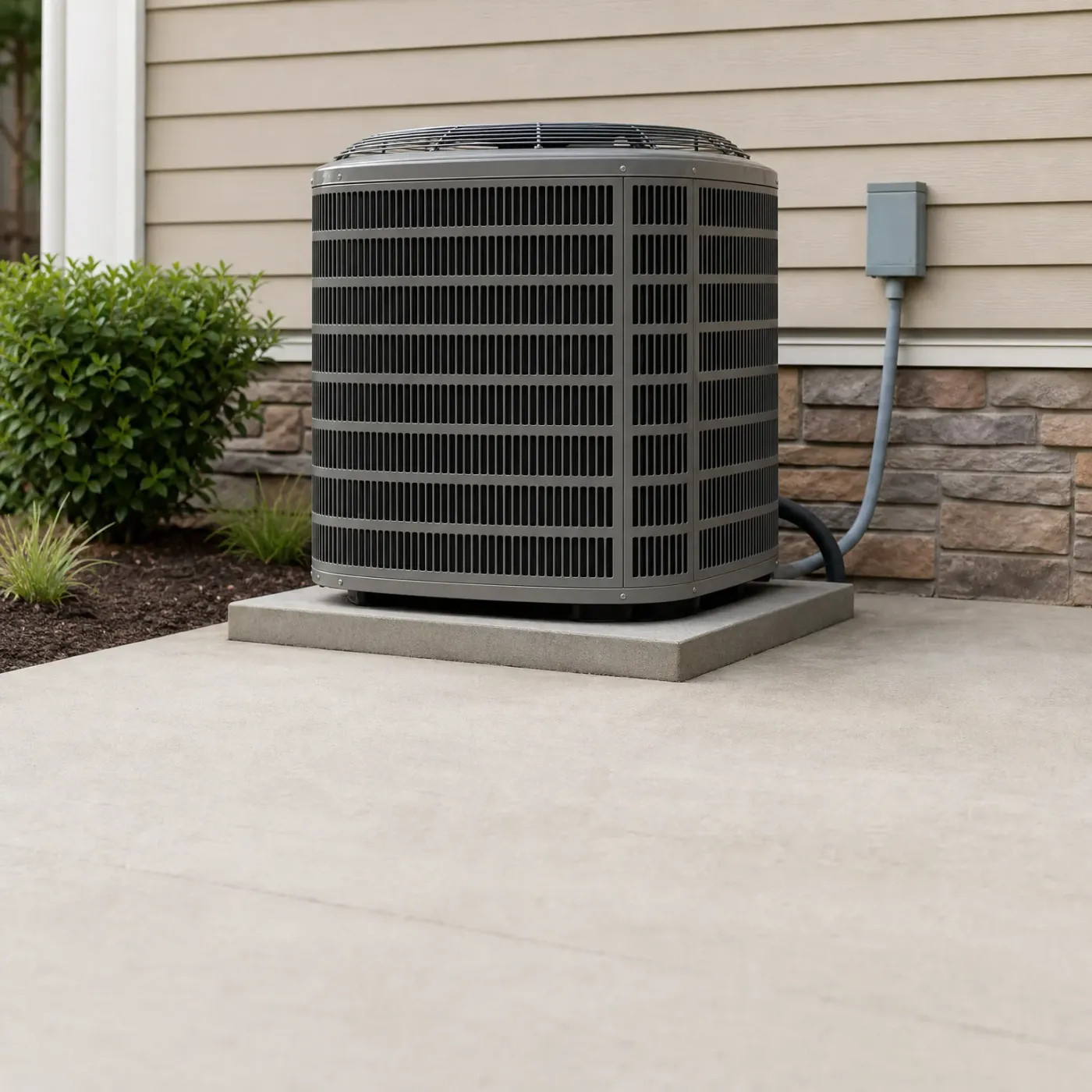
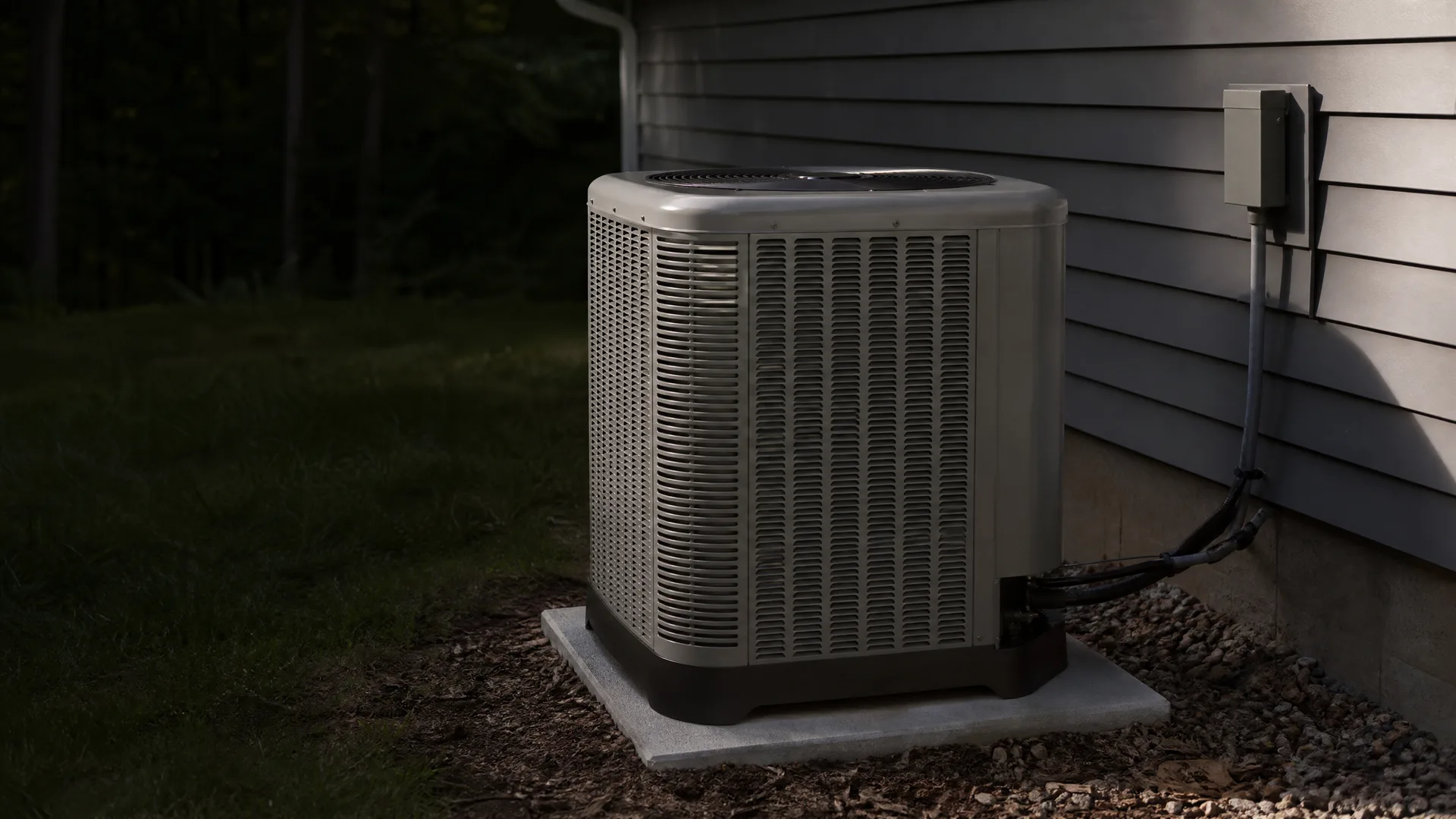
A variable-speed unit sitting on the pad like this is likely humming along at low speed, not cycling on and off. On a muggy afternoon that means steady airflow through the vents and a house that feels dry, not just cold.
Short-cycling
A single-speed unit that keeps shutting off and kicking back on within minutes is short-cycling. It cools the air fast each time but never runs long enough to pull the moisture out, so the house feels cold and damp at once. That's the wear a variable-speed compressor is built to avoid.
Power costs 15.40 cents per kilowatt-hour statewide
At 15.40 cents per kilowatt-hour, every hour your AC runs longer at low speed instead of blasting and shutting off keeps showing up on the bill. A variable-speed unit uses that steady, lower-speed run time to pull out humidity, so you're not tempted to drop the thermostat further to feel comfortable.
EIA-861 2025 statewide residential average
1
The thermostat calls for cooling and the control board checks indoor and outdoor conditions.
2
The compressor starts at its lowest stage instead of jumping to full speed.
3
The indoor blower ramps up to match the compressor's output.
4
The system holds that low, steady speed as long as the room stays near the setpoint.
Why does my house feel clammy even when it's cool enough
You set the thermostat to 72 and it gets there, but the air still feels heavy. Floors feel damp near the tile, towels in the bathroom won't dry, windows fog up when you cook. That's your single-speed system cooling the air fast and shutting off before it ever runs long enough to wring the moisture out of it. Left alone through another Texas summer, that extra humidity gives mold and mildew a place to start in closets, bathrooms and anywhere air doesn't move much, and it's harder on wood floors and trim than the heat alone would be. You're not imagining it, and it's not your thermostat reading wrong.
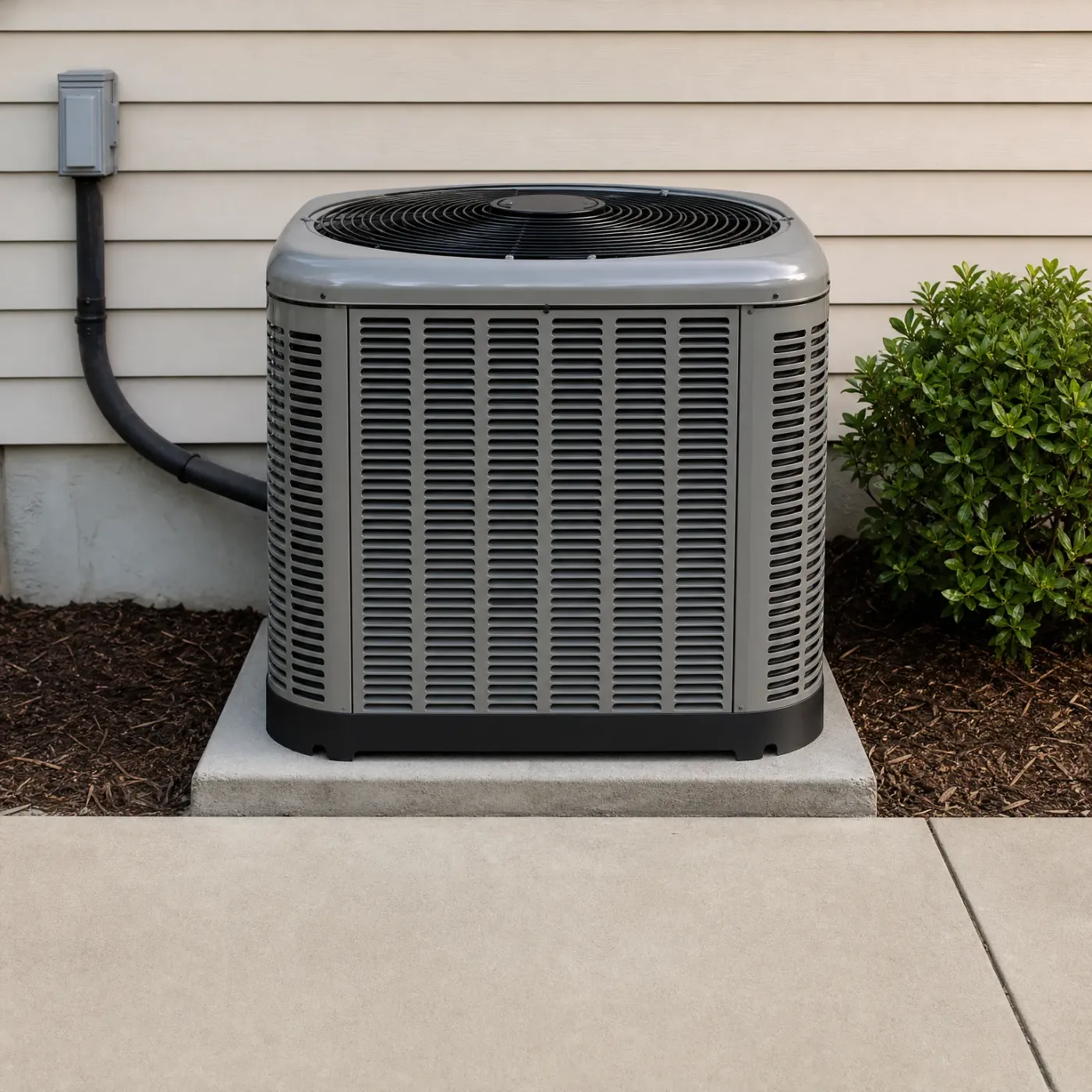
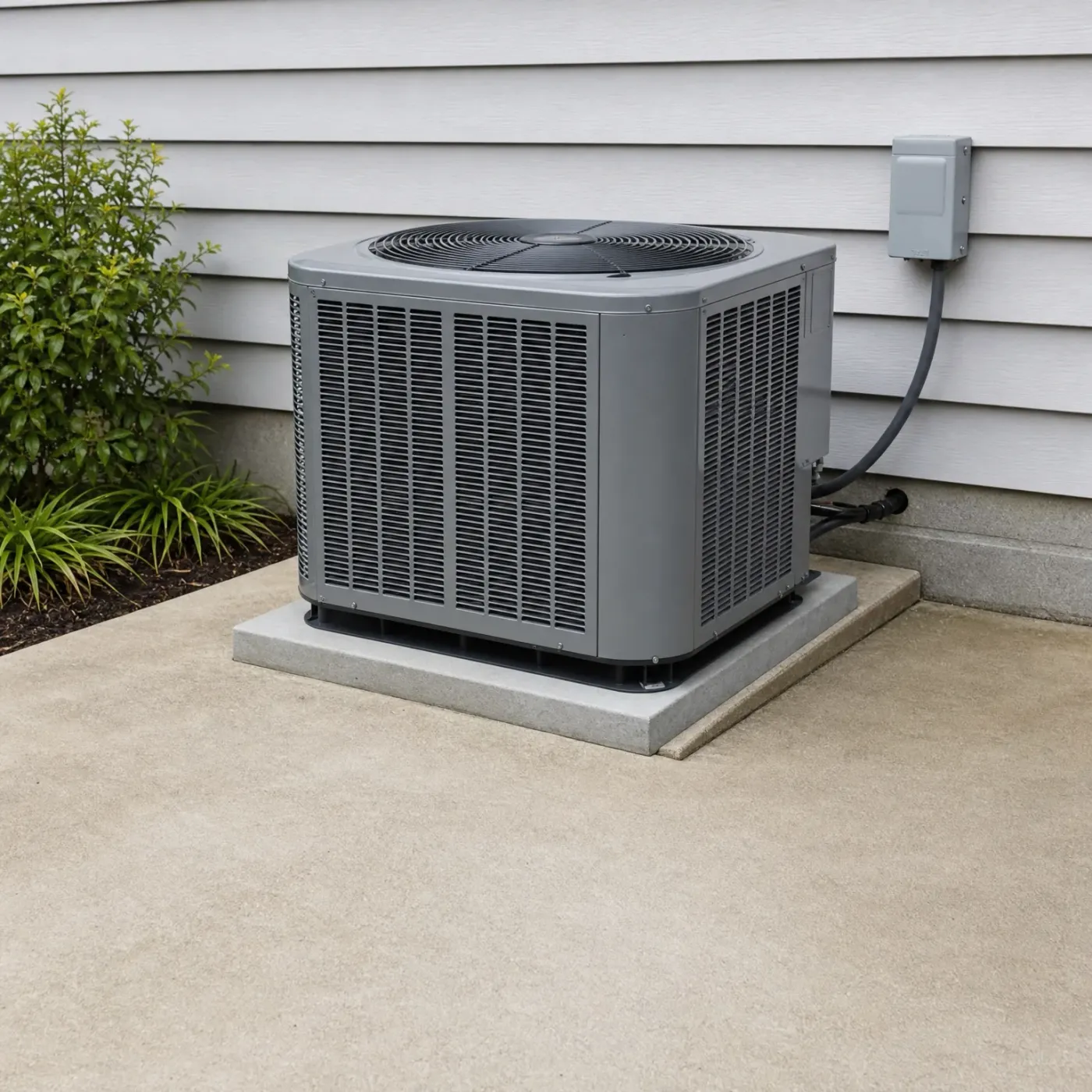
This one is doing its job
The pad is clean and the conduit runs straight to the disconnect. A unit kept clear like this can move the air it needs to. Whether it's single-speed or variable-speed, nothing here is blocking it from running the way it was designed to.
This one is working against itself
Leaves packed around the coil choke off airflow before the unit even gets started. A variable-speed system can't ease into a low, steady run like this. It's fighting for every bit of air, which is the opposite of what makes variable-speed worth the cost.
Variable-Speed vs Single-Speed AC
Variable-speed
Costs more to install than a single-speed system, and that difference doesn't show up on day one.
Runs on electronics that a single-speed system doesn't have, which means a control board or inverter to service down the road.
Pulls moisture out of the air through long, low-speed run times instead of short blasts, so the house feels dry at 72 instead of just cold.
Keeps airflow steady through the vents all day, so you're not noticing the system turning on and off.
Suits a homeowner who plans to stay in the house long enough for the humidity control to matter season after season.
Needs a contractor familiar with its controls, since setup affects how well it ramps between low and full speed.
Single-speed
Costs less upfront, with a simpler install and fewer parts that can fail later.
Cools the house fast on a 100 degree day, which is all some homeowners want from it.
Cycles fully on and off, so it often shuts down before it's pulled much moisture out of the room.
Can leave floors feeling damp and windows fogging up even once the thermostat number is hit.
Runs the same way whether it's May or August, with no adjustment for how muggy the air actually is.
Works fine for a homeowner who's not planning to stay in the house long enough to recover the cost difference.
Average the whole state out and summer dew point here sits at 68°F, according to NOAA climate data. That's heavy air, the kind where sweat doesn't dry off your skin and shirts stick to your back the second you step outside. Your air conditioner has to pull that moisture out of the house, not just cool it down. A single-speed unit blasts the air cold, hits the setpoint, and quits before it's done much about the dampness. A variable-speed one keeps moving air at low speed well after the room's cold, which is what actually dries the house out. Without that, floors feel damp and windows fog up even with the thermostat reading 72.
NASA POWER T2MDEW county cells weighted by homes
A variable-speed AC earns its keep in Texas air
A variable-speed system runs longer at low speed, and that's what pulls the moisture out of your house instead of just the heat. A single-speed system gets the house cold and shuts off, and the dampness stays behind. That difference is why most Texas homes come out ahead with variable-speed, even with the higher install cost up front.
Picking the right unit for your house still depends on things specific to your attic, your ductwork, and the size of the space you're cooling, and that's not something to guess at. Instead of calling around to different installers and explaining your situation over and over, you can get matched with a contractor who installs these systems and knows how to size one for a home like yours. They'll reach out to you directly, so you're not stuck comparing quotes from strangers who never saw your house.