Runs low stage most of the time
A single-stage unit has one setting: full blast. It cools the house fast, then shuts off, then starts again. That cycling is what wears on parts and leaves the air inside feeling damp.

Yes, for most Texas homes a two-stage AC is worth the cost. Summers here mean the system runs for months at a time, not just a few weeks, and a single-stage unit spends that whole stretch either blasting at full power or shut off. A two-stage system has a low setting it can run on most of the time, cycling less and pulling less humidity-heavy air through in short, inefficient bursts. That matters more in Texas than in a drier state, because a unit that runs longer at low output pulls more moisture out of the air than one that shuts on and off fast. The tradeoff is upfront cost: two-stage units cost more to install than single-stage ones. For a house you're keeping up, the quieter, steadier run time and the lower humidity indoors are usually worth paying for, especially if your current system struggles to keep up through August.



Most of the time, the compressor doesn't need to work at full power. It settles into a lower stage, somewhere around 60 to 70 percent, and stays there for long stretches rather than firing up and shutting off. Running at that slower pace, the blower pushes air across the evaporator coil more gradually, which gives the coil more time to pull moisture out before the cycle ends. That matters in a place where the air itself carries so much water. A single-stage unit hits the target temperature and shuts off right away, so the thermostat reads fine while the air still feels damp. The low stage also keeps the blower moving steadily, which spreads cooled air through the house more evenly instead of leaving some rooms colder than others right after a cycle. It only steps up to full power on the hottest part of the afternoon, when the lower stage can't keep pace. Getting this to work right depends on a thermostat built to call for two stages, matched to the outdoor unit.


A single-stage unit has one setting: full blast. It cools the house fast, then shuts off, then starts again. That cycling is what wears on parts and leaves the air inside feeling damp.
Your AC may run from April into October here. A system that spends most of that stretch at a lower, steadier output is built for a season that long, not just a few hot weeks.
If your single-stage AC is cycling on and off all afternoon, or running from noon until almost dark without much break, that's the strain a Texas summer puts on it. You might notice the air feels cool but sticky, especially by evening, because a full-blast system cools the room fast and shuts off before it has pulled much moisture out of the air. You might also notice the thermostat swinging a few degrees between cycles, or one room staying warmer than the rest. None of that means the unit is failing. It means it's working the only way a single-stage compressor can. Left alone for years, that constant full-power cycling is what wears down a compressor and a blower motor faster than steady, lower-speed running would.
A single-stage AC isn't a bad unit. It costs less upfront, and the parts inside are simple, which can mean fewer things to fix down the road. If you're in a smaller house, or one with good shade and decent insulation, a single-stage system might keep up fine without much short cycling. Some homeowners just want the lower price and don't mind the on-off pattern, especially if they don't plan to stay in the house for many more years.
A two-stage system pays off most in a house that runs the AC long hours, day after day, through a Texas summer. If your home has rooms that never cool evenly, or if humidity leaves floors and windows damp no matter what the thermostat says, the low stage's slower airflow and longer runtime tends to fix both. It also matters if you plan to stay in the house long enough for steadier wear on the compressor to count for something.
Your request stays with one local pro.
You're not committing to anything by asking.
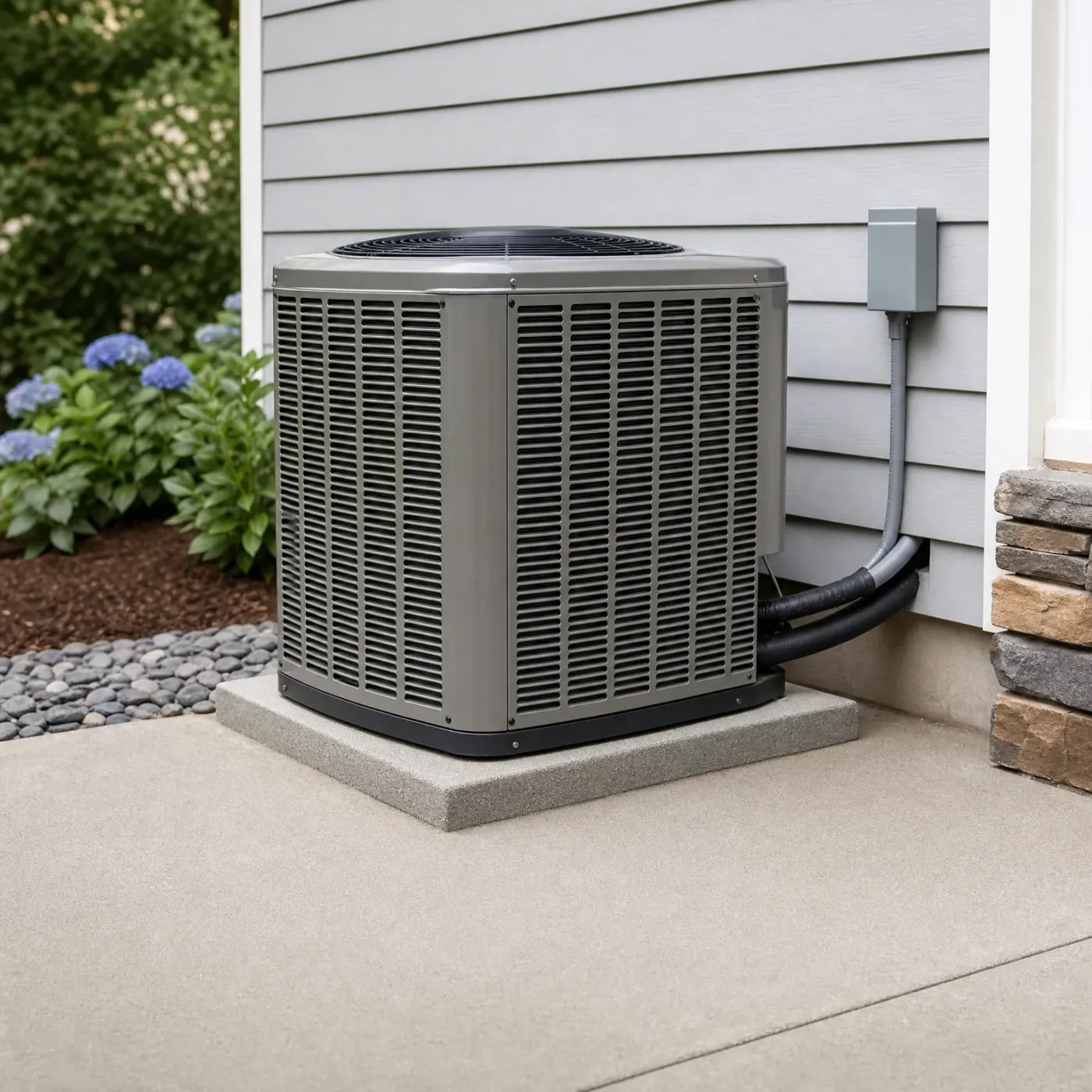
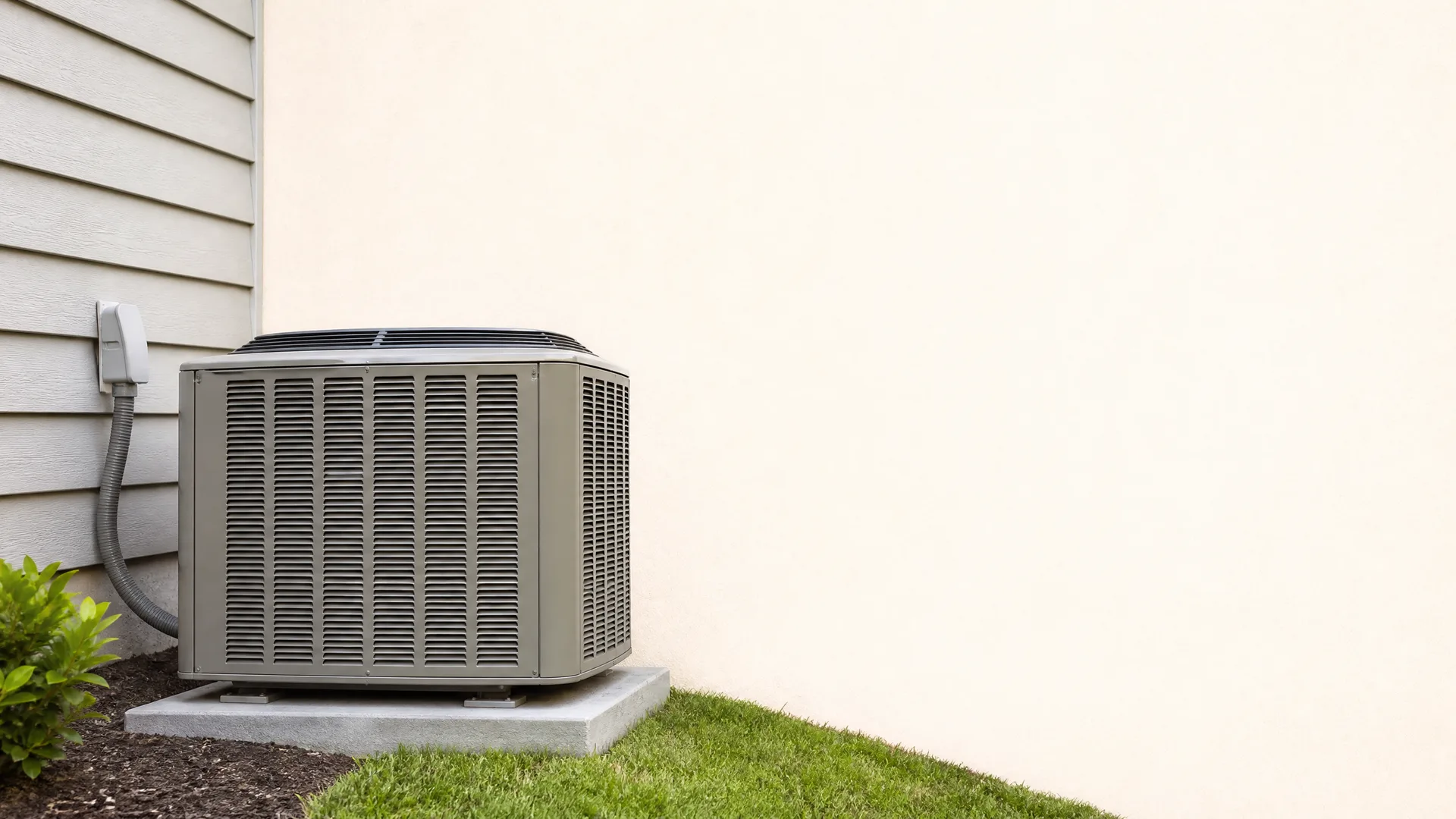
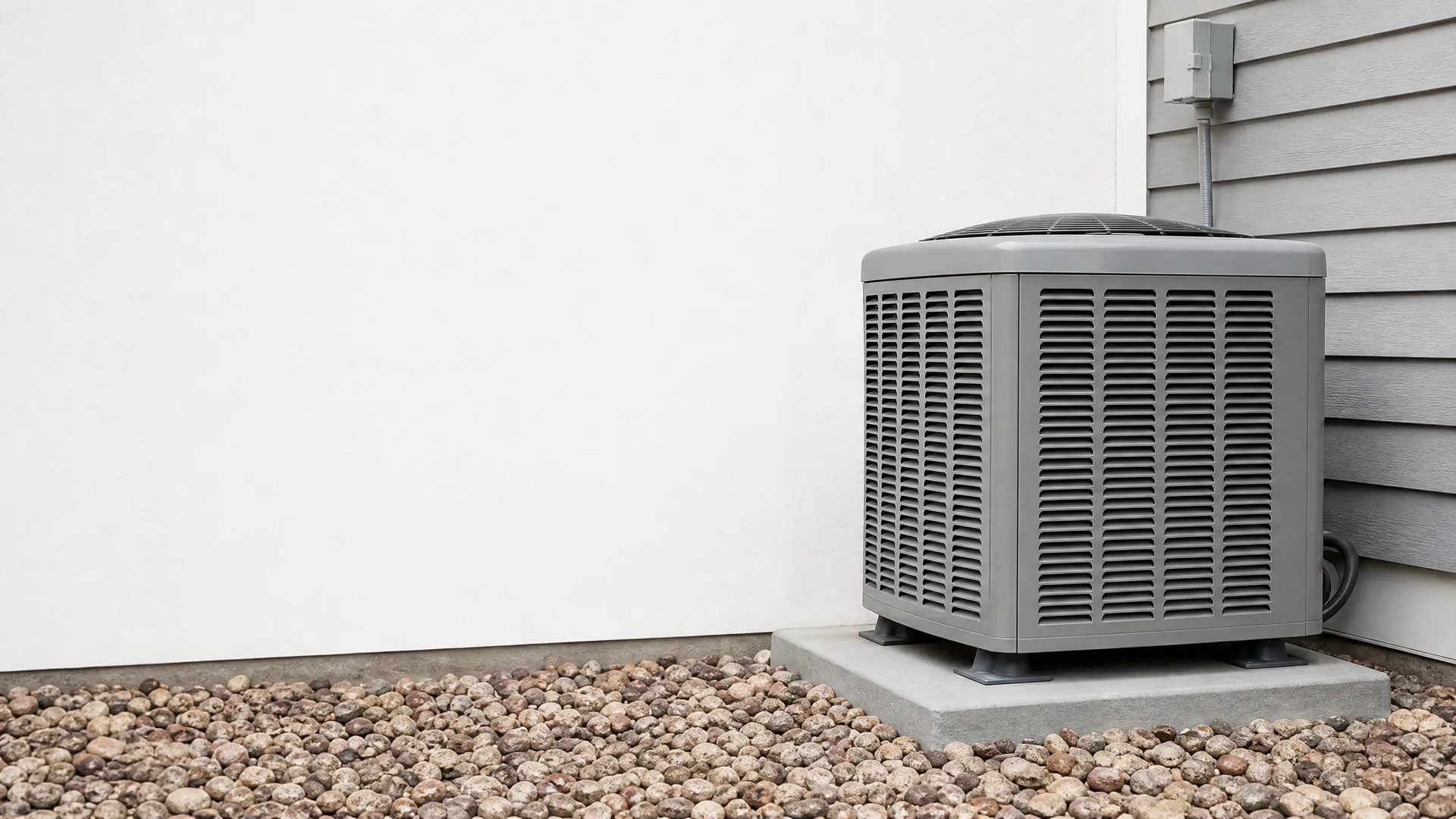
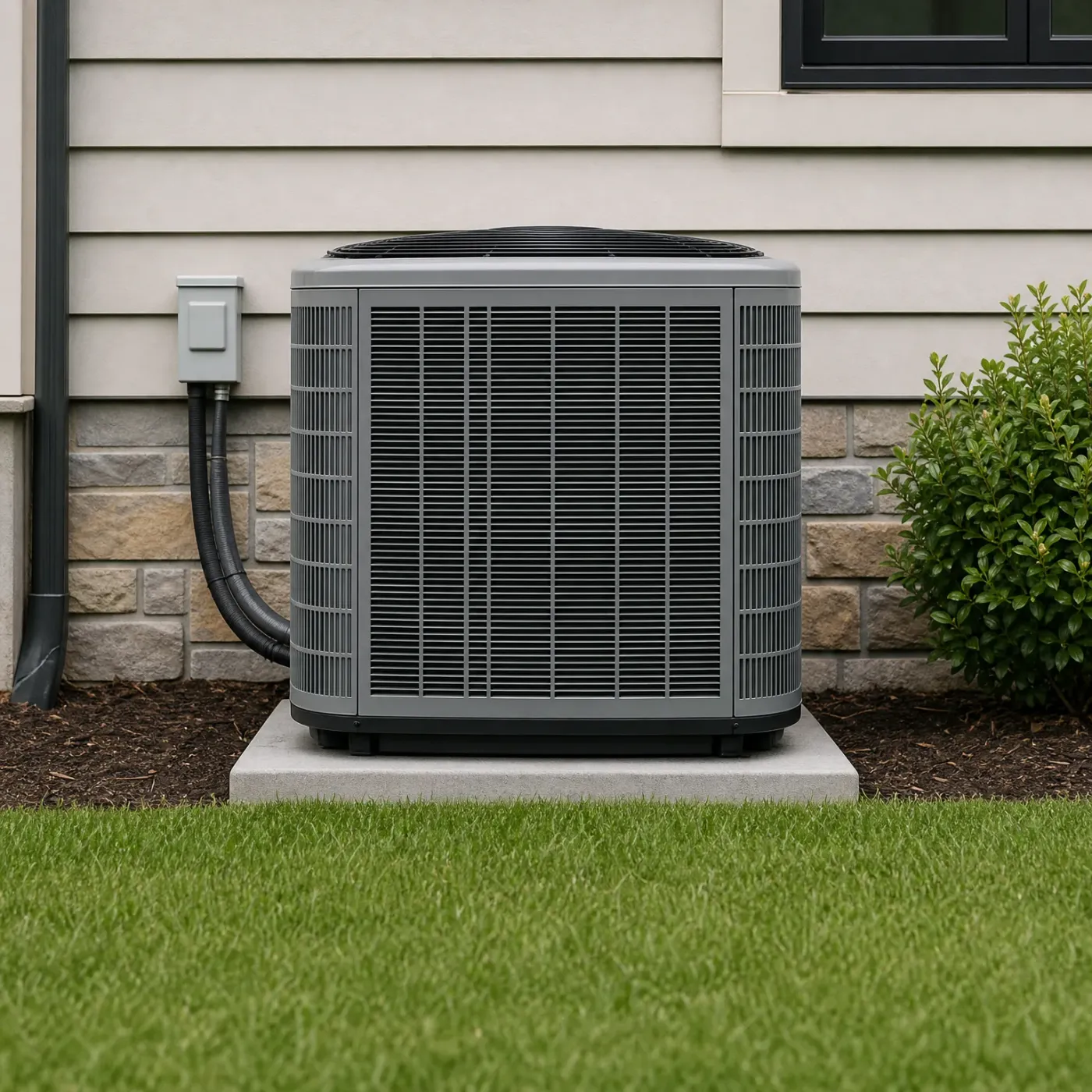
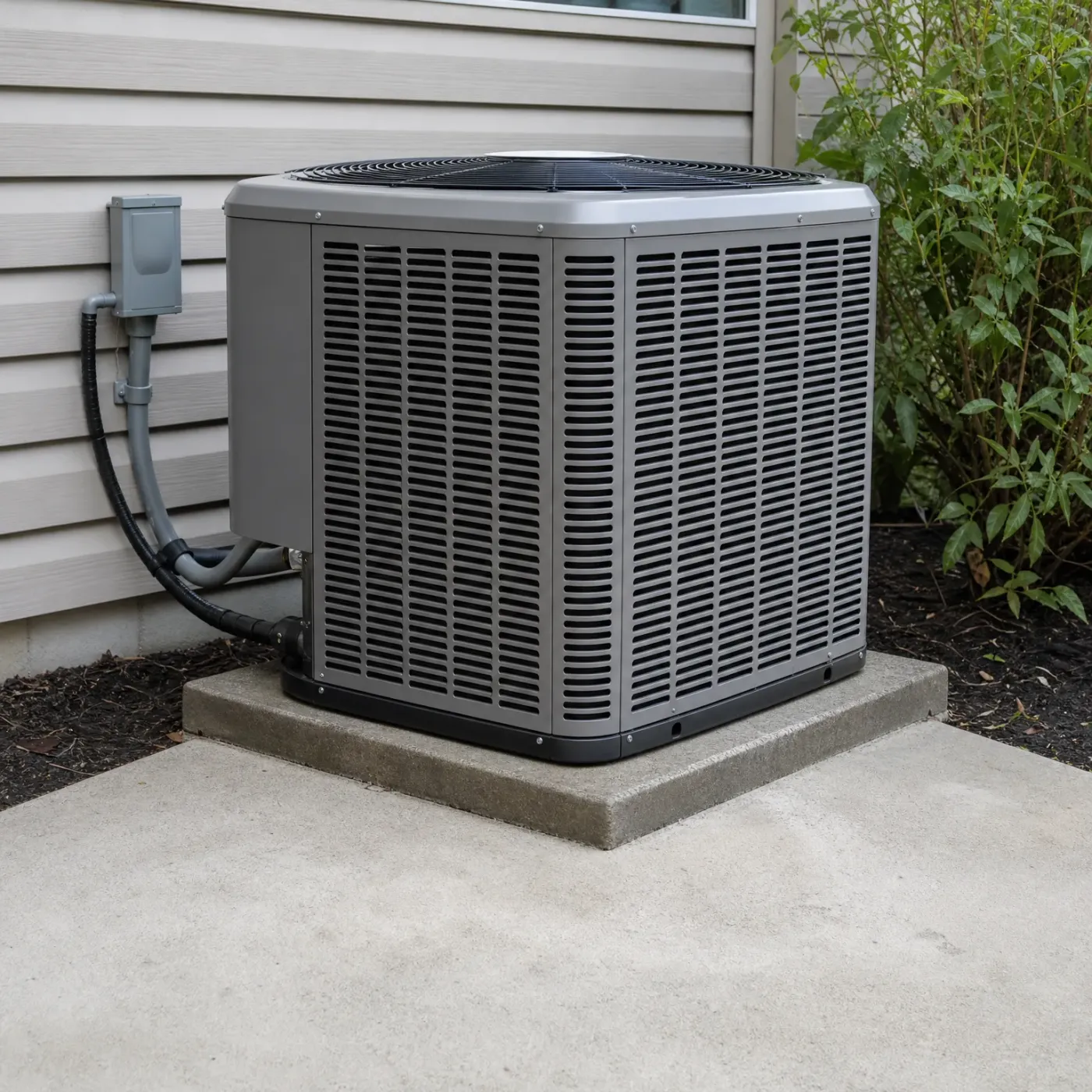
This condenser sits clean on its pad, lines running straight into the wall, disconnect box mounted and clear. Nothing rusted, nothing caked with dirt. A unit in this shape has what it needs to run a two-stage compressor the way it's meant to be run.
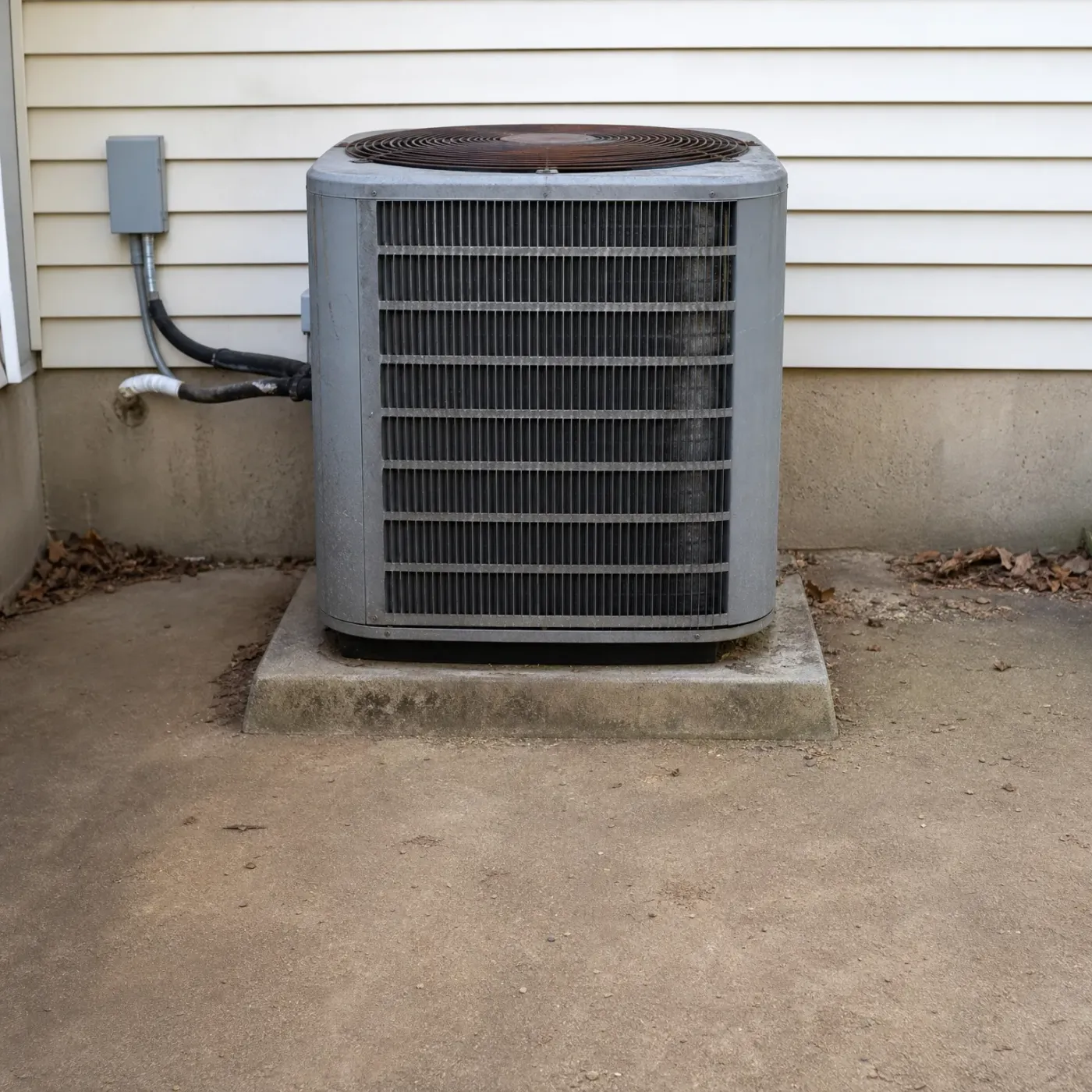
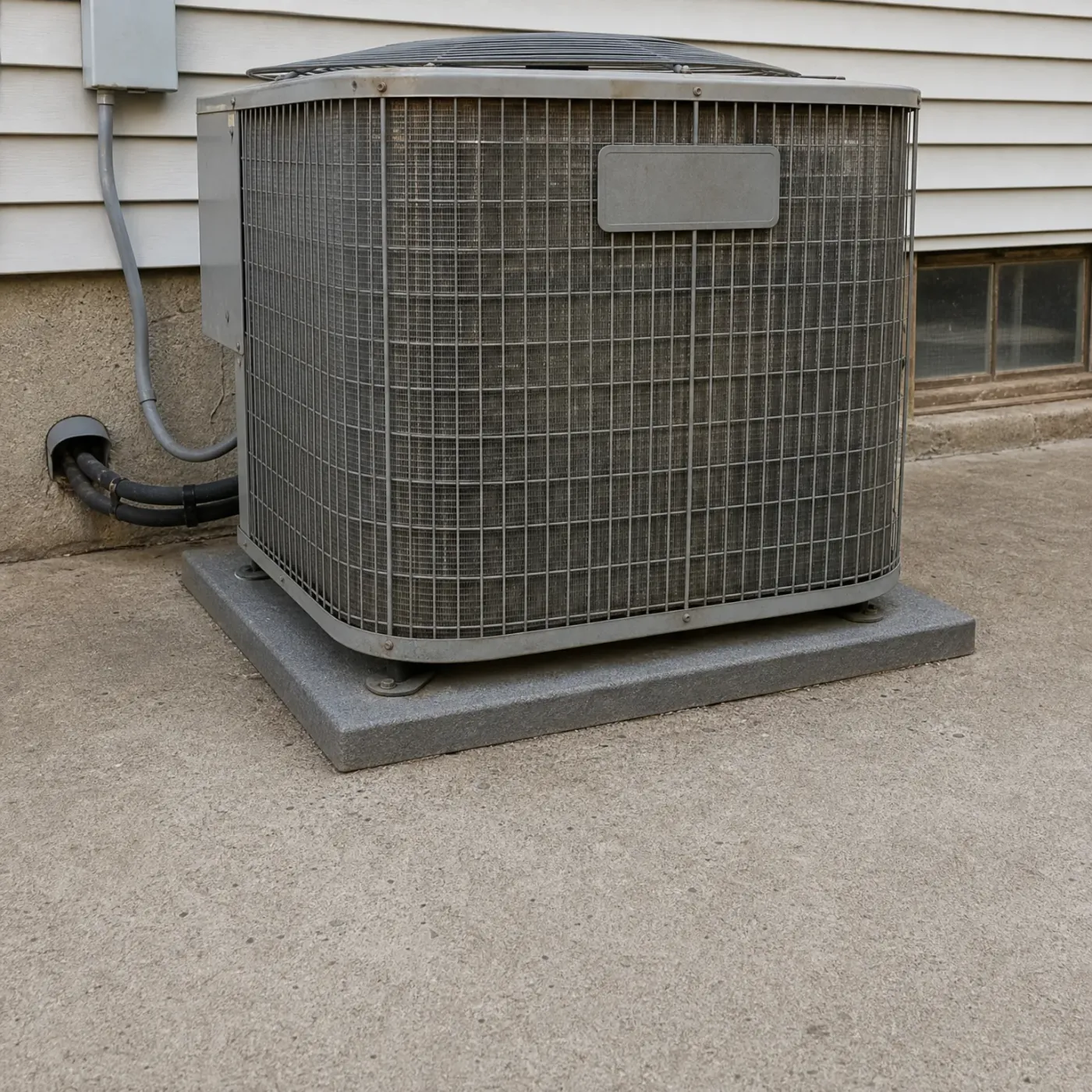
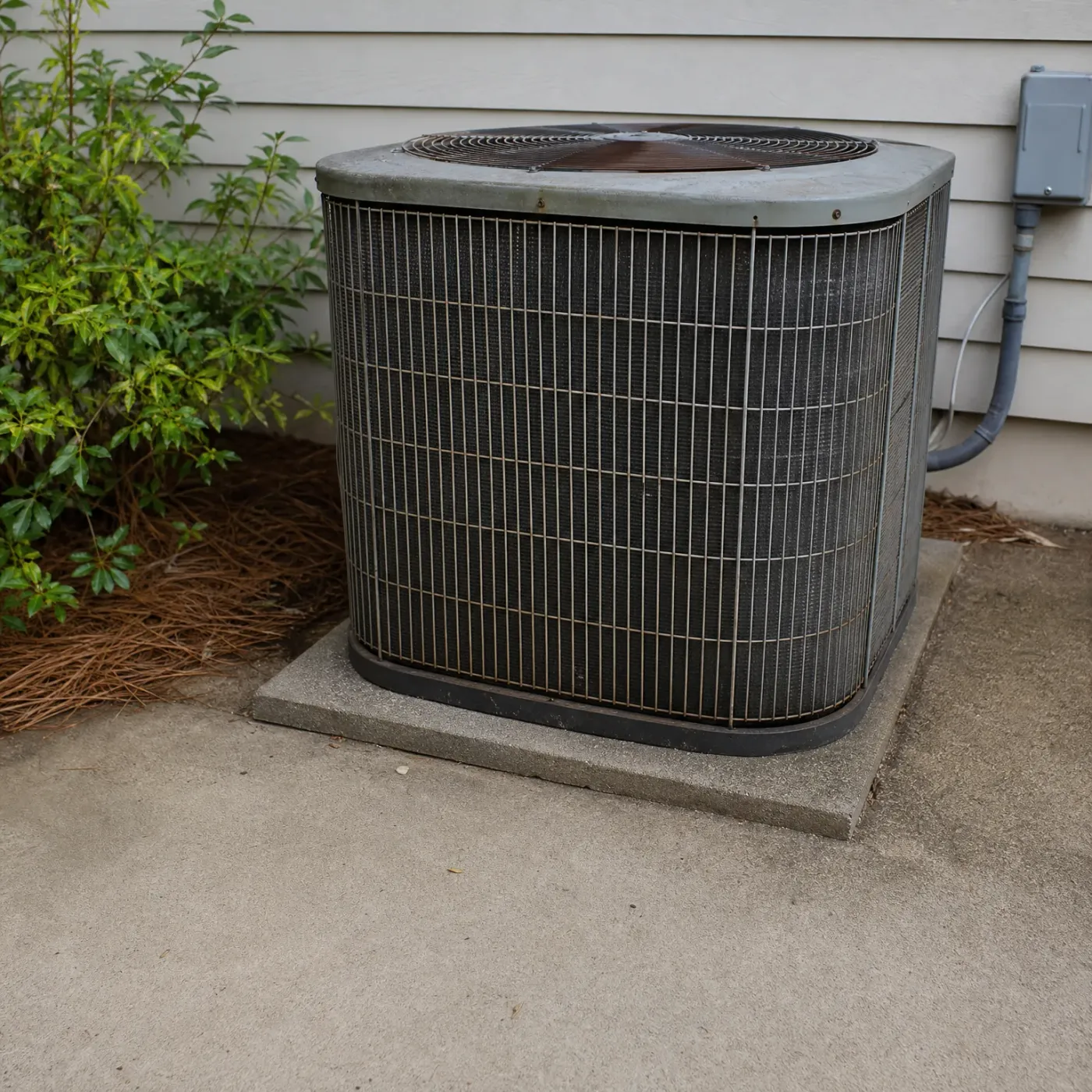
Rust on the fan shroud, dirt packed into the fins, an older cabinet that's been outside through a lot of Texas summers. A single-stage unit in this shape is working harder than it should just to keep the house cool, and that's the one worth replacing with a two-stage system.
At 15.40 cents per kilowatt-hour, every hour your AC spends blasting at full power costs more than an hour at low stage. A two-stage unit spends most of a Texas summer in that cheaper low setting, so the difference shows up directly on your bill.
EIA-861 2025 statewide residential average
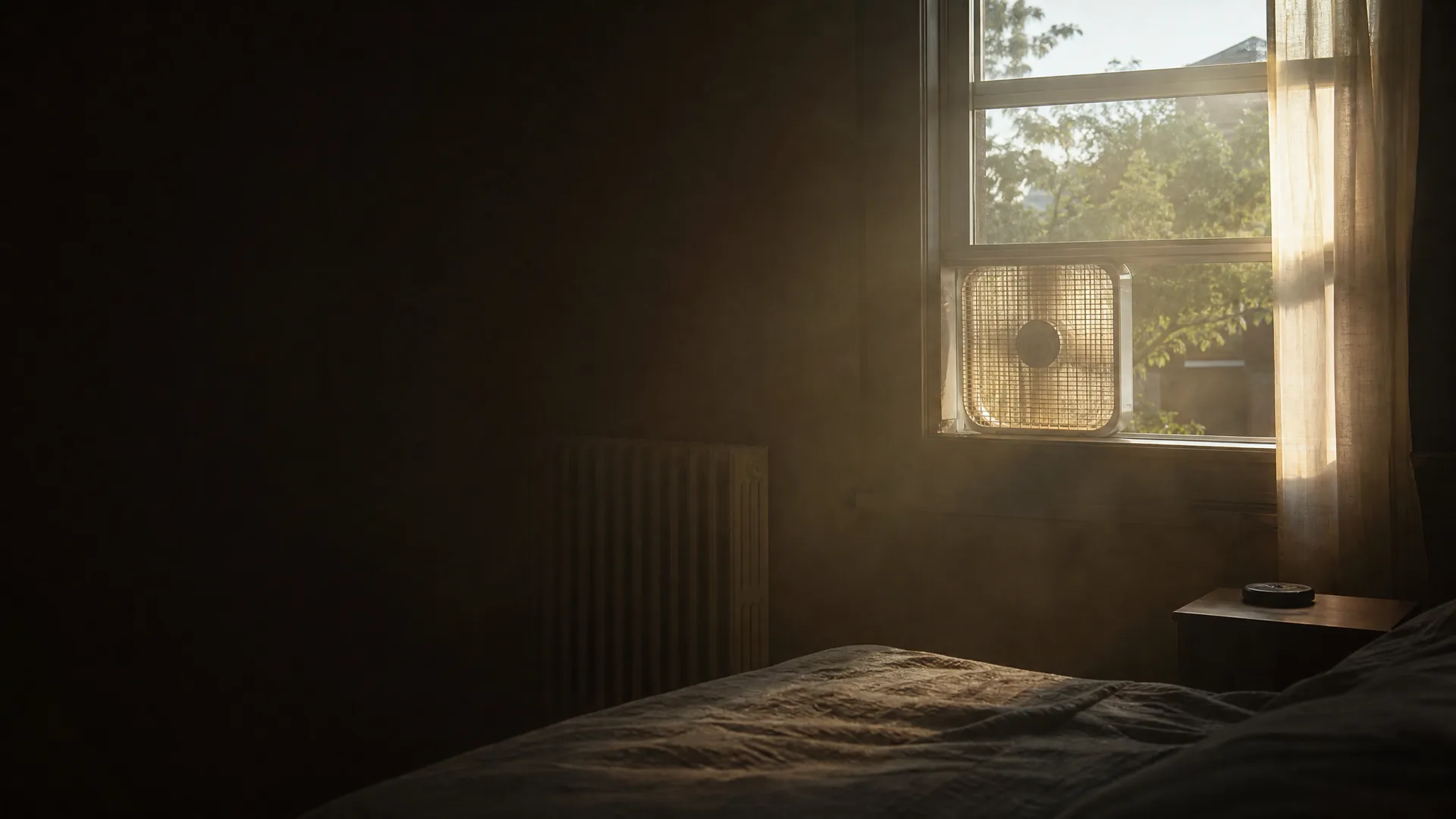
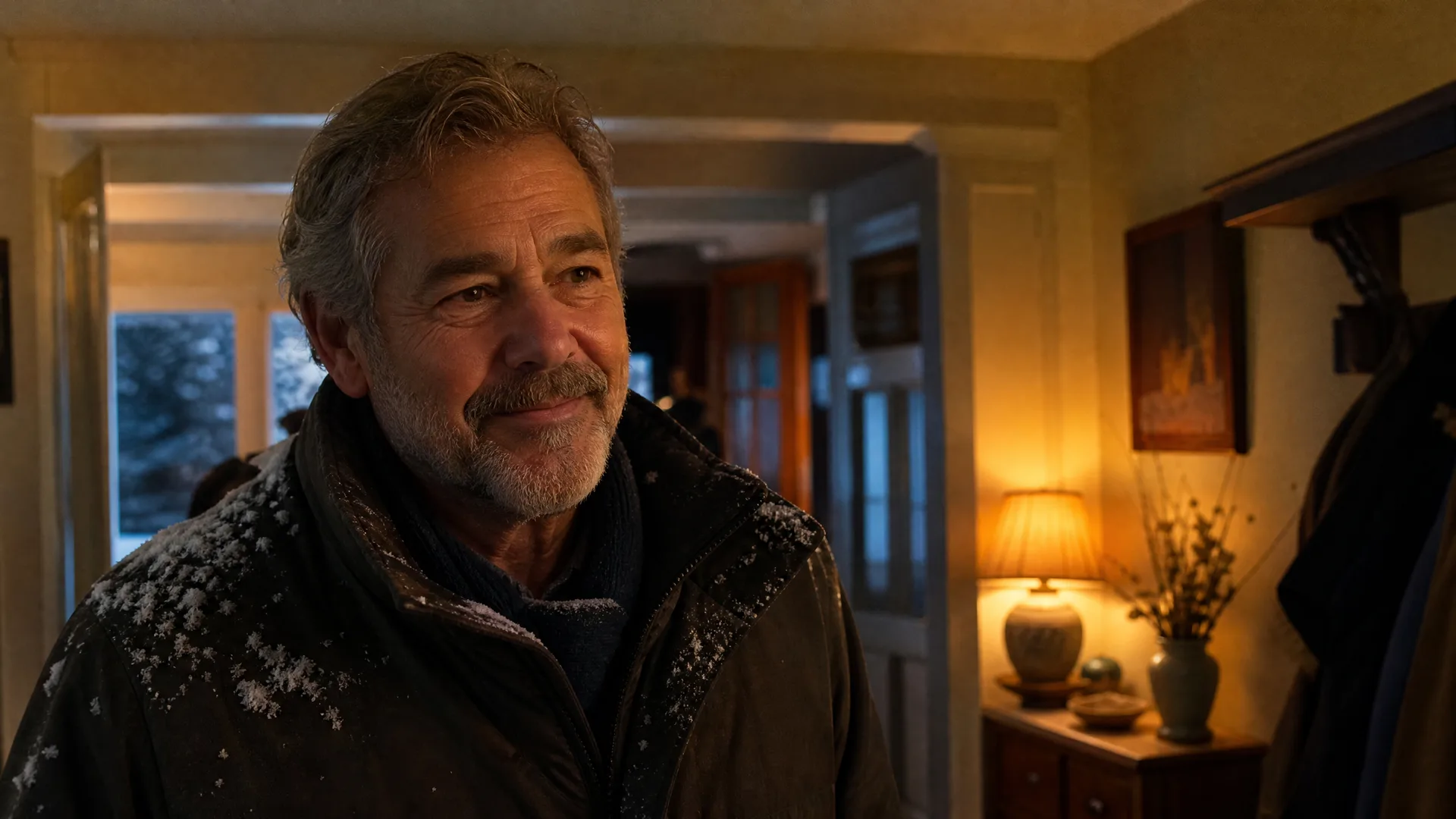
It's past eight and still ninety-some degrees. Upstairs, the bedroom hasn't let go of the afternoon. A box fan sits wedged in the window, pulling in air that isn't much cooler than what's already in the room, and the hum of it is the only thing covering the sound of the AC kicking on downstairs. The sheets feel damp. You can hear the unit running, hard, the way it's run most of the day, and the room still has that thick, used-up feel to it. You lie there waiting for the air to catch up, knowing it'll shut off soon, and start again before you fall asleep.
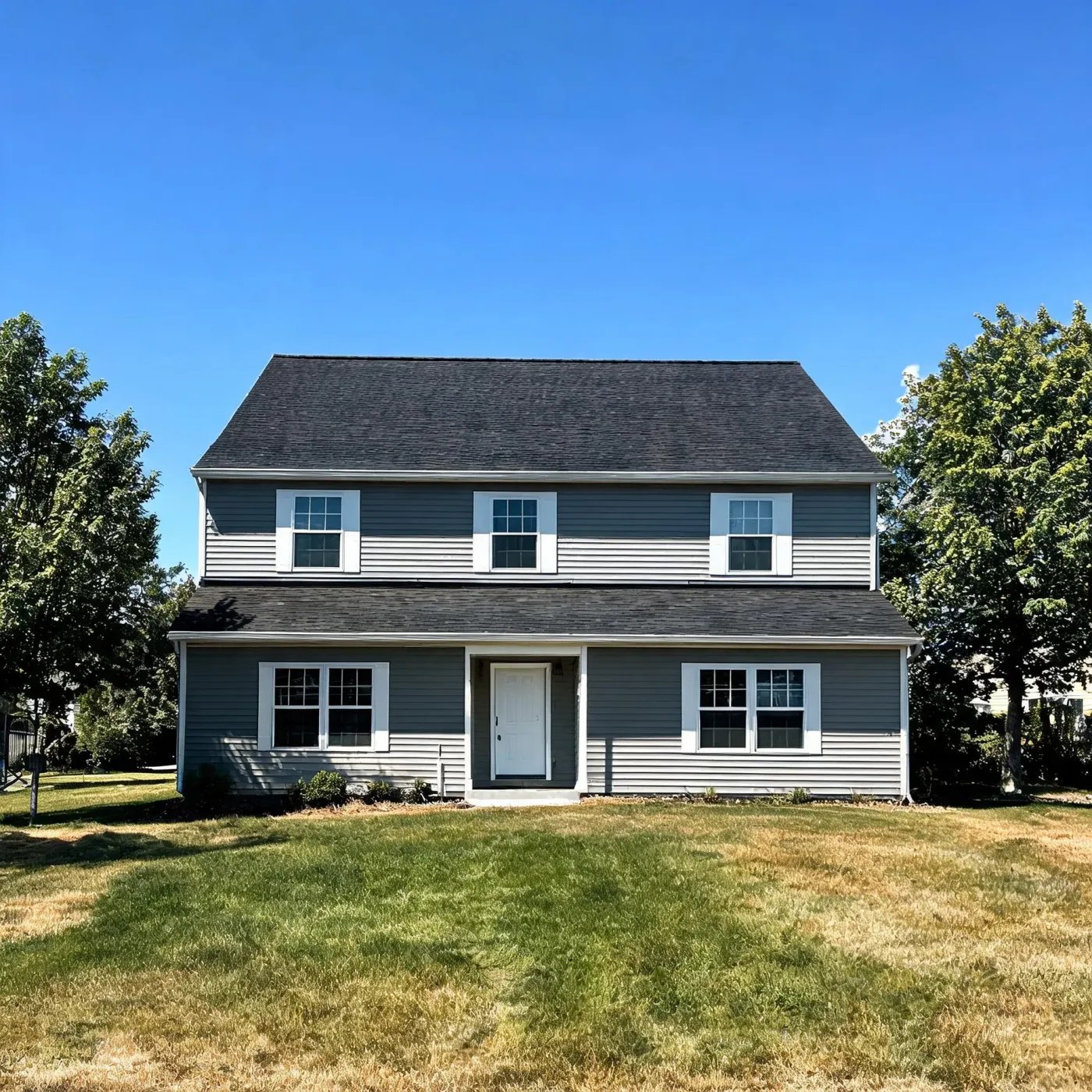
Across Texas, the summer dew point averages 68°F over June, July and August, based on weather data for where homes in the state sit. That's the number that tells you how heavy the air feels, not just the temperature. Air that sticky holds onto moisture, and your AC has to pull more of it out before the house actually feels dry. A single-stage unit cools the air fast and shuts off, leaving a lot of that moisture behind. Running at low stage longer, the way a two-stage system does, gives the coil time to wring more water out of the air passing over it. That's the difference between a house that's cool and a house that's cool and dry.
NASA POWER T2MDEW county cells weighted by homes
You've read that two-stage means low stage most of the time and full power on the hottest afternoons, but you're picturing a dial or a switch somewhere, and you want to know what's actually making that call. It's not something you set and it's not something the thermostat guesses at blindly. There's a real control behind it, and knowing how it works tells you whether the system installed in your house is actually going to use that second stage the way it's supposed to.
A two-stage thermostat starts every cooling call on low. If the house cools down to the set temperature within a certain run time, low stage was enough and the system shuts off there. If the indoor temperature keeps climbing, or low stage runs past that window without catching up, the thermostat calls for high stage and the compressor shifts to full capacity. On a hundred-degree Texas afternoon, that shift can happen within minutes of the call starting. On a milder day, or overnight, low stage might run the entire cycle and never need the second stage at all. The thermostat has to be set up for two stages for this to work, which is part of why the install matters as much as the equipment.
Thermostat calls for cooling and the compressor starts on low stage
Low stage runs the compressor at partial capacity for steady cooling
A sensor tracks indoor temperature against the thermostat setting
If low stage can't keep up, the control board shifts to high stage
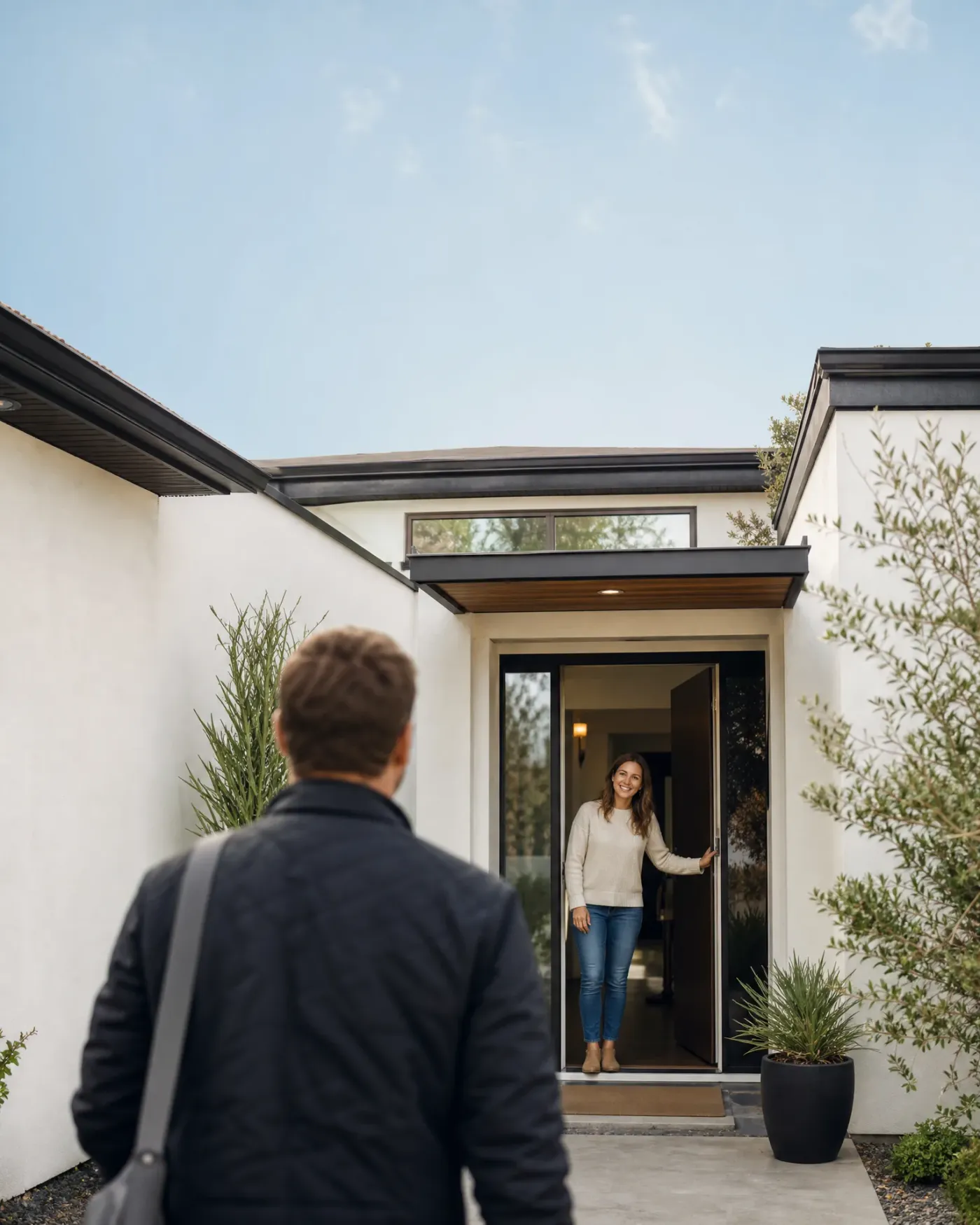
For a Texas summer, it holds up. The long stretch of low-stage running, the better grip on humidity, the gentler wear on the compressor, all of it comes back to the same thing: your system is working with the heat instead of just fighting it for months straight. Whether it's worth it for your house comes down to how your current unit is handling things now, and that's worth a second look before you decide.
If you're ready to find out what fits your house, a licensed contractor in your area who installs these systems every summer can look at your current setup and tell you straight whether a two-stage unit makes sense for it. You'd hear from one contractor, not a handful, someone who already knows the kind of heat and humidity your equipment is up against here and what tends to go wrong with it.

Your request goes to one pro, not a list of companies.
It costs nothing to send, and you don't have to hire anyone.