How to lower your AC bill in a Texas summer

Step 1 of 3: Equipment

How do I lower my AC bill in a Texas summer?

Your AC runs most of the day through a Texas summer, and the bill shows it. Before you start changing habits or buying a new thermostat, it helps to know what actually moves the number: how hard the unit has to work to pull moisture out of the air and keep up with the heat, and whether it's running clean or straining to do a job it used to do easily.

Keep the system maintained and raise the thermostat a few degrees

An AC that's clean and properly charged uses less power to move the same amount of heat out of your house. Dirty coils, a weak capacitor, or a low refrigerant charge all make the unit run longer to reach the same temperature, and that extra runtime is what shows up on the bill. Humidity here means your system isn't just cooling the air, it's wringing water out of it too, so a unit working below its normal capacity costs you more on a humid day than it would somewhere dry. Setting the thermostat a degree or two higher, especially when no one's home, cuts runtime directly. Maintenance keeps the rest of the system from quietly costing you more than it should.

A gray-haired bearded man in a dark coat and scarf dusted with snow stands smiling in a dimly lit entryway with a white front door, a side table with a lit lamp, an oval mirror, and a patterned rug.
An older bearded man in a dark snow-dusted coat and gray scarf stands just inside a dimly lit home entry, with a framed picture, lit table lamp, and an adjoining room with a fireplace behind him, and snow visible through the open door.
A gray-haired, bearded man in a dark snow-dusted coat stands smiling in a dimly lit entry hall with a staircase, a lit table lamp, a framed picture, and a living room visible through a doorway.
An older man with gray hair and a beard, wearing a dark jacket dusted with snow, stands smiling in a dimly lit hallway with lamps and a living room visible behind him.

Maintenance now or a bigger bill later

Skip maintenance

  • A dirty coil or a clogged filter makes the compressor run longer to move the same amount of heat out of your house.
  • You find out something is wrong when the bill jumps or the house won't cool past 4 in the afternoon.
  • A refrigerant leak goes unnoticed until the unit is running nearly all day and still losing ground.
  • Dust builds up on the blower wheel and the coil, and the system moves less air without you seeing why.
  • Small issues like a weak capacitor or a drain line starting to clog turn into a breakdown in August.

Keep it serviced

  • A technician checks refrigerant charge and cleans the coil, so the unit removes heat the way it was built to.
  • Catching a failing capacitor or a worn contactor in spring means it gets replaced before it quits in July.
  • A clean filter and clear drain line let the system move the air it's supposed to move, without the compressor straining.
  • You get a look at the whole system once, instead of guessing which part is driving the high bill.
  • Regular visits mean the unit is already set up to handle 95 degree days before they show up.
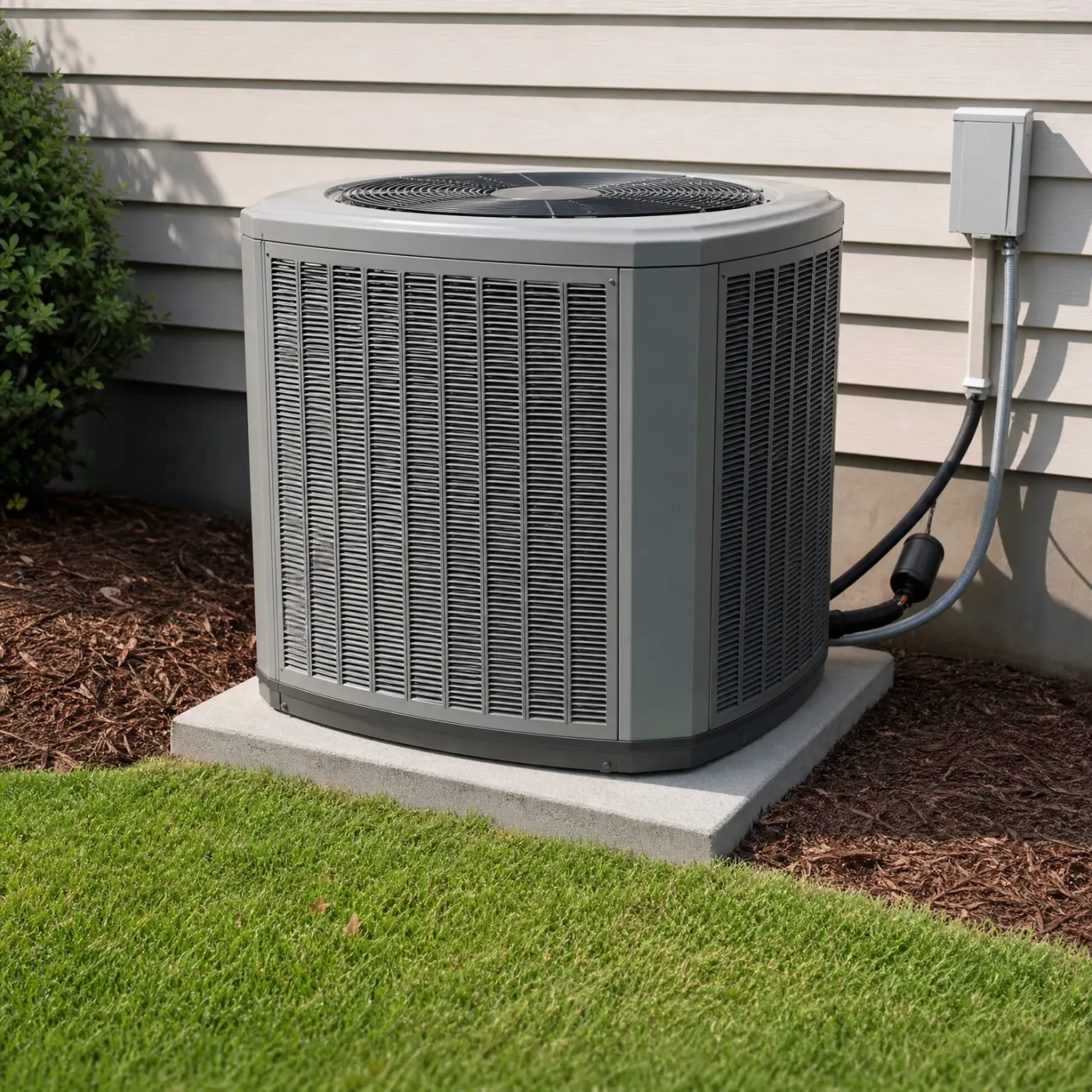
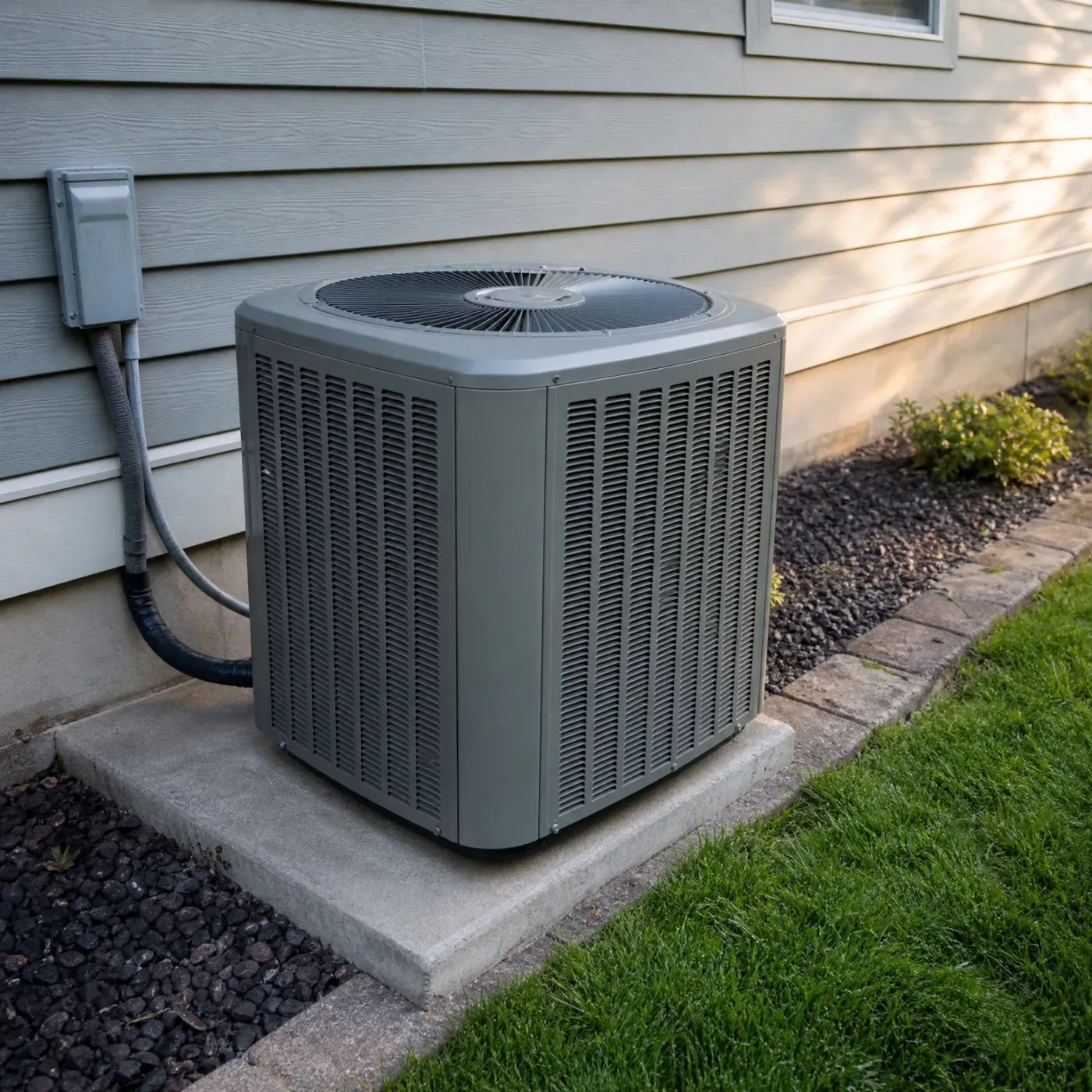
A gray outdoor air conditioner condenser unit on a concrete pad beside a house with horizontal lap siding, with a wall-mounted disconnect box and conduit, mulch bed, shrub, and lawn nearby.

Clean coil, steady bill

This is what a unit running the way it should looks like. The coil behind that panel is clear, the pad is clean, and the lines running up to the disconnect aren't doing extra work. It pulls heat out at the rate it was built for, and your bill reflects that, not a system straining to keep up.

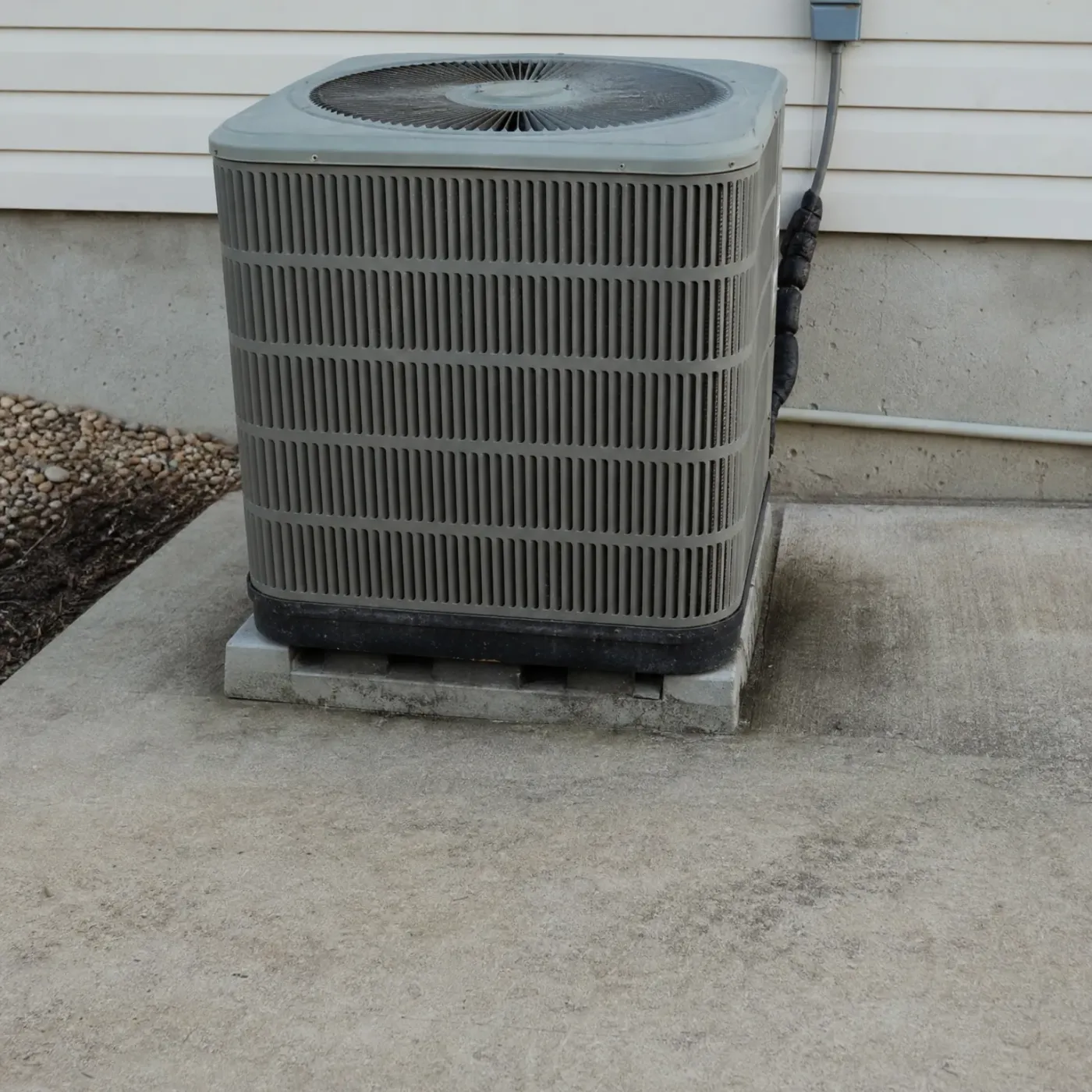
An outdoor air conditioner condenser unit sits on a gray pad beside a light vinyl-sided wall, on a concrete slab next to a gravel bed.

Same unit, working harder

From outside this one looks fine too. But a coil packed with dust or a low charge makes the compressor run longer for the same result. You won't see it. You'll feel it when the house is slow to cool, and you'll see it on the bill before you see it on the unit.

A smiling man in a denim shirt and white t-shirt stands in an open dark doorway of a stucco house, facing a woman with long brown hair and a green jacket seen from behind in the foreground.

What this is costing you right now

If nobody has looked at your unit this year, you're probably paying for air you don't feel. A system working harder than it should runs longer to hit the same temperature, and that shows up on next month's bill before it shows up anywhere else. The house still cools. It just costs more to get there, and most people don't notice until the number is high enough to ask why.

Finding out what's going on means calling around, explaining your system to three different companies, and comparing quotes that don't line up. You don't have to do that part. Tell us what's going on with your AC and you'll be matched with a contractor who handles Texas summers for a living, and they'll reach out to you directly to look at what your unit actually needs.

A gray upholstered sofa with a matching cushion sits beside a potted plant and a wooden table holding a small green plant in a stone pot, near a curtained window.
  1. Refrigerant in the coil pulls heat out of the air inside your house.

  2. A dirty coil makes the compressor run longer to move that same heat.

  3. The blower pushes air through the filter and across the coil to cool it.

  4. A clogged filter slows that airflow and forces the system to run longer.

A woman wrapped in a thick beige fleece blanket sits on a sofa with an open book on her lap, beside a lit table lamp, with a frost-covered window behind her.
A gray-haired woman in a cream knit sweater stands in a dimly lit kitchen at night, looking to her right, with a round loaf of bread in the foreground and a dark window and potted plant behind her.

A pro who works on air conditioners

Fill out one form instead of calling around for an air conditioner tune-up.

Asking costs nothing, and the choice to hire stays yours.

A compressor pulling more current to do the same job runs hotter, and heat is what wears out a compressor early. The strain shows up in the electric bill long before the unit quits.

A system that isn't straining to cool your house runs cooler, pulls less current, and lasts longer doing it. That's the difference a cleared coil and a clear filter make.

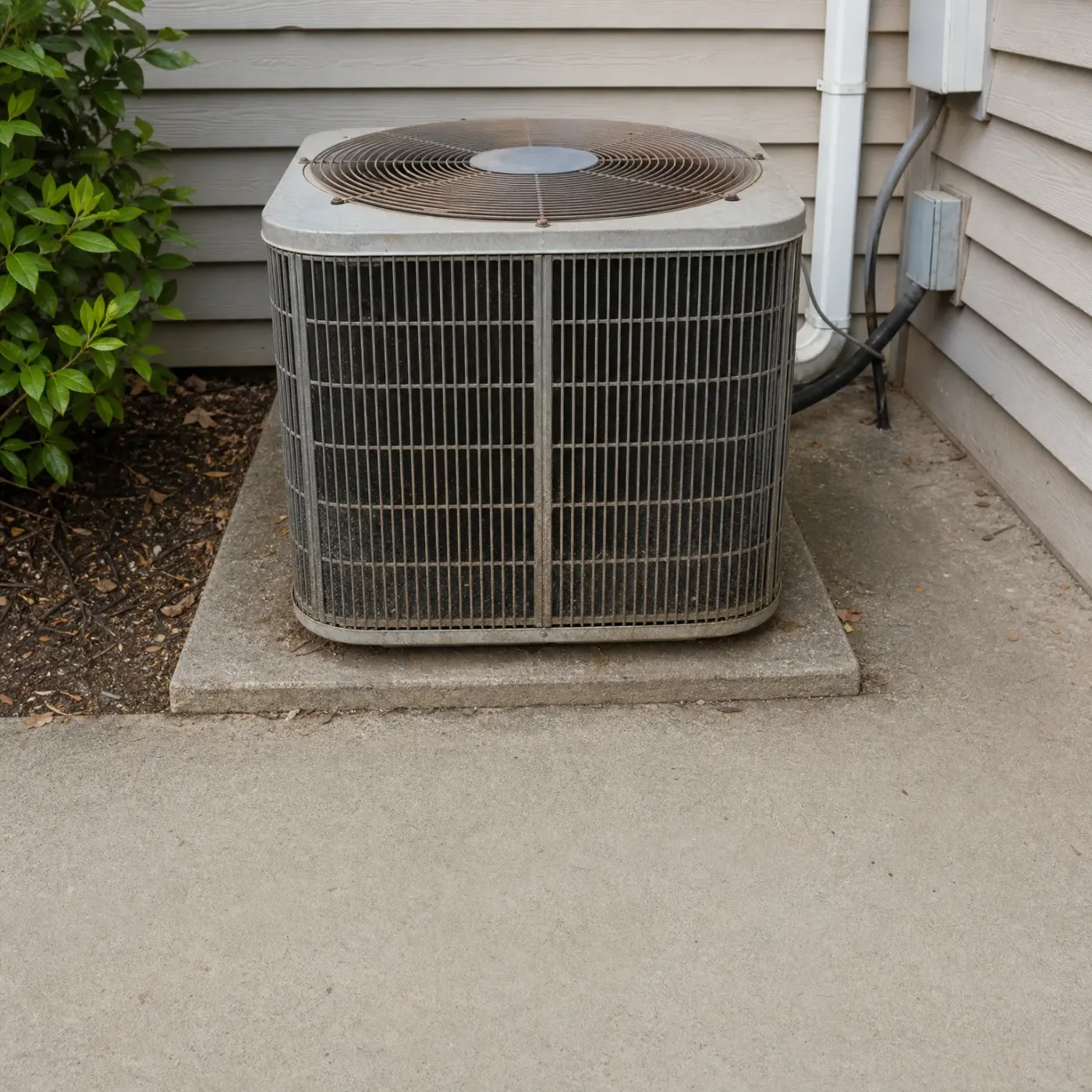
An outdoor air conditioning condenser unit on a concrete pad beside a house with horizontal lap siding, with a shrub and mulch bed to the left and conduit and a small electrical box on the wall to the right.
Before you get your air conditioner maintenance
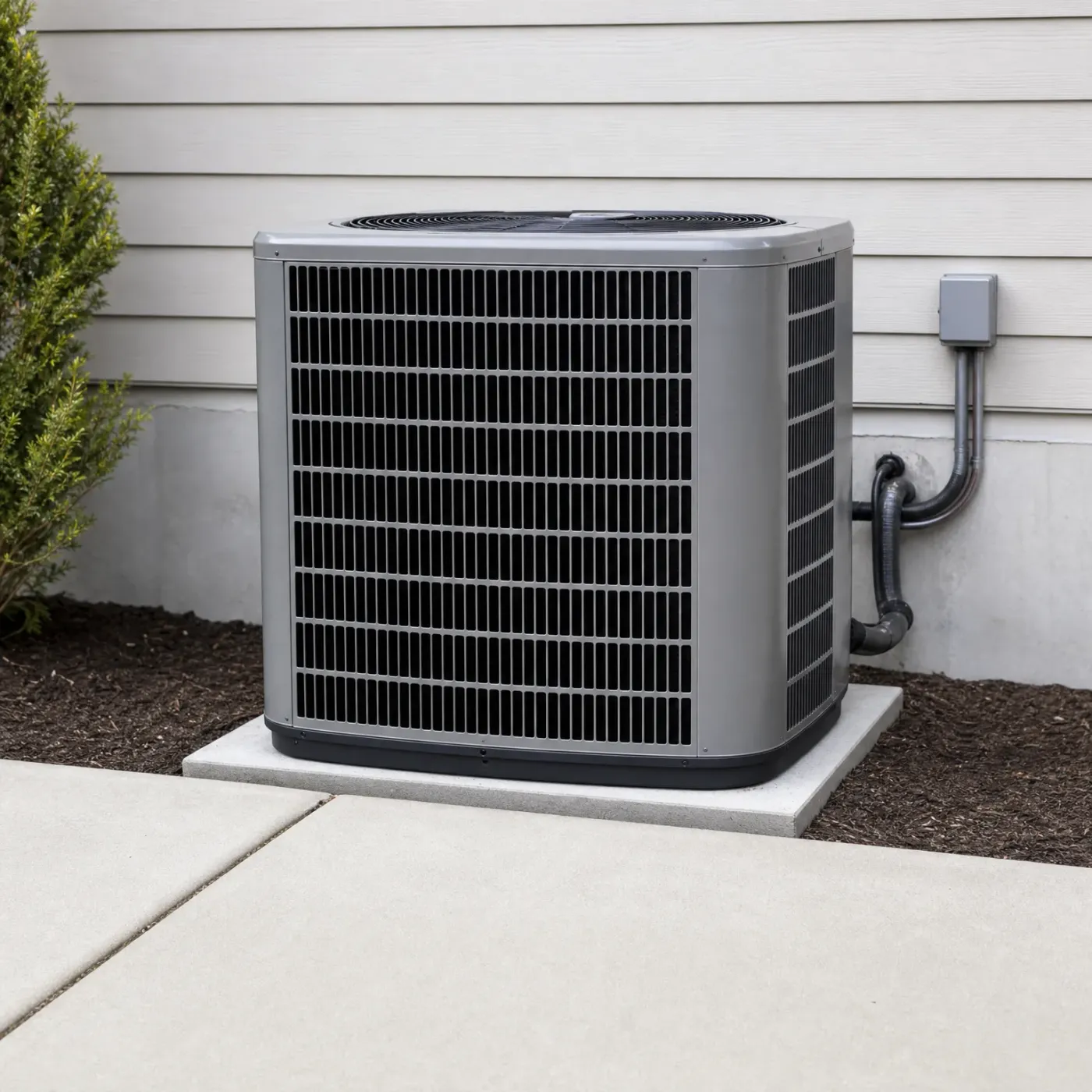
A gray outdoor air conditioner condenser unit sits on a concrete pad beside a house with horizontal lap siding, with conduit and an electrical disconnect box on the wall, dark mulch and a shrub to the left, and a concrete walkway in the foreground.
After you get your air conditioner maintenance

Handling it yourself this summer

You can keep an eye on the filter and swap it out, keep the area around the outdoor unit clear, and watch the thermostat settings. That catches some of it. What you can't see is the refrigerant charge, whether the coil behind the panel is actually clean, or whether the blower is moving the air it's supposed to. If the bill climbs in July, you're left guessing which of those is the problem, then calling around to find someone who can look at it, explaining the same thing more than once, and sorting through quotes before anyone touches the unit.

Getting matched with someone qualified

A contractor who works on these systems checks the coil, the charge, and the airflow in one visit instead of you guessing at which one is driving the bill up. You skip the part where you search for who's available, call a few numbers, explain the thermostat and the bill and the bedroom that never gets cool, then wait on quotes to compare. You answer a few questions about your unit and your house, and a contractor who covers your area reaches out to you directly. What they find and what they recommend from there is between you and them.

Power costs 15.40 cents per kilowatt-hour statewide

At 15.40 cents a kilowatt-hour, every extra hour your compressor runs to make up for a dirty coil or a low charge lands on your bill in a few cents at a time. A unit running the way it should just needs less of those hours to keep your house cool.

EIA-861 2025 statewide residential average

Where your AC bill stands

  • Your AC bill comes down to one thing: how long the compressor has to run to hit the temperature you set.
  • A clean coil, a clear filter and the right refrigerant charge let the unit cool your house without straining.
  • Skip the maintenance and the same symptoms show up anyway, just later and as a bigger number on the bill.
  • A unit running the way it should needs fewer hours to do the same job, and that difference is what you pay for.
  • Checking your own filter catches part of it, but the charge and the coil behind the panel need someone who can see them.
  • Where you stand now is simple: the unit is either working at the rate it was built for, or it's making up for something.

The whole question comes down to how long your compressor runs to hit the temperature on the thermostat. A unit with a clean coil, a clear filter and the right refrigerant charge does that job without straining, and the hours it takes to cool your house are the hours you pay for. Skip the upkeep and nothing about that changes except the timing. The strain still shows up, just later, and by then it's a bigger number on the bill instead of a part you could have caught early.

You can watch your own filter and keep the area around the outdoor unit clear, and that's worth doing. But the refrigerant charge and the state of the coil behind the panel aren't things you can check yourself, and those are the two that move the bill most. Right now your unit is doing one of two things: cooling your house at the rate it was built for, or making up for something you can't see from the thermostat.

Finding out which one shouldn't mean a string of calls to different contractors, repeating the same description of your bill and your unit to each one, then sitting with a stack of quotes trying to work out who actually knows what they're looking at. That part of it can go away. What's left is the simpler question: is your AC working the way it should, or working harder than it should to get you the same cool house.

A gray outdoor air conditioning condenser unit on a concrete pad beside a house with horizontal lap siding, with a wall-mounted disconnect box and conduit, lava rock mulch, a shrub, and grass nearby.

Get your air conditioner to the right pro

Skip calling around

Skip calling around to set up an air conditioner tune-up.

No fee to send it, and nothing to sign.