

Up to 2 degrees of cooling lost for every inch of dirt on a coil
A dirty outdoor coil can't shed heat the way it should. A technician can clean it before the heat sets in, so the system isn't working against itself all summer.
Send the form and the air conditioner tune-up stops being something to remember.
Hand off the searchBy the time Texas heat sets in, an AC that's been sitting idle since last fall has to start working hard right away, every day, for months. A system with a weak capacitor or a clogged filter can still limp along in mild weather, but it won't hold up once temperatures climb into the 90s and 100s. Getting it checked before that happens is the difference between a cool house in July and a breakdown during the worst week to be without one.
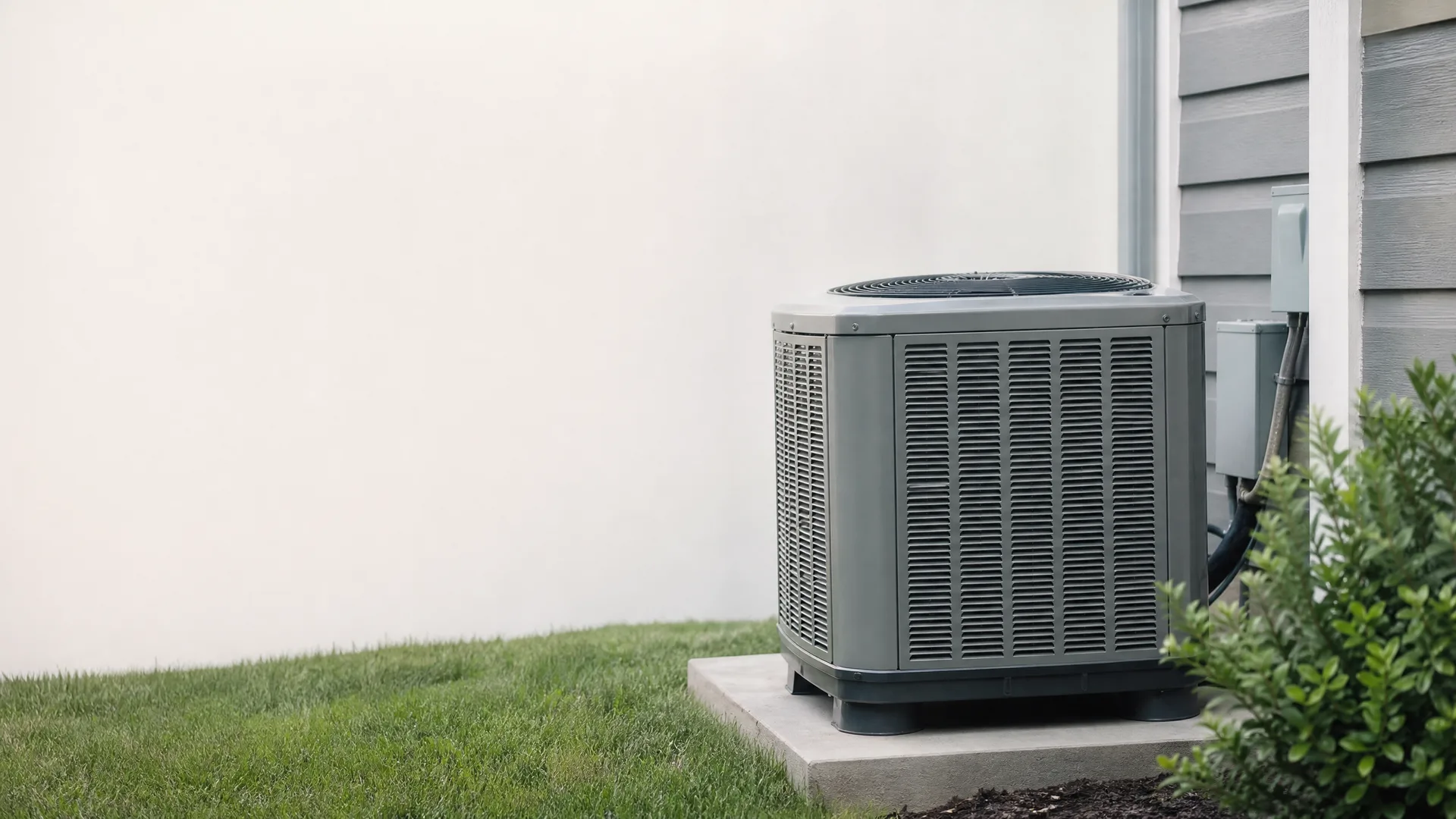
A technician checks the refrigerant charge, cleans the condenser coil outside, tests the capacitor, and makes sure the system is actually pulling the amperage it should. Dust and grass clippings build up on the outdoor unit over the winter, and a dirty coil makes the compressor work harder to move the same amount of heat. In Texas, that unit is going to run almost nonstop from April through October, so any weak part gets found out fast. A system that's never checked tends to keep running fine until the first truly hot week, then quits right when you need it most. Catching a failing part in March costs you an appointment. Catching it in August costs you a week without cool air.




A dirty outdoor coil can't shed heat the way it should. A technician can clean it before the heat sets in, so the system isn't working against itself all summer.
A low charge means a leak somewhere in the line. Catching it before July keeps a small fix from turning into a system that can't keep up when you need it most.
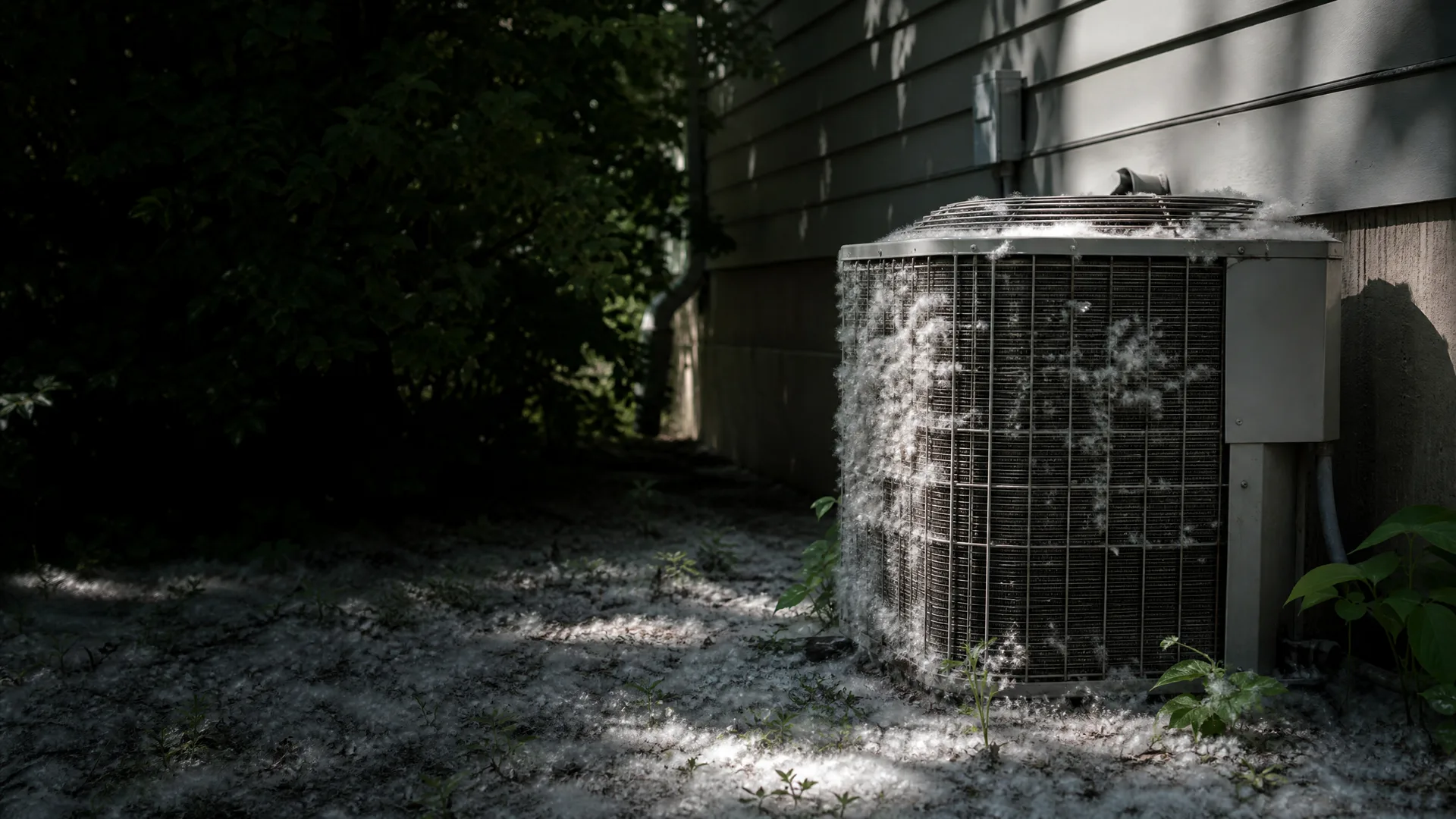
You're out pulling weeds along the side yard in late April, the cottonwoods dropping their fluff the way they do this time of year. You notice it caught against the condenser, white tufts packed into the fins like lint in a dryer trap. You didn't put a hand on it until now. The unit's been running the last few warm afternoons, doing what it can, pulling air through fins that are half covered. It still kicks on. It still blows cold, for now. But the heat's coming, and the fluff isn't going anywhere on its own.
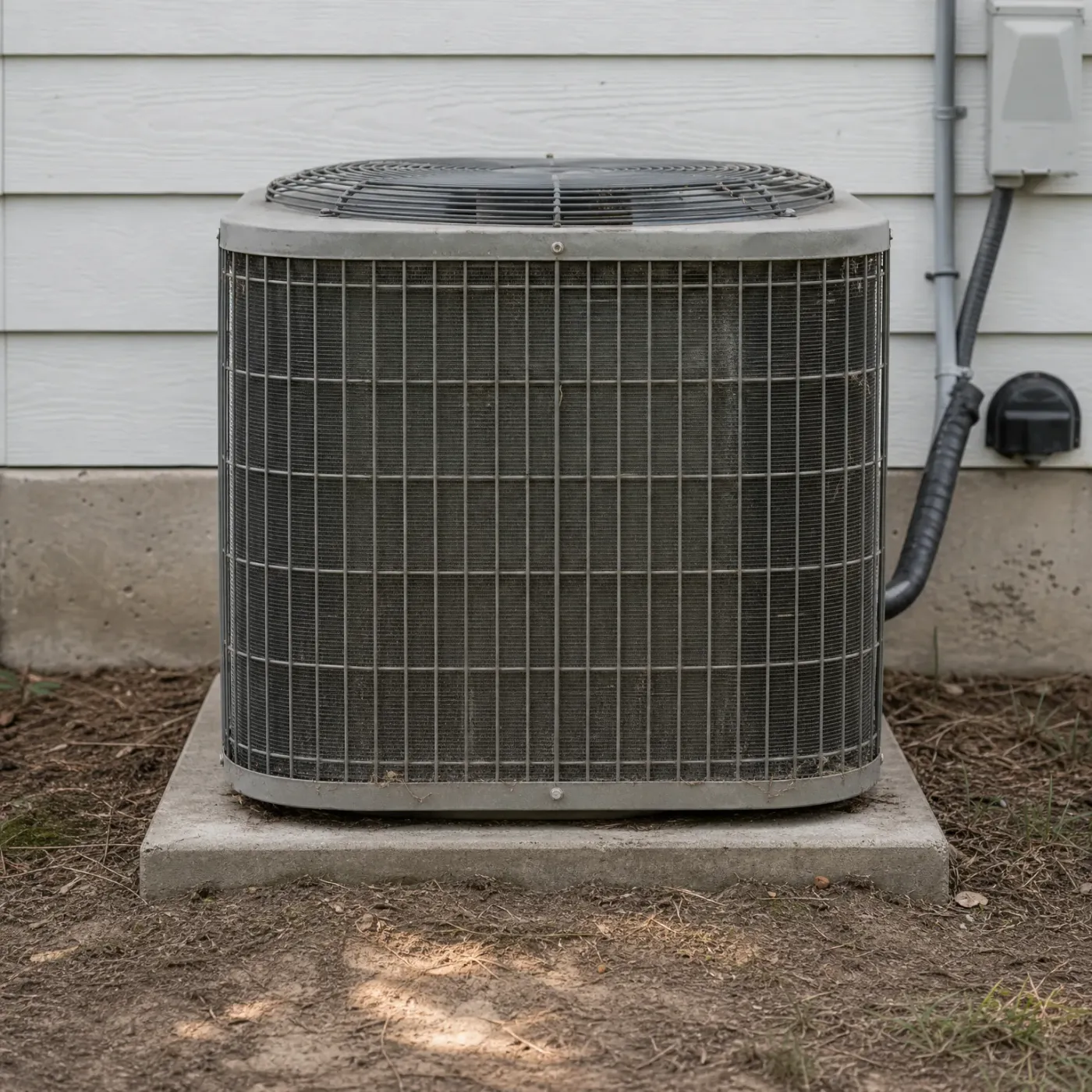
Turn it on and listen. A hum that takes a few tries before the compressor kicks in, or a click that repeats without the system starting, points to a capacitor on its way out. Check the vents. Air that feels weak or barely cool means it's working harder than it should to do the same job. Look at the outdoor unit. Fins packed with grass clippings or cottonwood fluff block airflow the coil needs to release heat. None of this stops the unit from running in April. It's July and August, with the compressor under load for hours at a stretch, when a weak part gives out and a houseful of Texas heat has nowhere to go.


The pro who reaches out is licensed in Texas.
Send the form, and lining up the air conditioner tune-up stops being yours to chase.
There's no charge for the request.
At 15.40 cents a kilowatt-hour, every hour your AC runs costs more if the system has to work harder than it should. A unit that's clean and charged right cools your house without pulling extra power to make up for a dirty coil or a weak part.
EIA-861 2025 statewide residential average

The system comes on in April, cools the house through the muggy months, and gets shut off in October without anyone looking at it. Most of the time it holds up. But a capacitor already losing strength in spring doesn't get better sitting idle under summer load. It gets weaker every week the compressor pulls hard against it, and nothing about that process reverses on its own.
A technician who works on these systems all season knows what tends to fail first in a Texas summer, because they're pulling the same capacitors and clearing the same coils on dozens of other units nearby. Catching a weak part in spring means a quick swap on a mild day. Catching it in July means your house sits at 85 degrees until someone can get out to you.
A tune-up before the heat sets in comes down to this: a technician checks the parts that fail first, the capacitor, the contactor, the coil, while there's still time to fix what's found instead of waiting for a breakdown in July. A local contractor who services this equipment every season knows what tends to go first in a Texas summer and what to look for before the first 95-degree day arrives. You get matched with one contractor, not a handful of companies competing for your business, so it's a single call back from someone who already knows the kind of system sitting outside your house and the kind of summer it's about to face. That's the whole point of getting ahead of it now, before the heat makes the decision for you.

Let someone else find the pro