
Clean coil, clear path
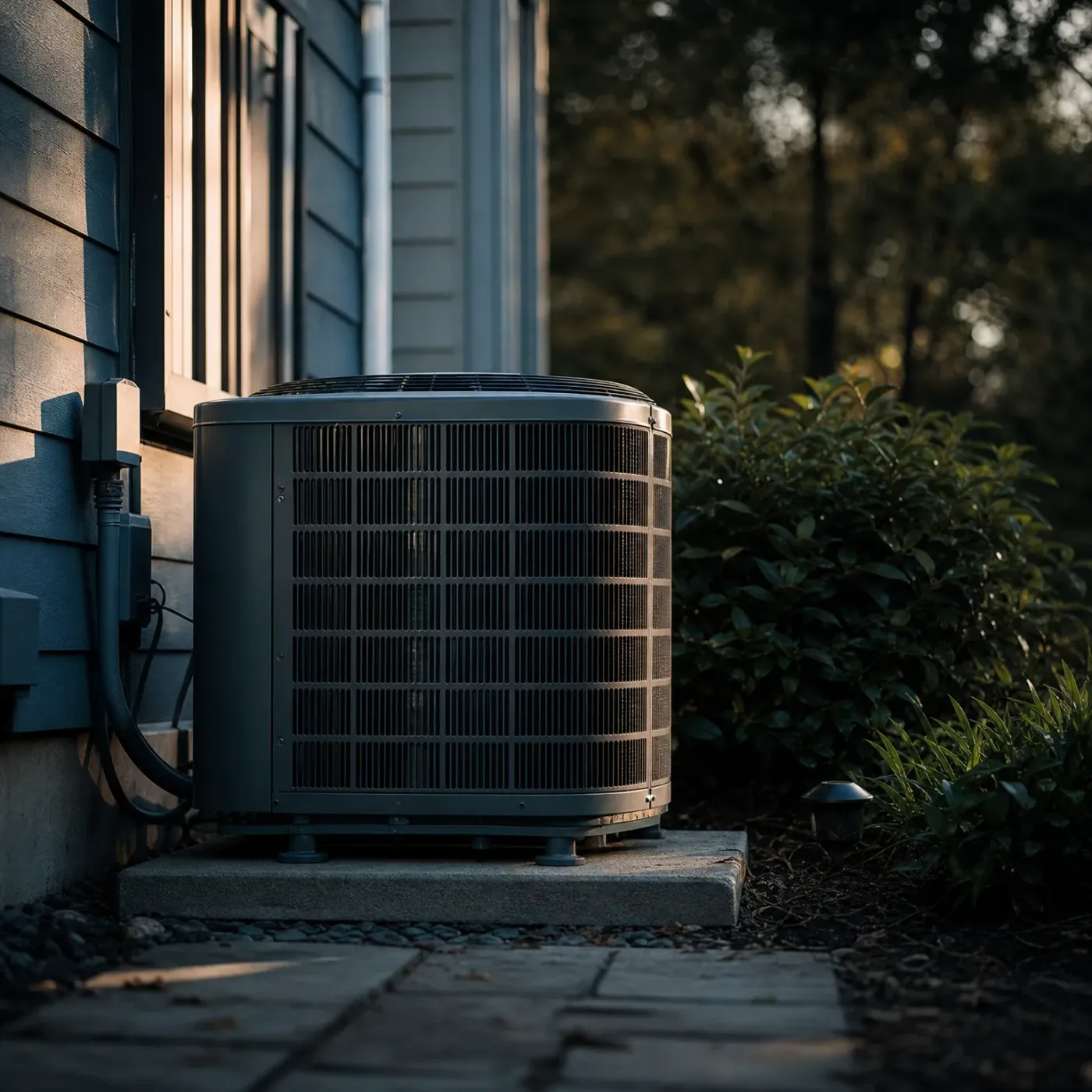
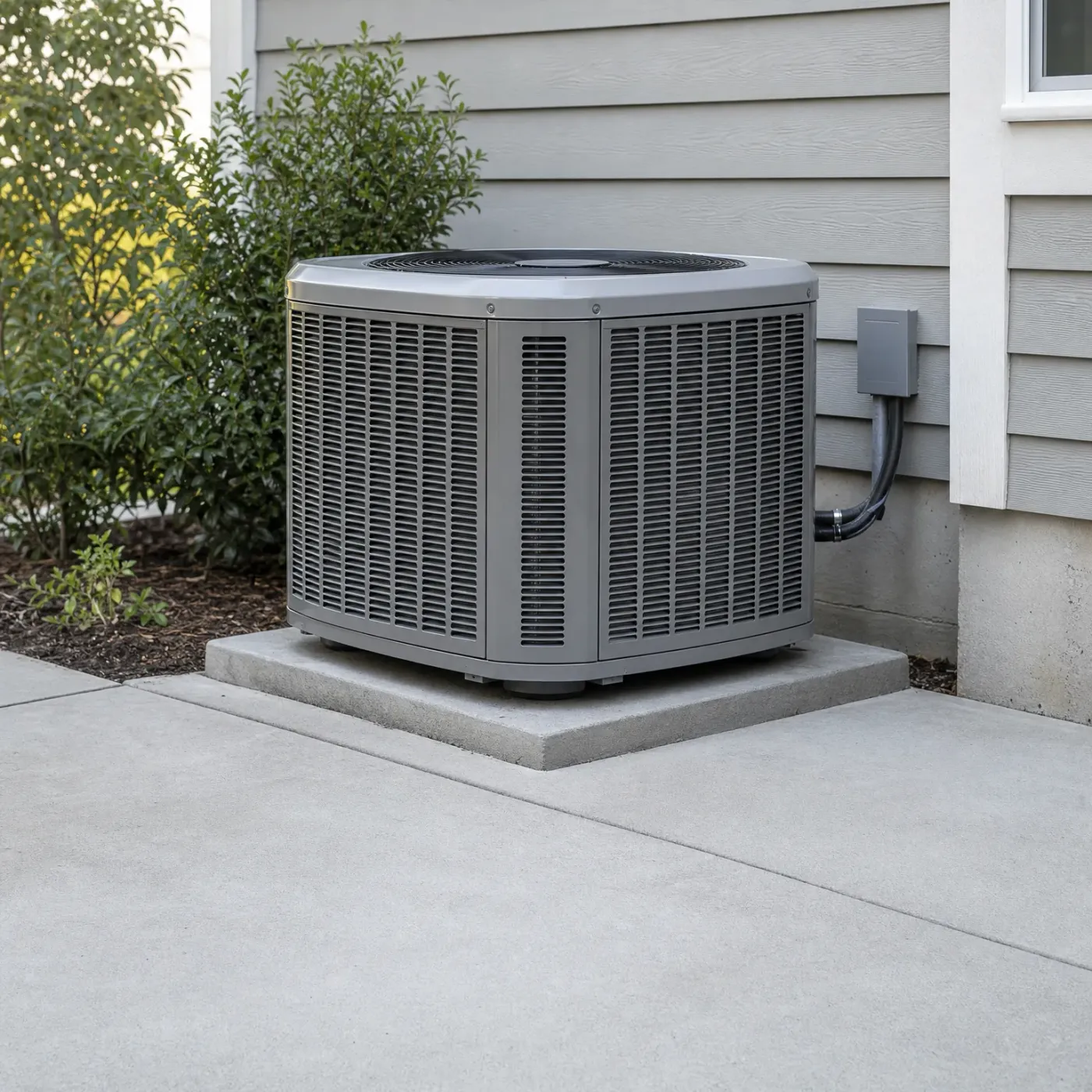
Those fins are open, and air moves straight through to the house. The unit can run long on a 100 degree afternoon and still get the house to 72 and hold it there. That's the gap closing.
A local pro for your air conditioner maintenance
On a hot Texas day, your AC should run long stretches, sometimes close to nonstop, and that alone doesn't mean something's wrong. What matters is whether it's actually cooling the house or just running without catching up. This page gets into how to tell the difference, and what to do if yours can't keep up. Answer a few questions and a contractor who handles maintenance in your area will reach out, so you're not stuck figuring it out alone.
Get matchedOn a 100 degree day, your AC can run most of the hour, cycling off for only a few minutes at a time. That's normal. The bigger the gap between the outside temperature and your thermostat setting, the harder the system has to work to hold the house there, and Texas summers push that gap to its widest in July and August. A unit that's sized right for your home will still keep up, even if it barely shuts off. The problem isn't long runtimes. It's a long runtime that never brings the house down to the set temperature, or a system that runs all afternoon and the house still feels muggy. That points to something losing efficiency, like a dirty coil or a refrigerant leak, not to the heat itself. Regular maintenance catches those losses before they turn a long runtime into one that can't keep up at all.
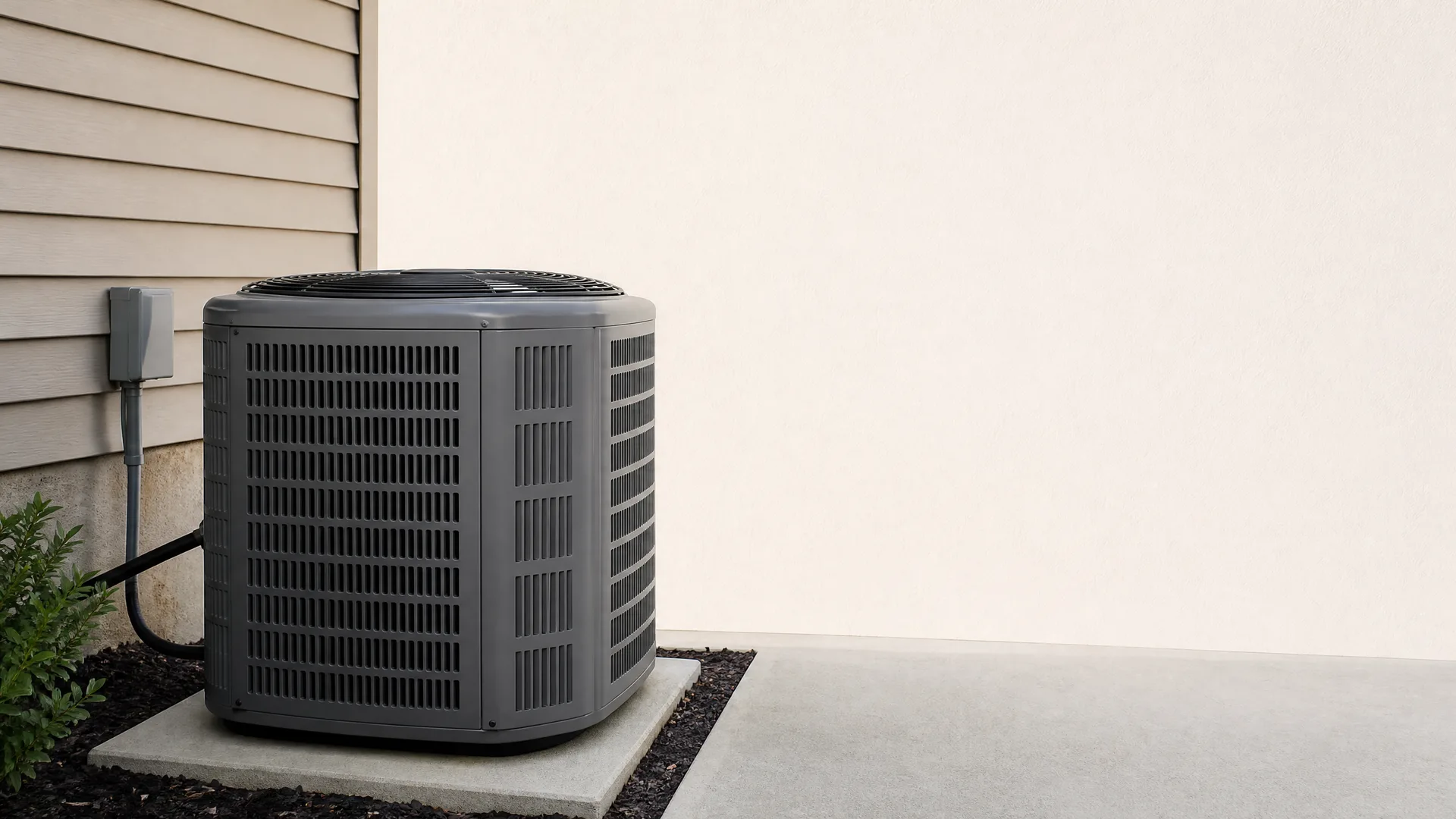
A central AC is sized to handle a Texas summer, but even a properly sized system can't dump heat into the house faster than it pulls it out. When it's 100 outside and 75 inside, that unit is moving heat across a 25 degree gap for as long as the sun is up. A short cycle would just leave the house not fully cooled before the next one starts. Running long is how the system actually catches up.

If your AC runs for a couple of minutes, shuts off, then kicks back on a few minutes later, that's not the same as a long steady run. Short cycling like that wears on the compressor and usually leaves the house warmer than the thermostat setting. It can point to a dirty filter choking airflow, low refrigerant, or a thermostat sensor reading the room wrong. A maintenance visit checks airflow and refrigerant charge, the two things that cause most of it.
You've been watching the thermostat and it doesn't move. The AC is running, you can hear it, but the house sits at 78 when you set it to 72. That's a different problem than just long run times on a hot day, and it usually means the system isn't moving enough heat out, not that it's just working hard against the weather.
A system working hard but still winning shows it by degrees lost catching up, even slowly, over an hour. One that never closes the gap usually has a refrigerant leak or a coil that isn't getting enough air across it, often from a filter clogged enough to choke the return. Either way, the compressor keeps running because the thermostat still reads hot, but it's moving less heat per hour than it should. Outside, you might notice the condenser coil fins packed with grass clippings or the line going into the house with frost on it in the middle of summer, which points to low refrigerant rather than a dirty filter. A maintenance visit checks both the charge and the airflow side before anything gets replaced.


Runtime shows up on your electric bill before it shows up anywhere else. Every hour the compressor runs on a 100 degree afternoon is an hour you're paying for, whether or not the house is actually getting cooler. That's fine when the system is catching up and holding the temperature you set. It's not fine when the thermostat still reads 78 after hours of runtime, or when the air feels damp even though the number looks close. Either way you're spending the same money for less comfort. There's also the wear side of it. A compressor and blower motor that run nonstop log more hours in a week than they would if the system were cycling normally, and that adds up faster on a part that was already weak going into summer. A dirty filter or a coil caked with dust forces the same long runtime even on a system with nothing else wrong with it, so you end up paying for hours you didn't need to. Maintenance is what catches the difference between a system working hard and one working harder than it should.




Send the form, and lining up the air conditioner tune-up stops being yours to chase.
It costs nothing to send, and you don't have to hire anyone.
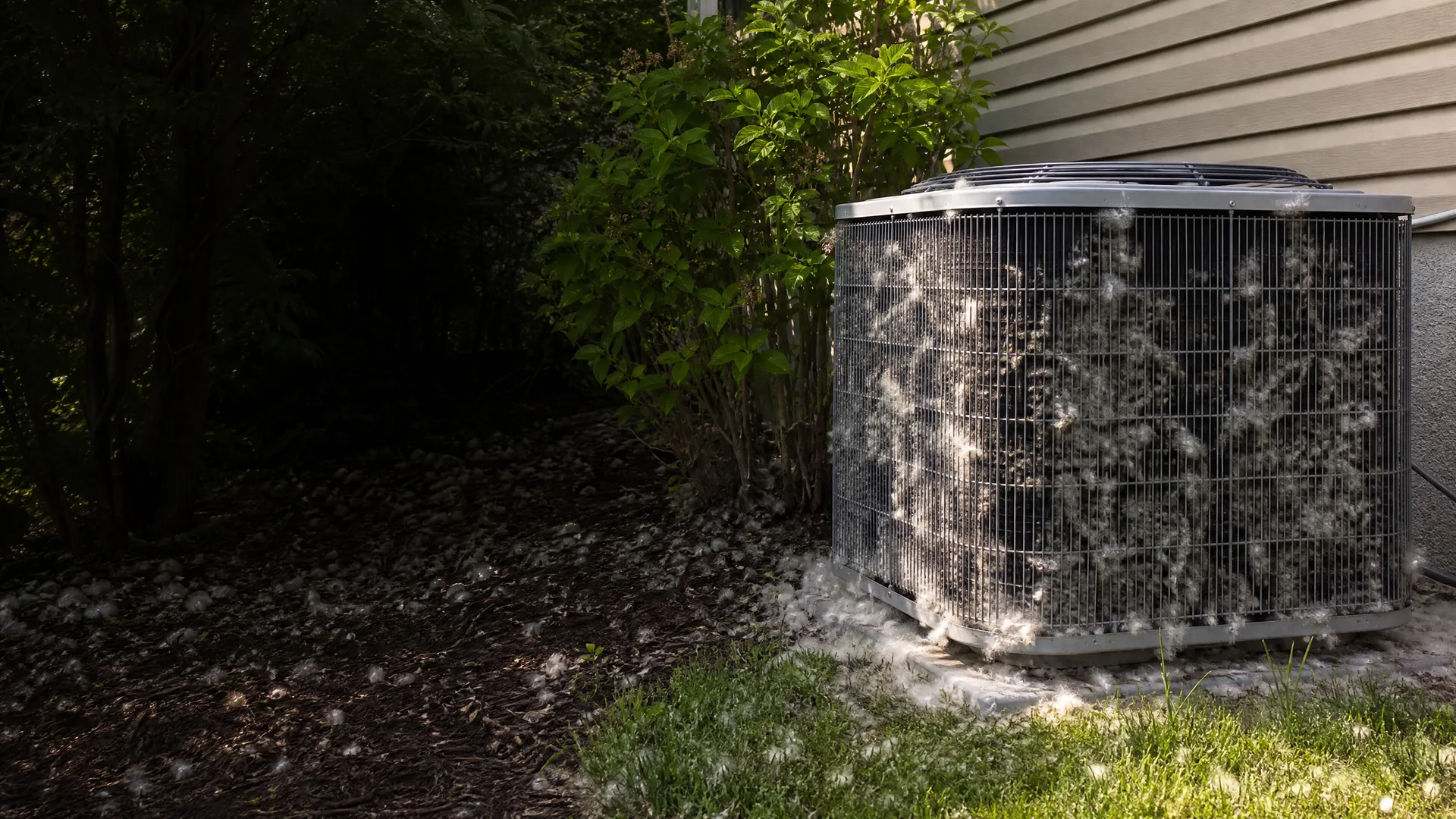
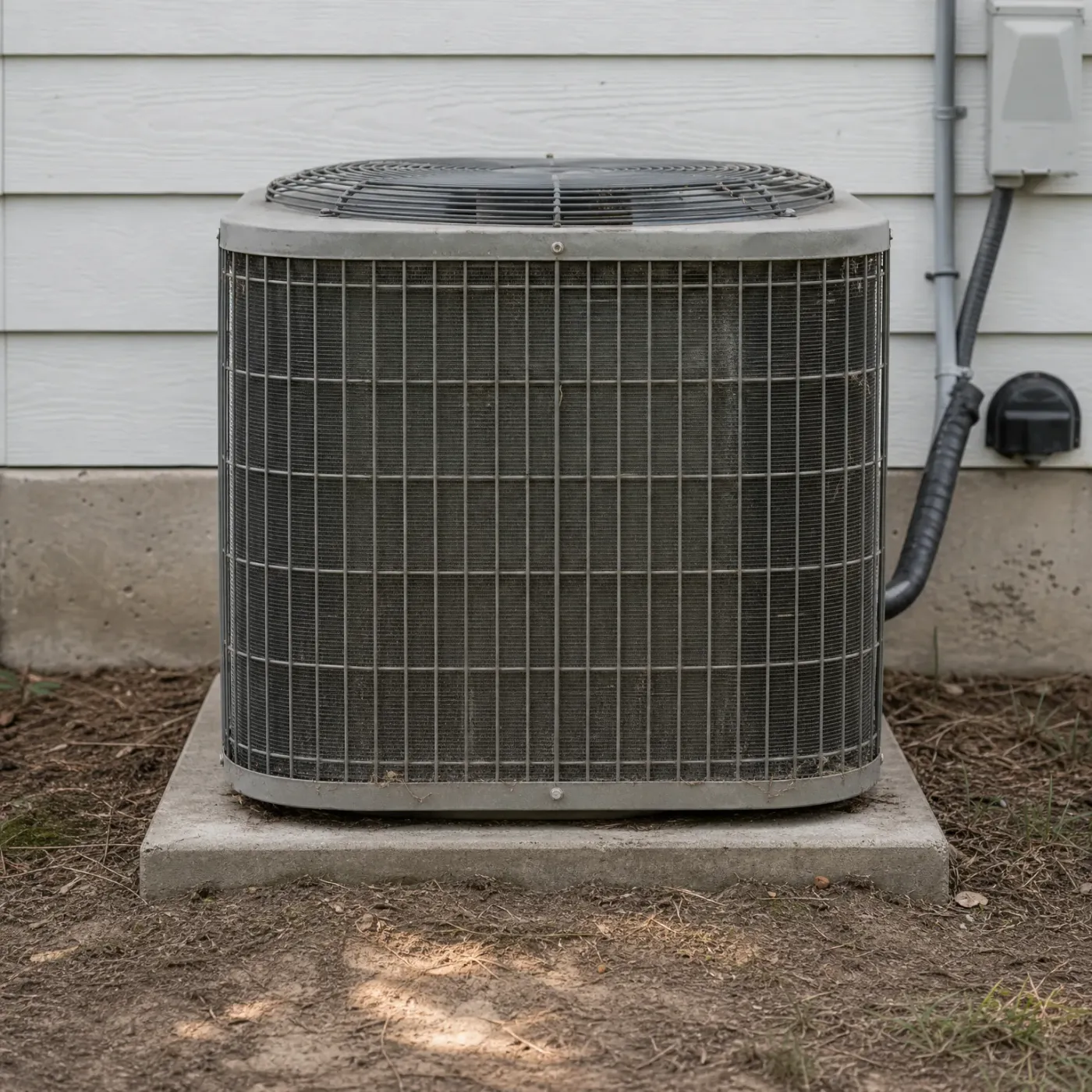
You walk out to the side yard to check on the unit, and the cottonwood's been shedding again. The fins are packed white with it, a felt of fluff pressed flat against the condenser, the kind that builds up over a few days without anyone noticing. You run a hand over it and the surface barely gives. Behind you, through the window, you can hear the system still running, same as it has most of the afternoon. It's late spring, not even the hottest part of the year yet, and the unit's already working through that. You make a note to hose it down before July gets here and the real heat sets in.
You've probably noticed the vents blowing air that doesn't feel as cold as it should, or a room that stays warm no matter how long the unit runs. Maybe the outdoor unit sounds like it's working harder than it used to, or the electric bill came in higher than the heat outside explains. These are the things you'd actually catch walking past the thermostat or the side yard, not something you'd need a gauge to find. Left alone, a unit straining to keep up on the hottest days tends to strain more as summer goes on, and the parts doing the extra work don't get a break until temperatures drop. Catching it now is easier than catching it in August.
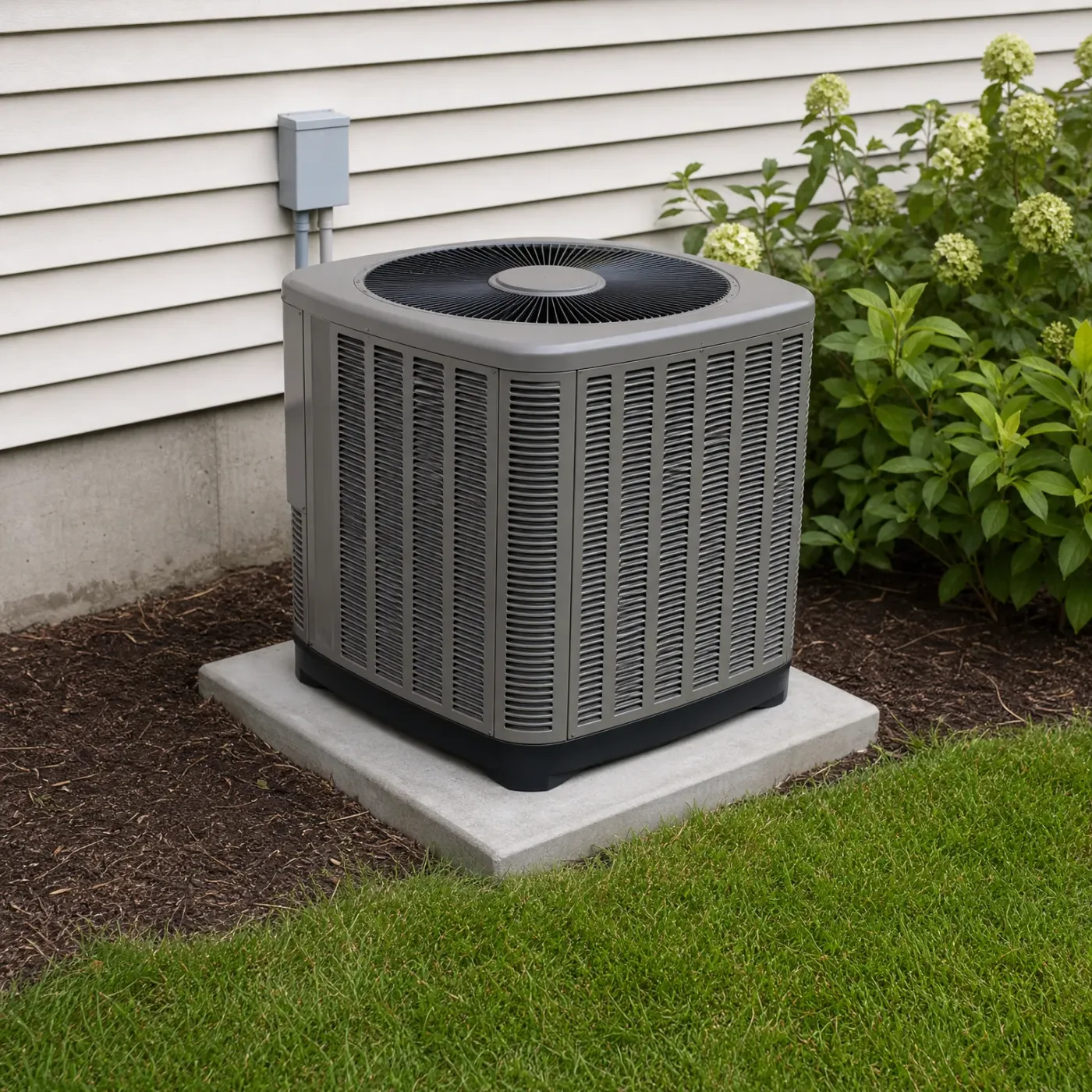
Those fins are open, and air moves straight through to the house. The unit can run long on a 100 degree afternoon and still get the house to 72 and hold it there. That's the gap closing.
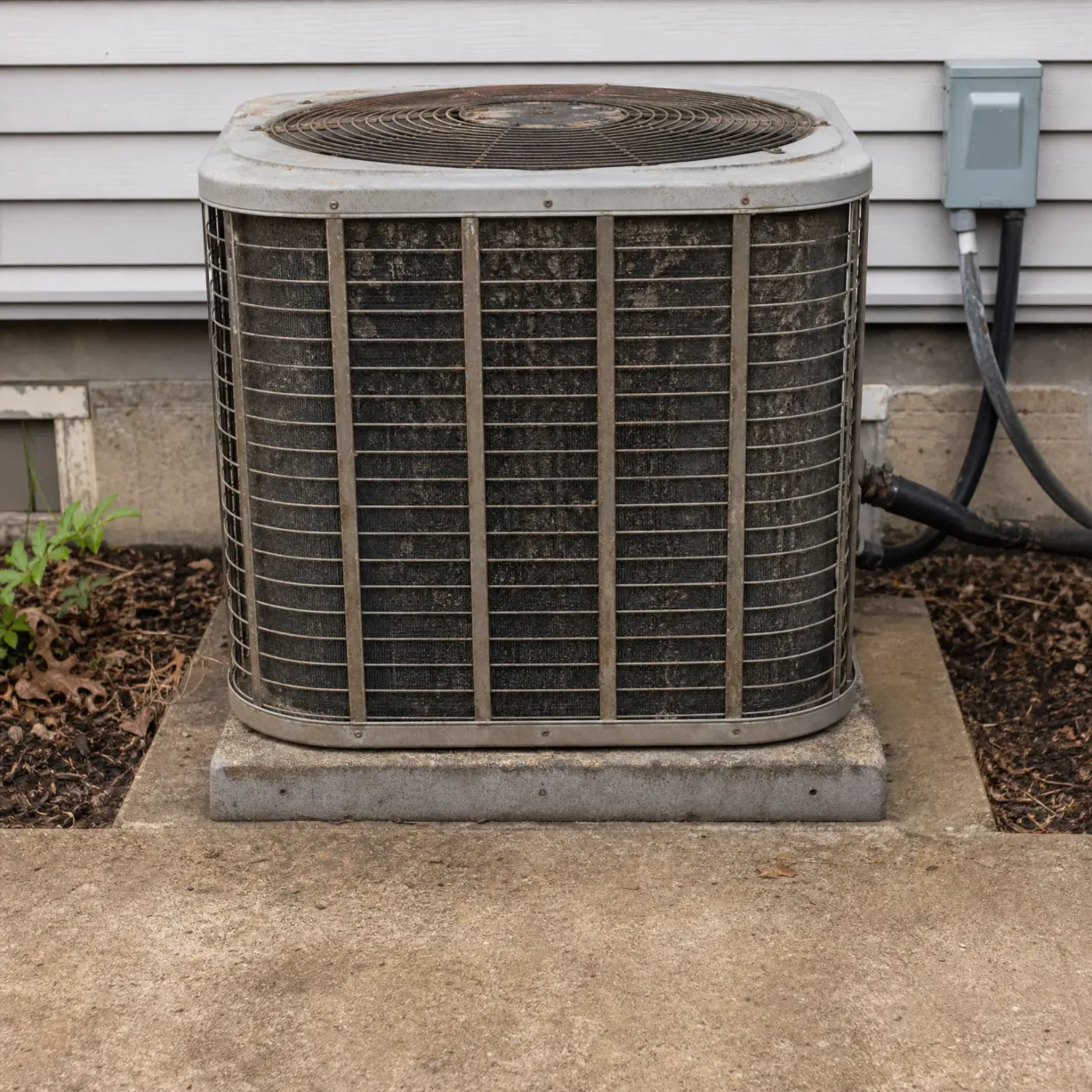
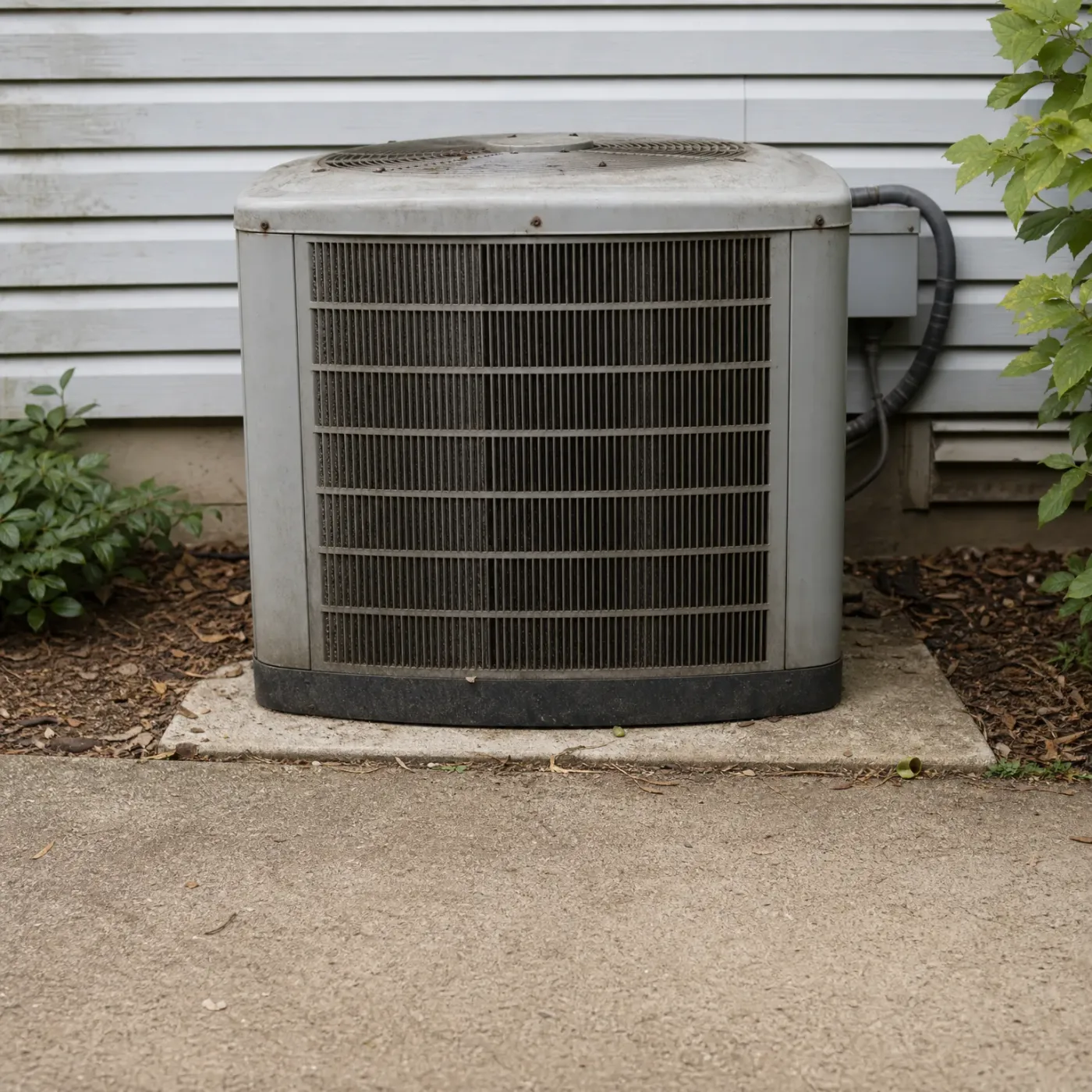
Dirt and debris sit across the fins and block the airflow the coil needs to dump heat outside. The unit runs the same long stretch, maybe longer, and the house never quite catches up.
Summer air here holds onto a dew point that averages 68°F across June, July and August, based on weather data for Texas. That's heavy, sticky air, and it changes what your AC is up to on a hot afternoon. The unit isn't just lowering the temperature, it's wringing moisture out of the air moving across the coil, and that takes time the thermostat number alone doesn't show. Two houses both set to 72 can feel different if one's gotten the moisture out and one hasn't. The damp one feels warmer even at the same reading, and a system trying to catch up on both fronts runs longer than the thermometer alone would explain.
NASA POWER T2MDEW county cells weighted by homes
Dust on the coil and a weak capacitor stay hidden until a hot afternoon pushes the system hard, and the house falls behind while the unit keeps running.
A tech checks the refrigerant charge, cleans the coil and tests the electrical parts, so the system you already have is working the way it was built to on a 100 degree day.
At 15.40 cents per kilowatt-hour, every extra hour your AC runs on a hot afternoon shows up on the bill. A unit that's clean and charged right spends that power cooling the house. One that's clogged or low on refrigerant spends it just running, so the long hours cost you without getting the house any cooler.
EIA-861 2025 statewide residential average

On a 100 degree day, your AC running most of the hour is just the system doing its job against a hard gap and heavy, humid air. The number worth watching isn't the runtime, it's whether the house gets to 72 and holds there once it does. A unit in good shape earns that long runtime back. One with a dirty coil or a weak capacitor just keeps running and never quite gets there, and you pay for the hours either way.
If you've read this far wondering which one your system is, that's the actual question, and it's not one you can answer by listening to the unit from the kitchen. A contractor who checks the coil, the charge and the capacitor can tell you in an afternoon whether your AC is working hard or just working. Answer a few questions about your system and you'll be matched with one who serves your part of Texas, and they'll reach out to get it sorted.

Get your air conditioner to the right pro