AC Handling the Moisture Fine
When the system is sized right and running well, the coil pulls enough moisture out as it cycles. The air inside feels dry and even, and you won't see any fogging on the windows or a damp feel to the floors.

Your AC runs most of the summer, and it does pull moisture out of the air while it cools. So it's fair to wonder whether that's enough, especially on the days it feels sticky inside even with the thermostat set low, or when your windows fog up in the morning. You want to know if a separate dehumidifier is actually doing something your AC isn't already handling.
Your AC only pulls moisture out of the air while it's actively cooling. On a mild day it might shut off before the house feels dry, even if the temperature reads fine. In Texas, the air outside stays heavy with moisture through most of the summer, and that moisture works its way in through doors, windows and the attic no matter how often the AC cycles. A whole-home dehumidifier runs independently of the thermostat, so it keeps pulling moisture out even when the AC isn't calling for cooling. If your house feels damp, your windows sweat, or the air feels heavy even with the AC on, that's the sign your AC alone isn't keeping up.
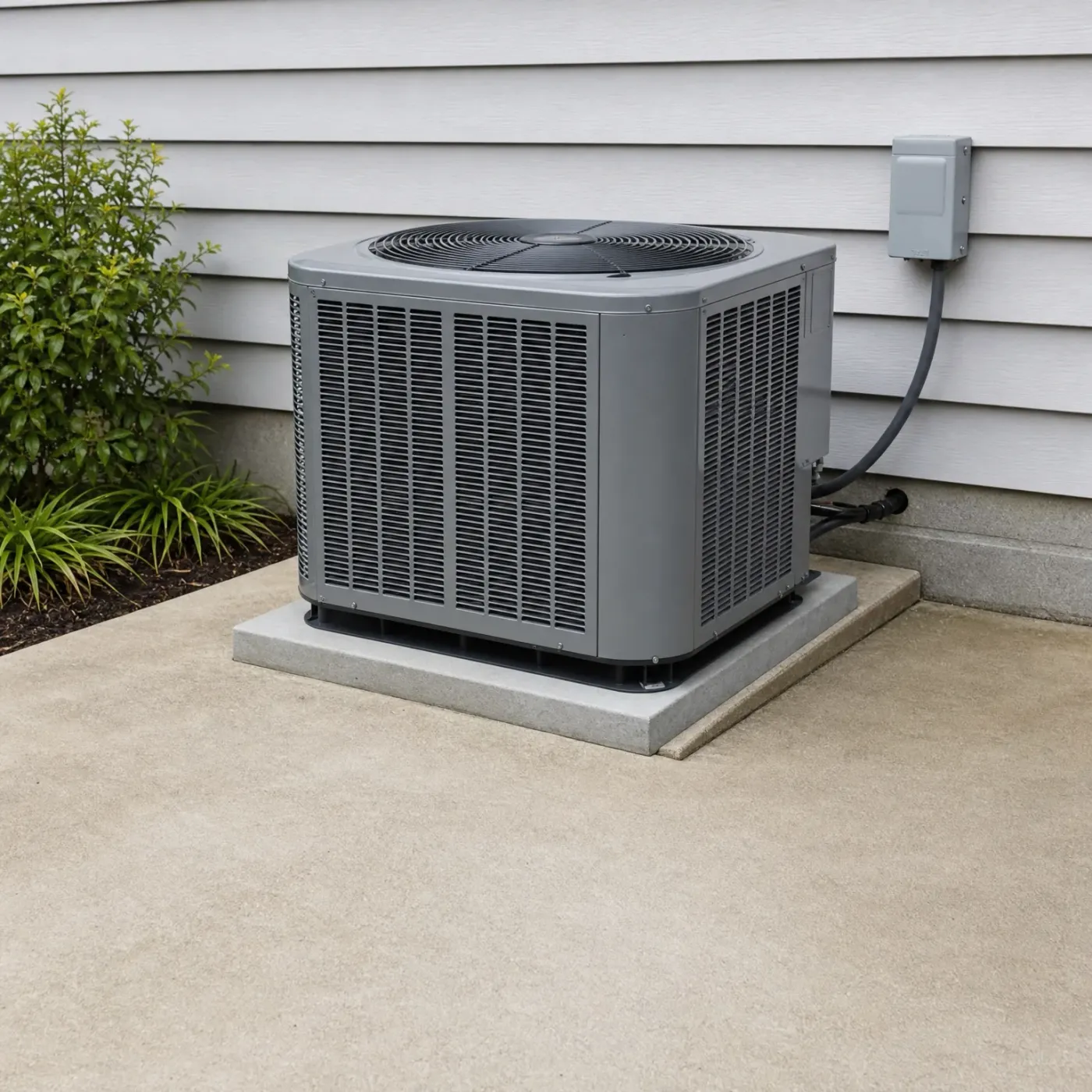
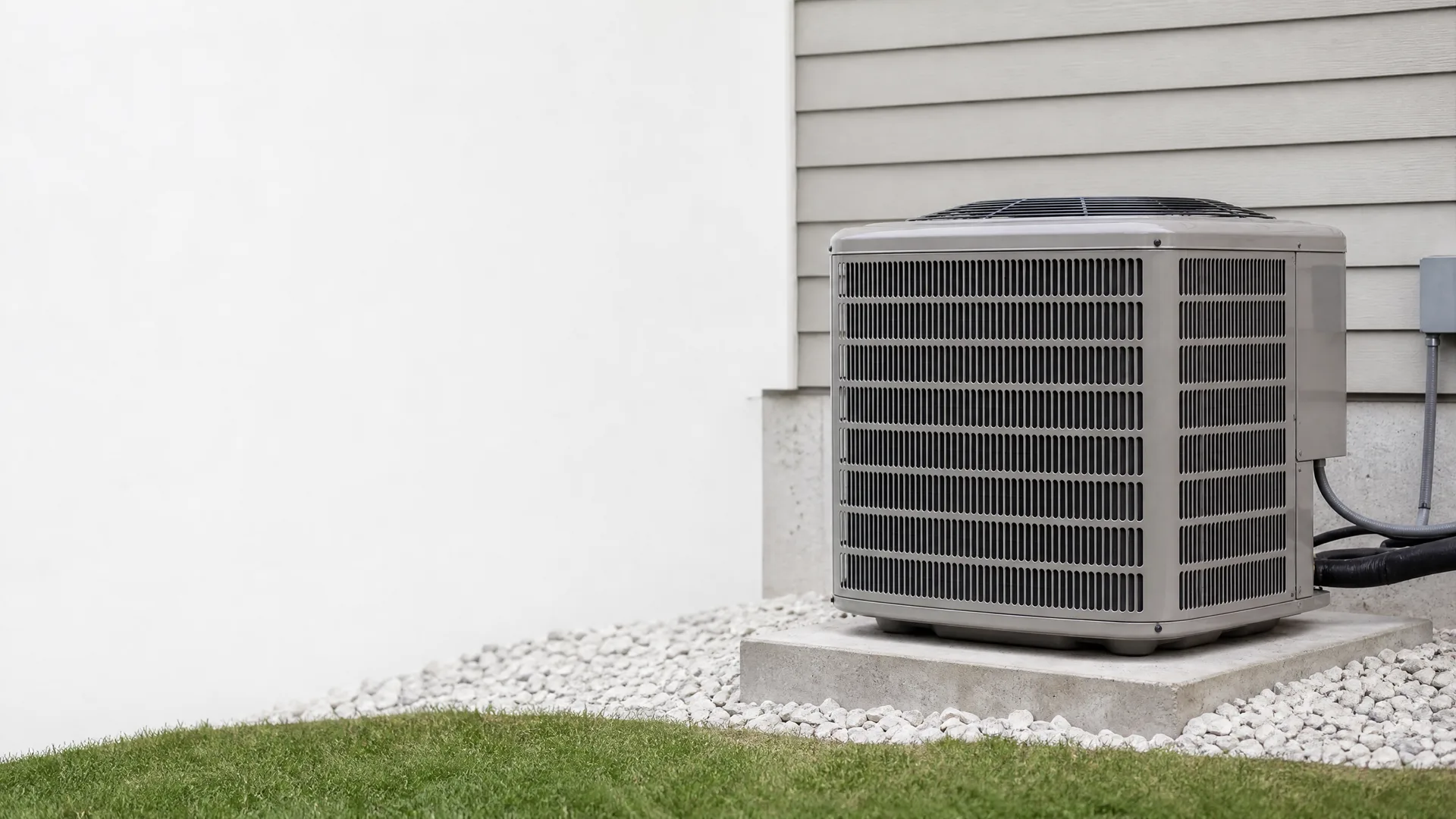
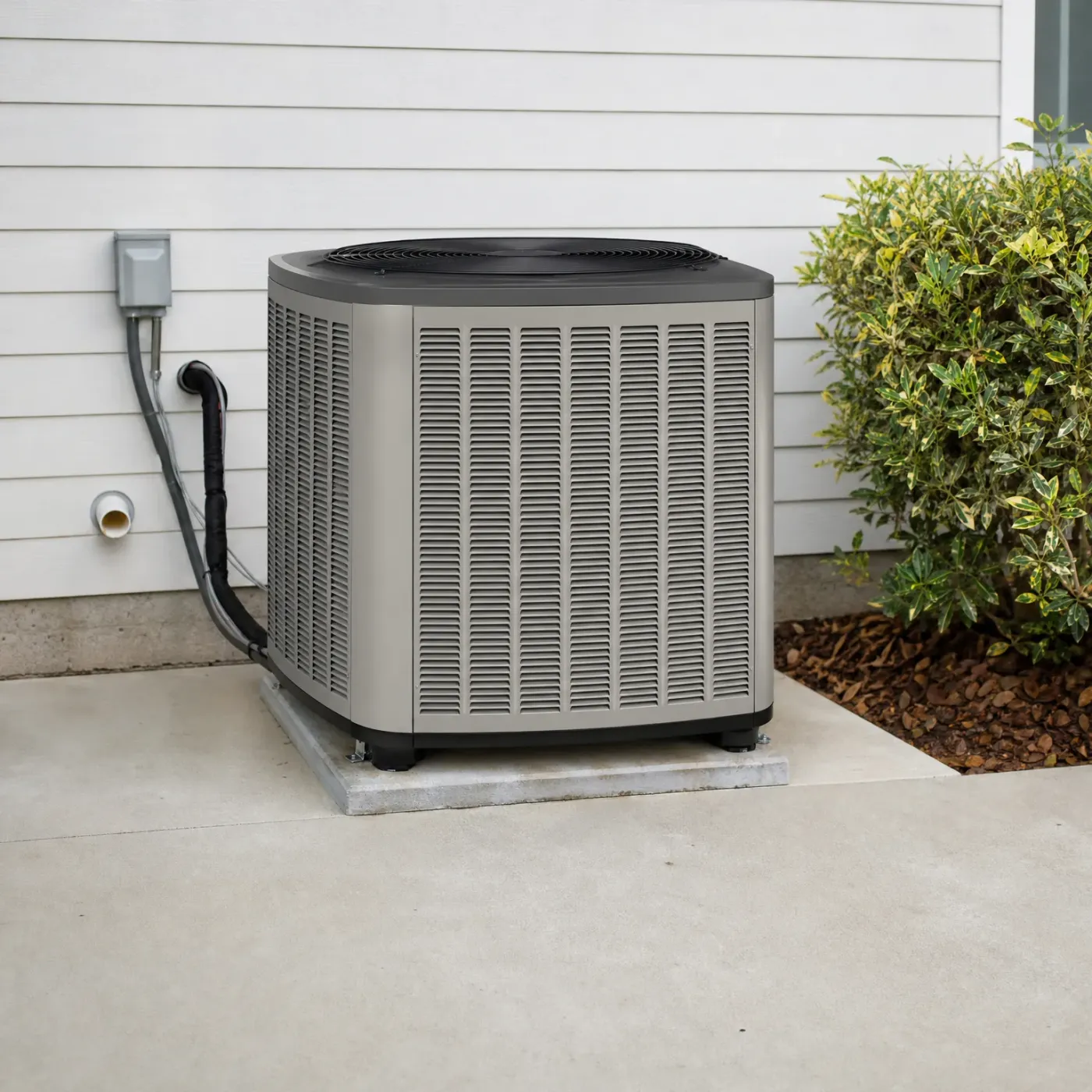
When the system is sized right and running well, the coil pulls enough moisture out as it cycles. The air inside feels dry and even, and you won't see any fogging on the windows or a damp feel to the floors.
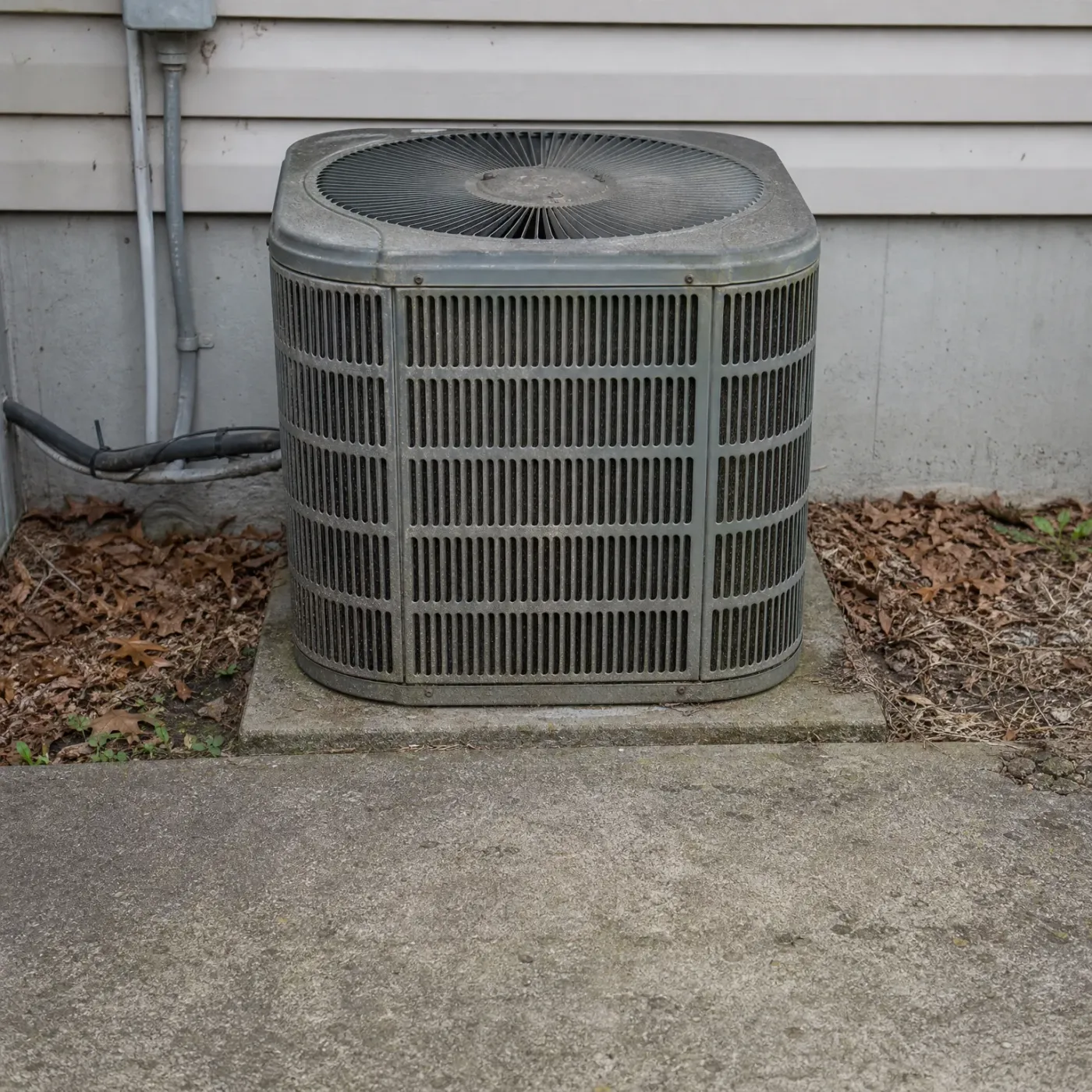
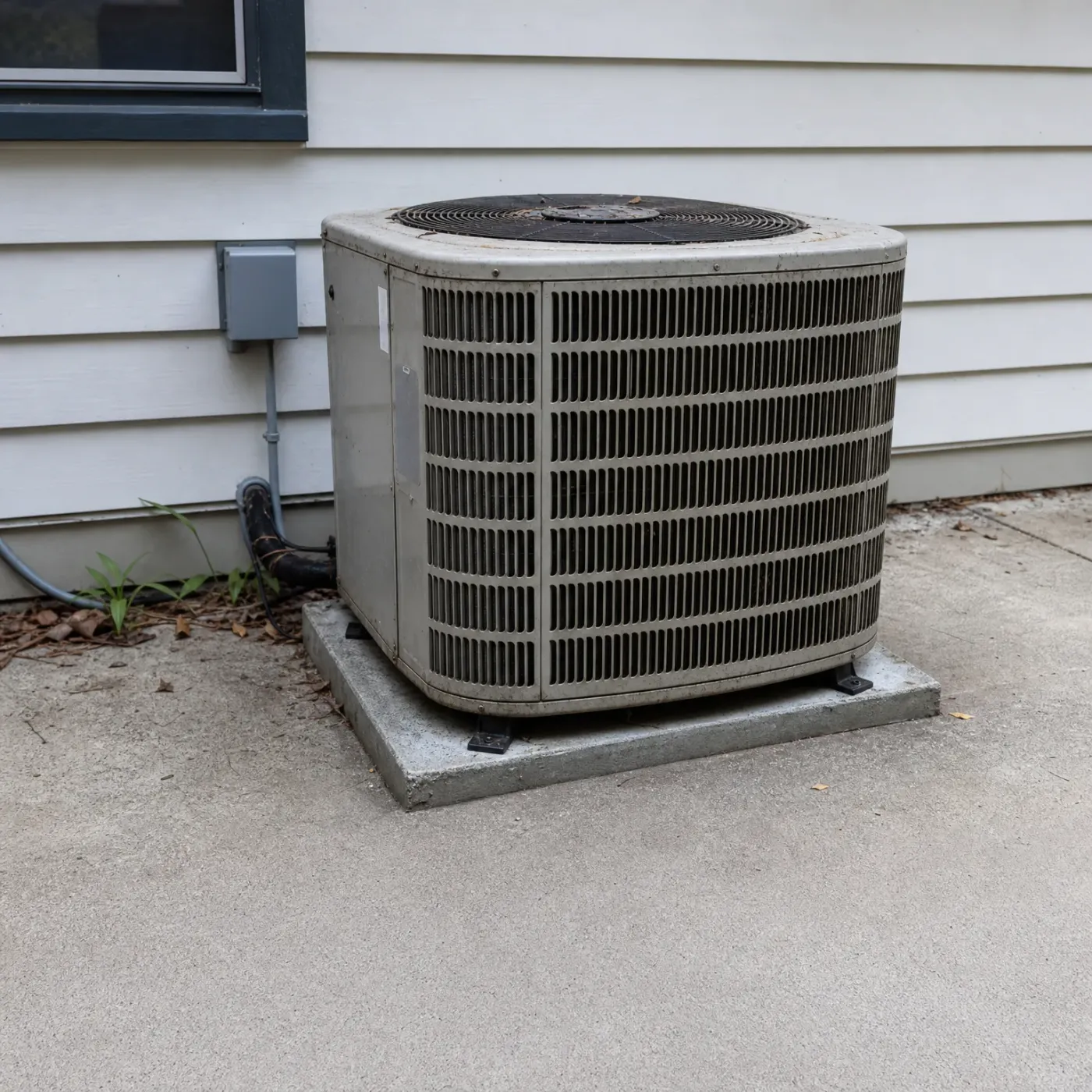
A dirty or aging unit like this one struggles to keep up once the air outside gets heavy with moisture. The coil can't pull out enough water, so rooms stay sticky even when the temperature reads fine on the thermostat.


Cooling and drying are two different jobs, and your AC was built to do the first one. As warm air moves across the evaporator coil, moisture in that air condenses on the cold metal and drains away. That's real moisture removal, but it only happens while the system is running. A thermostat that's satisfied quickly shuts the compressor off, and the drying stops with it. This is where sizing matters more than most people realize. A unit that's too big for the house chills the air fast, hits the set temperature, and cycles off before it's run long enough to pull much water out of the air. The room feels cool but not dry. A dehumidifier doesn't have this problem because it isn't chasing a temperature. It's set to a humidity target and runs until it hits it, independent of what the thermostat is doing. Some newer thermostats try to bridge the gap by slowing the AC fan so air moves across the coil longer, giving it more contact time to pull out moisture without overcooling the house. If you want to know whether your system is keeping up on its own, check the drain pan for standing water and pay attention to any musty smell coming from the vents. Both are signs moisture is building up somewhere the AC isn't reaching. A whole-home dehumidifier connects into the ductwork itself, so it treats the air moving through every room the AC serves rather than just one space.
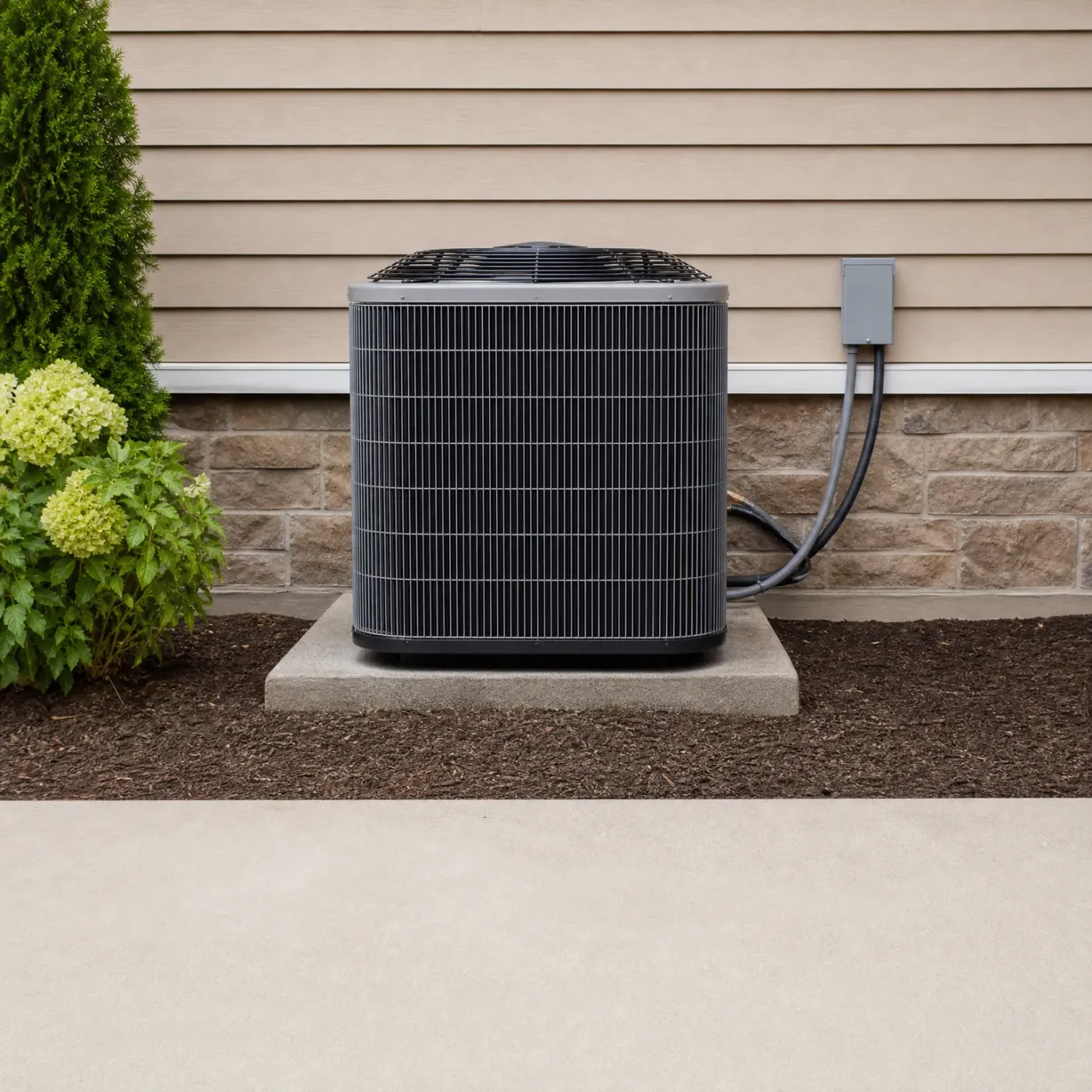
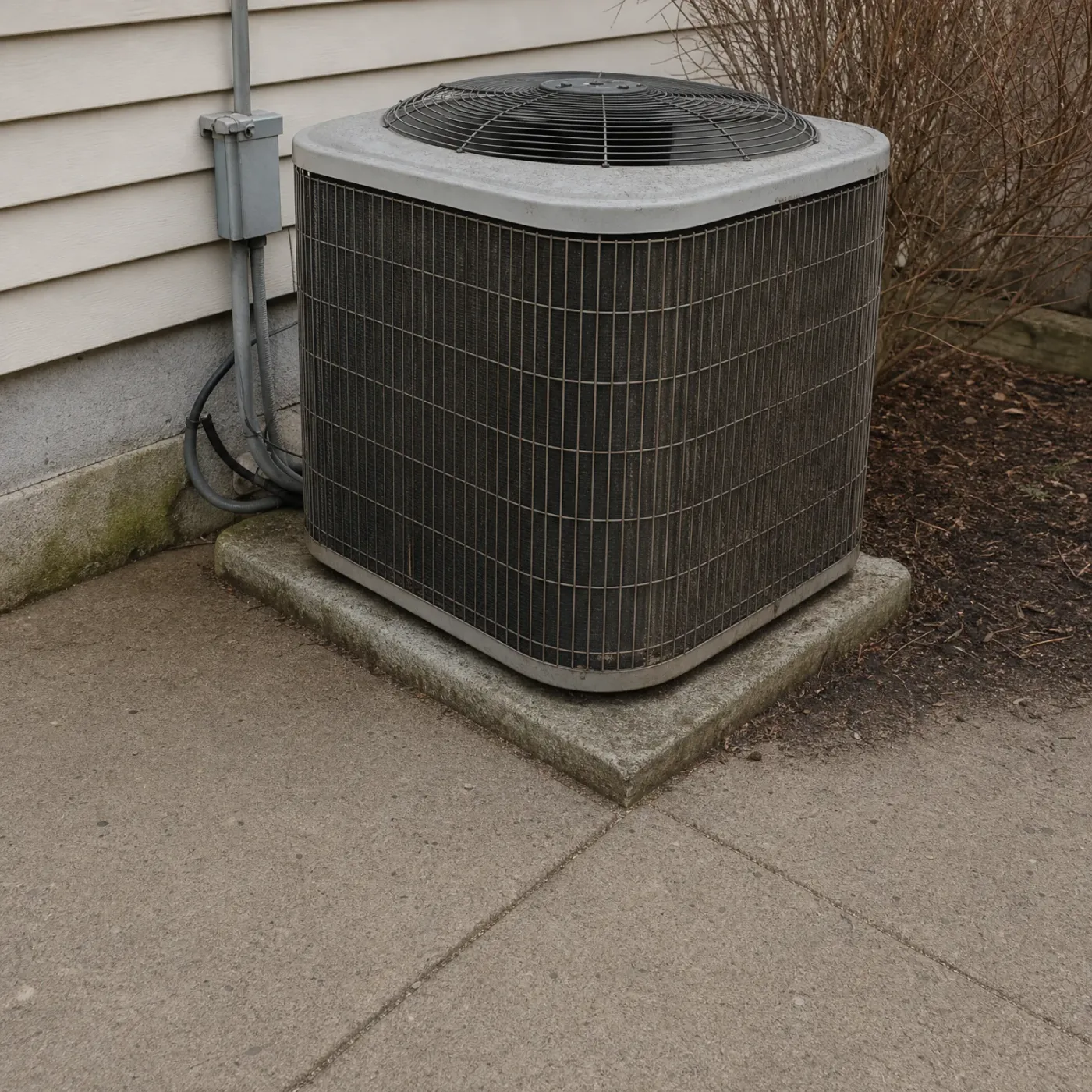
Warm, humid air crosses the evaporator coil as the blower pushes it through.
The coil's cold surface chills the air below its dew point.
Moisture in the air condenses into water on the coil fins.
Water drips off the coil into a drain pan below.




If you've read this far, your AC probably isn't keeping up with the moisture on its own. That's not unusual in Texas, where the air outside is heavy enough that even a healthy system can lose the fight on the worst days. The question is whether a standalone dehumidifier is the fix, or whether the real problem is sizing, airflow, or a system that's aging out. That's not something to guess at from a search page. A contractor who installs this equipment around where you live sees these same symptoms house after house every summer, and knows what to check first before recommending a unit. Getting matched with one local contractor means someone familiar with homes like yours looks at your actual system, not a general case. You get one point of contact, not a round of competing calls, and someone who can tell you plainly whether a dehumidifier solves it or something upstream needs attention first.

The coil only pulls moisture out while the blower is moving air across it. On a mild day that's plenty of runtime. On a heavy, wet day in July or August, the thermostat might shut the system off before the air inside ever gets properly dry. You're left with a room that reads 72 degrees but still feels damp, because the coil did its cooling job and stopped before it finished the moisture job.
A standalone dehumidifier doesn't care what the thermostat is doing. It runs on its own humidity setting and keeps pulling water out of the air whether the AC is cycling or sitting idle. In a Texas house, that matters most in spring and fall, when it's cool enough that the AC barely runs but the air outside is still heavy. Without something handling humidity on its own schedule, those shoulder months can feel stickier indoors than summer does.
Walk through and check. Windows fogging on the inside, especially in the morning. A closet or bathroom that smells musty even when it's clean. Towels that stay damp a day after you use them. Wood floors that feel slightly tacky, or a door that's started sticking in its frame. Skin feeling clammy even when the thermostat says 72. These aren't just discomfort. Moisture sitting in the house that long gives mold a place to start, in closets, behind furniture, along baseboards, and it can swell wood and peel paint over time. If you're noticing more than one of these, the AC is cooling the air but not drying it enough to keep up with a Texas summer.
At 15.40 cents per kilowatt-hour, running your AC longer to wring more moisture out of the air costs real money on the bill. A standalone dehumidifier working alongside it can mean the AC doesn't have to overcool your house just to keep the humidity down.
EIA-861 2025 statewide residential average
So the short answer is that it depends on what your house is actually doing, not on what Texas summers do in general. If the coil keeps up and nothing feels damp or musty, your AC is handling it alone and that's fine. If you're seeing fogged windows, musty closets, or floors that feel sticky even when the thermostat says you're at temperature, a standalone dehumidifier is solving a problem your AC wasn't built to solve by itself. A proper install matters here, because a dehumidifier sized or placed wrong can work against the AC instead of with it, cycling at the wrong times or fighting the same air. A local contractor who installs these in Texas homes all summer has seen which setups run into this and which don't, and when you request a match, it's one licensed contractor from your area who looks at your system, not a handful of companies competing for your number.




Your request goes to one pro, not a list of companies.
You're not committing to anything by asking.